ICE and CBP Have Collected DNA From Nearly One Million Migrants, Including Young Children, Records Show
Examining the expansion and implications of DNA collection by US immigration authorities.
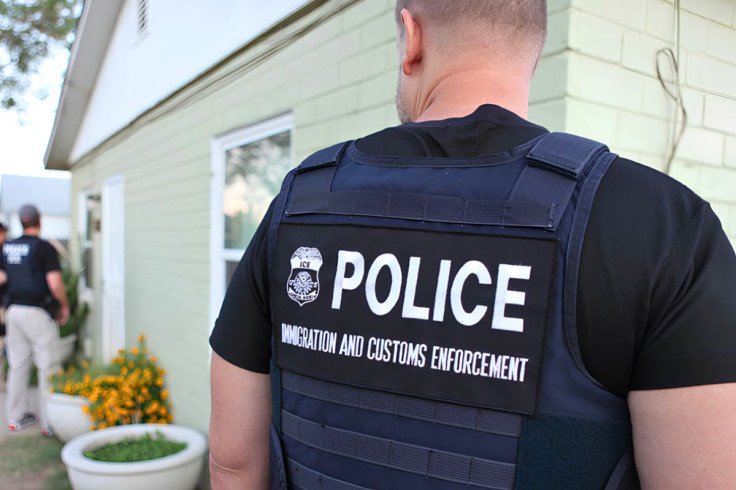
United States immigration authorities collected the DNA of nearly one million migrants in 2025, placing hundreds of young children and undocumented adults into a federal criminal database, newly analysed government records show.
A 2020 policy change removed previous administrative exemptions, turning civil immigration detention into a major source of forensic DNA collection. Internal documents obtained by Georgetown Law's Center on Privacy and Technology show that Immigration and Customs Enforcement, together with Customs and Border Protection, sharply expanded DNA swabbing of people in their custody.
The Expansion of Federal DNA Collection
The scale of the DNA sweep marks a steep increase on historical border enforcement levels. Federal Bureau of Investigation records show that the detainee index within its Combined DNA Index System grew by about 995,000 profiles last year alone.
Georgetown researchers estimate that Immigration and Customs Enforcement accounted for more than 919,000 of those swabs. Immigration agencies are now the single largest source of new entries into a database originally designed to track violent offenders.
If collection continues at the same pace, researchers project that migrants could make up more than a third of the entire federal index by 2030.
Migrants Face Charges for Refusing DNA Swabs
Participation is rarely voluntary. When Hugo Moreno-Mendez attended a routine probation appointment in Waco, Texas, last August, deportation officers arrested him and repeatedly ordered him to open his mouth for a cheek swab.
He refused. Authorities then charged him with a federal misdemeanour for withholding his genetic material, leading to a guilty verdict and a sentence of time served.
This strict approach aligns with internal training materials from 2021, which tell agents that samples must be taken after any arrest, specifically removing exemptions for asylum seekers and refugees.
Children Under 14 Added to Criminal DNA Index
One of the most significant findings concerns the youngest detainees. Although Department of Homeland Security guidelines set the minimum collection age at 14, researchers identified 492 younger children whose DNA was sent to federal laboratories between early 2025 and 2026.
This group included children as young as four, many held at a family detention centre in Dilley, Texas.
The collections have led civil liberties groups to question oversight and the rationale for gathering genetic material from very young children.
United States representatives Joaquin Castro, Greg Stanton and Nanette Barragán issued a joint statement criticising the practice. 'None of the families at Dilley have been convicted of a crime,' the lawmakers noted. 'They do not belong in a database meant for violent criminals, especially children.'
ICE Collected Nearly 1 Million People’s DNA Last Year—Including Young Childrenhttps://t.co/951GsTNZng
— Anonymous (@YourAnonNews) August 3, 2026
Shifting Explanations for Mass DNA Collection
The Department of Homeland Security publicly presents the programme as a standard identification measure essential to border security. Internal communications suggest a different focus.
In a March 2025 email about family units, an attorney in the agency's legal advisory office wrote that the primary purpose of the authority was building a national database for solving crimes.
Stevie Glaberson, research director at Georgetown Law, said the constitution bars the government from forcing people to provide sensitive information based only on speculation that it might help solve future crimes.
This internal legal view conflicts with the agency's stated administrative explanation. People held for civil immigration violations now appear in a system alongside convicted felons, with their DNA profiles available for police searches for decades to come.
The physical samples remain stored in government laboratories indefinitely, awaiting potential matches.
© Copyright IBTimes 2026. All rights reserved.
- Recommended For You