

Doctors Sound Alarm as Popular Weight Loss Drugs Wegovy and Mounjaro Are Linked to Sudden Hair Loss
A new study reveals that revolutionary GLP-1 treatments like Wegovy, Ozempic, and Mounjaro carry an increased risk of alopecia, sparking urgent reviews among health regulators in the UK and US.
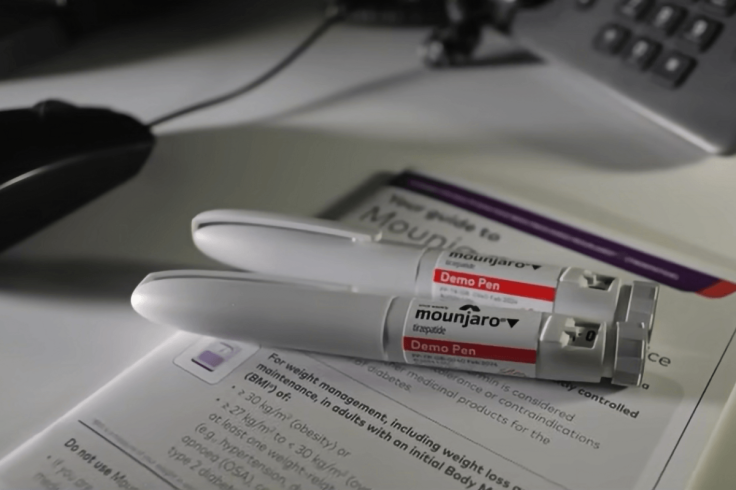
Medical researchers have sounded fresh alarms regarding popular weight-loss and diabetes medications, revealing a tangible link between GLP-1 receptor agonists like Wegovy, Ozempic, and Mounjaro and an increased risk of sudden hair loss.
A landmark study analysing electronic patient data from roughly 50,000 adults at the University of Pennsylvania Health System has strengthened long-standing safety signals monitored by regulators in both the United Kingdom and the United States.
While these blockbuster treatments continue to transform global obesity and diabetes management, health professionals are urging patients and clinicians to monitor for non-scarring alopecia, a distressing condition where rapid physical transformation triggers unexpected hair shedding.
New 2026 Data: GLP-1s and Hair Shedding
— Glenn Ellis, MPH (@glennhealth) July 23, 2026
Taking Ozempic, Wegovy, or Mounjaro? Recent studies in The BMJ and JAAD International confirm a link to hair loss, but experts emphasize it is typically temporary.
The Facts:
- Increased Risk: Users are 37% to 76% more likely to… pic.twitter.com/1PSeEKXdld
The Numbers Behind the Warning
Researchers at the University analysed data from adults with Type 2 diabetes taking GLP-1 receptor agonists. They compared them with patients using other diabetes medications, adjusting for factors including age and weight.
The results were striking. GLP-1 use was associated with a 37% higher risk of alopecia compared with SGLT-2 inhibitors, and a 68% higher risk compared with DPP-4 inhibitors.
The findings do not prove that Wegovy or Mounjaro directly caused hair loss in every patient. The study also focused on people with Type 2 diabetes, meaning its results may not perfectly represent everyone taking these drugs specifically for weight loss.
Still, the size of the study adds weight to concerns that have already emerged through safety reports.
Could Rapid Weight Loss Be Starving Your Hair?
The researchers' explanation is where the story gets particularly interesting.
They said the 'most likely mechanism' could involve weight loss and reduced caloric intake. Rapid weight loss can place physiological stress on the body, while eating substantially less may also reduce the intake of nutrients needed for healthy hair growth.
The researchers specifically pointed to possible deficiencies in iron, zinc and biotin.
The potential chain reaction is straightforward. A person takes a GLP-1 drug, their appetite falls, they eat fewer calories and lose weight quickly. If their diet also becomes deficient in key micronutrients, those changes could disrupt the normal hair growth cycle.
That does not mean Wegovy or Mounjaro literally 'starve' hair follicles. Rather, researchers are investigating whether rapid weight loss and reduced food intake could indirectly contribute to hair shedding.
They stressed that more research is needed to determine exactly how these factors interact.
Weight loss drugs like Mounjaro and Wegovy ‘linked to hair loss’, researchers sayhttps://t.co/HxIwdOmJUs pic.twitter.com/IM5jGL50v3
— ITV News Central (@ITVCentral) July 23, 2026
Wegovy and Mounjaro Reports Under Scrutiny
The new study comes as regulators continue receiving reports of hair loss involving GLP-1 medications.
The US Food and Drug Administration has indicated that it is evaluating the potential safety signal. Researchers also cited case reports and analyses of the FDA's Adverse Event Reporting System, particularly involving semaglutide, the active ingredient in Wegovy and Ozempic, and tirzepatide, the active ingredient in Mounjaro.
In the UK, the Medicines and Healthcare products Regulatory Agency, or MHRA, received 399 reports of hair loss associated with tirzepatide in 2026 so far, following 541 reports the previous year.
It also received 148 reports involving semaglutide, compared with 164 the year before.
These figures do not prove that the drugs caused every reported case. Adverse-event reports are signals for regulators to investigate, and hair loss can have many possible causes.
However, the combination of growing reports and new research is likely to keep the issue under scrutiny.
The Hair May Grow Back
There is one potentially reassuring detail.
The study suggested the association was linked to non-scarring alopecia, meaning the hair follicles remain intact rather than being permanently destroyed. Hair therefore has the potential to regrow.
That distinction matters. Researchers warned that hair loss can have significant psychosocial consequences, affecting self-esteem, quality of life and even a person's willingness to continue treatment.
For people taking medication to change their appearance, suddenly seeing more hair in the shower or on a hairbrush can be deeply distressing, even if the condition is ultimately temporary.
The Bigger Question for GLP-1 Users
The popularity of Wegovy, Mounjaro and similar drugs has surged, making questions about weight loss drugs and hair loss increasingly relevant.
The latest evidence does not provide a simple answer. Possible explanations include rapid weight loss, reduced calorie intake, iron, zinc and biotin deficiencies, as well as metabolic, hormonal and immunological effects associated with GLP-1 receptor agonists.
For now, the most striking twist is also the most uncomfortable. People are turning to powerful weight-loss drugs to change how they look and feel, while researchers are investigating whether the rapid transformation some users experience could bring another highly visible change: hair loss.
The question is no longer simply whether Wegovy and Mounjaro are linked to hair loss. It is whether the speed of weight loss, and what happens to nutrition along the way, could be part of the answer.
Experts recommend proactive nutritional counselling, balanced micronutrient intake, and open communication with physicians to navigate these risks safely.
© Copyright IBTimes 2026. All rights reserved.