Prince Harry, Meghan Markle Insiders Break Silence on 'Challenging' Finances as Royal Family Faces Shock Crown Estate Audit
As Parliament pores over the Crown's balance sheet, the Sussexes are betting that paying their own way will count for more than any lingering resentment over Frogmore.
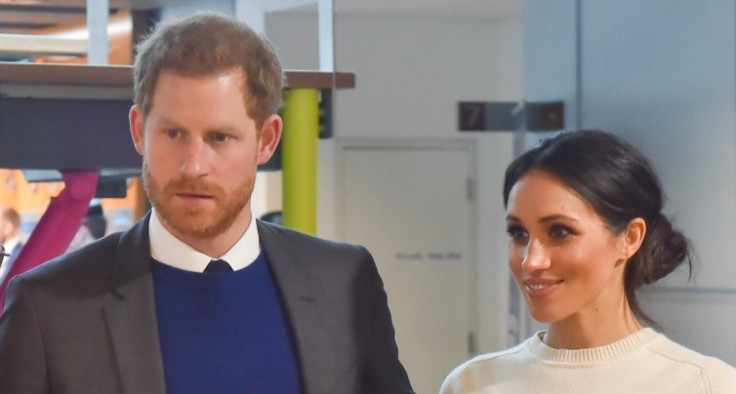
Prince Harry and Meghan Markle's finances are now 'undoubtedly more challenging' since they left royal life in the UK and moved to North America in 2020, according to a source close to the couple, as the Royal Family faces an unprecedented Public Accounts Committee audit of the Crown Estate this summer.
The scrutiny over money is not new for the Sussexes. Their decision to step back as working royals four years ago triggered fierce criticism over public spending, especially the £2.4 million of taxpayer money used to refurbish their former Windsor home, Frogmore Cottage.
Life After The Sovereign Grant
The latest comments, reported by the Mirror and attributed to insiders, offer a more detailed picture of what financial independence has meant in practice for Prince Harry and Meghan Markle.
'In some respects, it is undoubtedly more challenging,' one source said, reflecting on the period since the couple stopped being working members of the Firm. They no longer receive a Sovereign Grant, the public funding that supports official royal duties, and they no longer have access to grace and favour residences maintained at public expense, either rent free or at heavily subsidised rates.
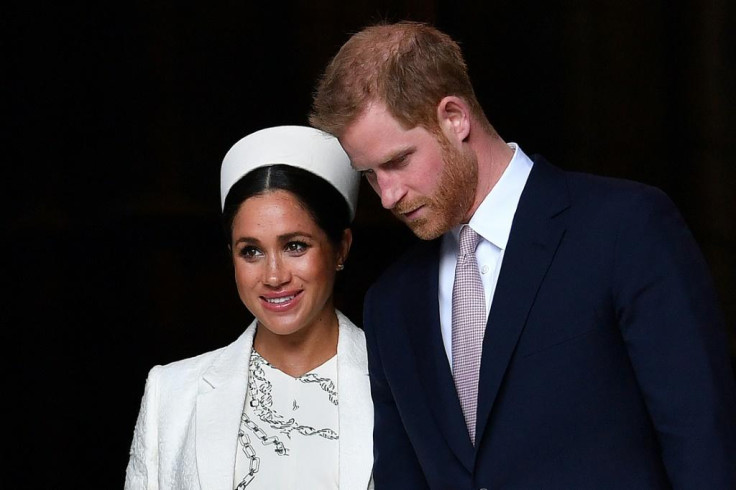
Instead, the insider said, they have chosen an independent life that is entirely self funded. 'What they do have is an independent and entirely self funded life, one that nobody else has to pay for and nobody else needs to worry about funding, unlike the Royal Family,' the source said.
That contrast has taken on added significance as the rest of the working royals prepare to face parliamentary scrutiny. The same source argued that such examination is appropriate. 'Is it right that working members of the Royal Family should have their finances scrutinised? Absolutely. They should be treated the same as any other public institution or body,' the insider said.
At a time when questions about privilege and public money remain politically charged, allies of Harry and Meghan are keen to emphasise that, whatever private deals they may have, the couple are no longer funded by the state.
The Frogmore Row
The Frogmore Cottage dispute remains the clearest symbol of the couple's departure from royal life. When Harry and Meghan stepped down in 2020, one of the most contentious details was the revelation that £2.4 million from the Sovereign Grant had been spent refurbishing the property for them, only for them to leave the country soon afterwards.
After criticism intensified, the couple repaid the full £2.4 million and also paid market rent for Frogmore. In 2023, a Palace spokesperson said they had 'fulfilled their financial obligations in relation to the property.' That statement was meant to draw a line under the matter, although it did not end the debate.
Now, sources close to the Sussexes are seeking to challenge parts of that narrative. Speaking again to the Mirror, insiders claimed the repayment was always part of the plan and was not the result of public pressure.
'Harry and Meghan always believed that repaying the money for Frogmore was the right thing to do,' one insider said. 'Many people have suggested they had to be pressured into it, but the reality is that they had already factored repayment into their plans when they decided to step away from the institution.'
That claim cannot be independently verified. No public documents have been released to confirm when repayment was first discussed, and the Palace has not offered a detailed account of any private negotiations. Beyond the basic facts already on record, the timing remains unclear.
Frogmore's Uncertain Future
What is clear is that the couple no longer have a Windsor base. Since they left, Frogmore Cottage has largely stood empty. Reports this week suggest the property could be divided into separate units again, returning it to the multi occupancy layout it had before its expensive refurbishment for Harry and Meghan.
Frogmore Cottage renovations will reverse the property to its former state by creating several homes https://t.co/UMx7j5PWKn pic.twitter.com/nsQJNpuREQ
— Codey369 (@Codeym369) May 30, 2026
The situation has also been complicated by Prince Andrew, who is understood to have resisted suggestions that he move from the larger Royal Lodge to the smaller cottage. That leaves Frogmore in limbo, an expensively renovated property without a clear occupant and with an awkward political legacy.
Against that backdrop, the Public Accounts Committee is preparing to examine how Crown Estate properties are managed and why some major holdings have been rented out at below market rates. The audit is not aimed solely at the monarch or individual royals, but it will inevitably place the wider royal finances under renewed pressure.
For Harry and Meghan, watching from California, there is a certain symmetry in that. They have long been accused of profiting from their royal connection while avoiding accountability. Their supporters are now trying to turn that argument around, stressing that whatever else may be said about them, their current lifestyle is paid for in Montecito, not by the British taxpayer.
How convincing that line of defence is will depend on how readers view royal reinvention. What is beyond dispute is that the financial relationship between the Windsors and the public is once again being examined in detail, while one branch of the family insists it has already walked away from the ledger.
© Copyright IBTimes 2026. All rights reserved.
- Recommended For You