

Saucy Santana Calls Out 'Gay Baiters' in Rap, Naming Moneybagg Yo While Discussing the Use of LGBTQ+ Slang
The rapper criticised the use of LGBTQ+ associated fashion and slang in mainstream rap, while stressing the importance of cultural recognition
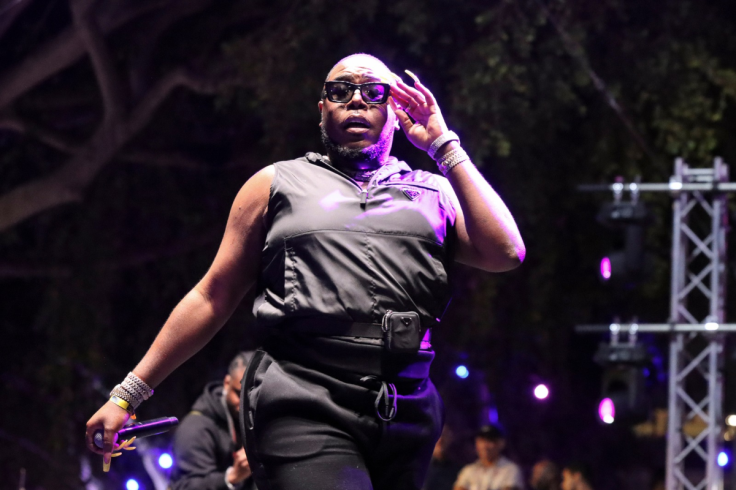
Saucy Santana called out 'gay baiters' in the American rap industry during a livestream on Wednesday, 25 November 2026.
The rapper specifically mentioned Moneybagg Yo while discussing the growing influence of Black LGBTQ+ culture on mainstream hip-hop. Santana appeared alongside streamer and media personality Jordyn Lucas, where their conversation turned towards changing attitudes surrounding masculinity, fashion and language in rap.
The 33-year-old expressed frustration over how cultural expressions previously associated with gay men have increasingly become fashionable among heterosexual rappers. His remarks centred on cultural recognition rather than simply the use of particular words or clothing styles.
Saucy Santana Calls Out 'Gay Baiters' Over Changing Hip-Hop Culture
During the livestream, as reported by Complex, Santana reflected on how perceptions of masculinity had changed since his teenage years.
He recalled how wearing fitted jeans and shorter trousers was once associated with homosexuality. However, similar fashion choices have since become increasingly commonplace among male rappers.
Santana questioned the apparent contradiction between those earlier attitudes and the contemporary acceptance of similar styles.
For the rapper, the discussion was not necessarily about restricting what other artists could wear. Instead, his remarks suggested frustration over the lack of recognition afforded to communities associated with those cultural expressions.
There is also a distinction between embracing cultural influences and deliberately exploiting them for attention. Santana's criticism reflected his personal interpretation of where that distinction lies within hip-hop.
Saucy Santana Names Moneybagg Yo While Discussing LGBTQ+ Slang
Santana identified Memphis rapper Moneybagg Yo while discussing the use of expressions such as 'tea,' a term associated with sharing gossip or revealing information.
He suggested that some expressions reach heterosexual rappers indirectly through their social circles, including through women with gay friends.
'Y'all n***as sound like us,' Santana remarked.
His comments highlighted questions surrounding cultural ownership and recognition. Language frequently crosses community boundaries, but Santana appeared particularly concerned about whether its cultural origins receive sufficient acknowledgement.
The remarks do not establish that Moneybagg Yo deliberately exploited LGBTQ+ culture or intended to misrepresent his identity.
Moneybagg Yo's response to Santana's latest comments was not included in the original report. Consequently, the rapper's perspective on the criticism remains unclear.
Saucy Santana's Personal Experiences Inform His Criticism of Rap Culture
Santana has previously spoken publicly about the difficulties surrounding his sexuality and acceptance within his family.
During a June 2026 appearance on Cam Newton's Funky Fridays podcast, the rapper discussed his experiences of coming out as gay at 17.
He recalled disagreements with his mother following his disclosure, illustrating how acceptance had not always come easily.
That personal history provides context for Santana's latest remarks about cultural recognition.
His criticism touches on the difference between adopting expressions associated with LGBTQ+ communities and experiencing the challenges faced by their members.
Similar accusations have previously surfaced elsewhere in hip-hop. Fellow rapper NLE Choppa has faced allegations of 'gay baiting' over his public image and lyrical content.
However, NLE Choppa previously rejected that characterisation, maintaining that expressing confidence in his physical appearance should not be interpreted as deliberately appealing to gay audiences.
His response offers a contrasting perspective to Santana's criticism, particularly regarding whether fashion, physical expression or language should be associated with assumptions about an artist's intentions or sexuality.
© Copyright IBTimes 2026. All rights reserved.