

Sharing Alleged Arron Villaflor, Ron Angeles, Nikko Natividad, Gil Cuerva Private Videos Violates Law and Invites Prosecution
Viral claims about 'private videos' highlight why sharing intimate clips without consent can trigger prosecution.
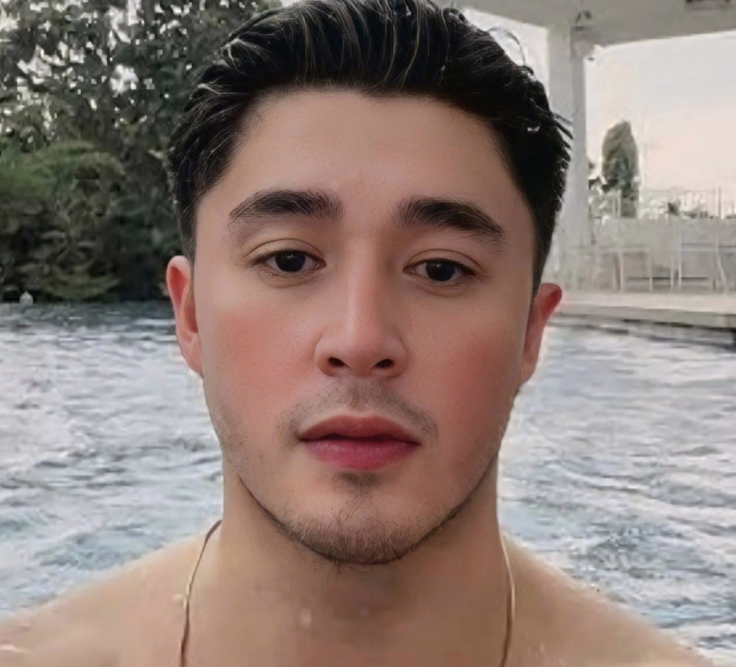
The grainy screenshots began circulating in private group chats before spilling out into public timelines. A torso here, a blurred face there, a familiar jawline tagged with a famous name. Within hours, four Filipino actors; Gil Cuerva, Arron Villaflor, Nikko Natividad and Ron Angeles found themselves at the centre of yet another social media 'leak,' the kind of scandal that now unfolds with brutal speed and almost no proof.
What we know, in plain terms, is this; alleged 'private videos' linked online to Filipino actors Arron Villaflor, Ron Angeles, Nikko Natividad, and Gil Cuerva were reported to have circulated across social platforms, with users debating whether the clips were authentic or even involved the men at all. Villaflor has pushed back publicly, calling it a smear campaign and insisting the material people showed him was drawn from his Vivamax projects. And whatever the gossip economy wants to pretend, the Philippines has a law that speaks directly to the act of sharing sexual images without consent - Republic Act No. 9995.
The Private Videos Rumor Machine, Up Close
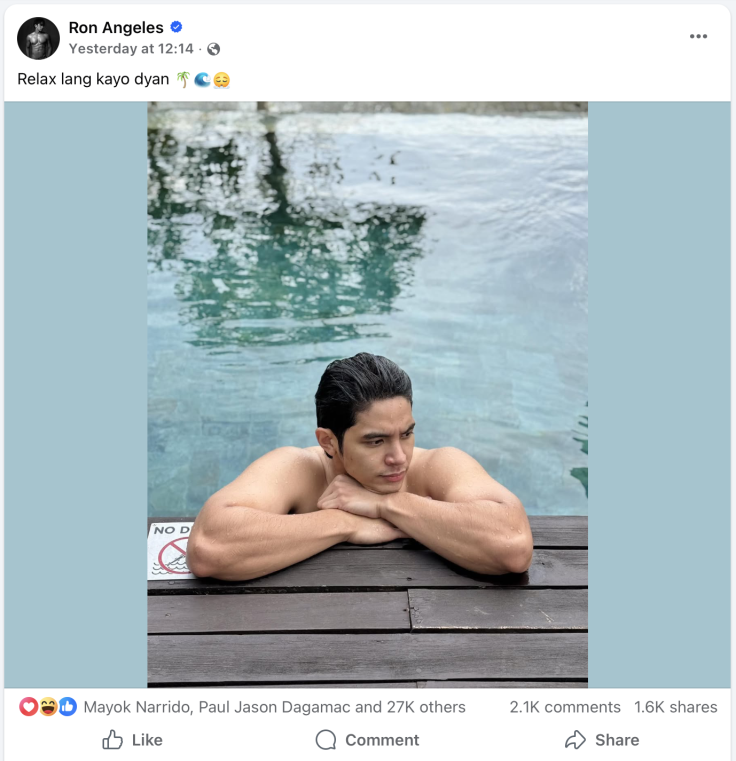
Manila Bulletin reported that chatter around the alleged clips intensified after claims they were being sold online, though many links appeared to be removed as quickly as they were posted. In that same reporting, Angeles offered what reads like a shrug posted to an audience baying for blood, captioning a Facebook photo: 'Relax lang kayo dyan.'
Villaflor, meanwhile, was anything but relaxed. He urged netizens to show him proof, then said what surfaced was merely footage from his Vivamax work. 'Sabi ko, 'Go! Ipakita ninyo sa akin. E lahat ng ipinakita nila, from my Vivamax projects. Ay naku, napakarami po ng smear campaign. It's part of the political industry, so depende sa inyo on how you're gonna react.' The site also noted the central uncertainty at the heart of the entire frenzy; whether the people in the videos were actually the actors, or lookalikes riding the algorithm.
⛔Watch Filipino Actor Aaron Villaflor, Ron Angeles, Nikko Natividad, and Gil Cuerva scandal video
— Rosa (@rosacadenas_) March 1, 2026
Ang mga video nina Ron Angeles, Nikko Natividad, at Aaron Villaflor umuugong.
👇☄️https://t.co/MCXphzDjlY pic.twitter.com/Bj5EzNJFyH
The less verifiable the material, the more some people seem to enjoy passing it around, as if uncertainty were a get-out-of-jail-free card. It isn't. And even when the clips are fake, the impulse; to hunt, to share, to humiliate lands in the same place.
What The Law Says About Private Videos
Republic Act No. 9995 known as the Anti-Photo and Video Voyeurism Act of 2009 defines 'photo or video voyeurism' broadly, covering not only recording sexual activity or private body areas without consent, but also the selling, copying, reproducing, broadcasting, or sharing of such material without the written consent of the person involved.
Crucially, the law doesn't let distributors hide behind the excuse that someone once agreed to be filmed. Section 4 explicitly applies the prohibition on copying, selling, and publishing 'notwithstanding that consent to record or take photo or video coverage of the same was given.' In other words, consenting to a recording is not consenting to your intimate life becoming public property.

The penalties are not theoretical. Under Section 5, a person found guilty of violating the prohibited acts can face imprisonment of three to seven years and a fine ranging from 100,000 to 500,000 Philippine pesos, or both, at the court's discretion. The statute even spells out added consequences when the violator is a company where licenses can be revoked or a foreign national deportation after serving sentence, underscoring that lawmakers anticipated a media ecosystem bigger than any single device or platform.
And that's the part the 'group chat' crowd forgets; the law isn't only aimed at whoever first posts the clip. It's aimed at the entire chain of casual forwarding that turns an alleged private moment into a public sport.
© Copyright IBTimes 2026. All rights reserved.