

'Corporate Greed': Gamers Livid as PlayStation Ends Physical Game Discs in 2028
Sony's decision to stop producing physical game discs by 2028 angers PlayStation fans, raising concerns over ownership and pricing.
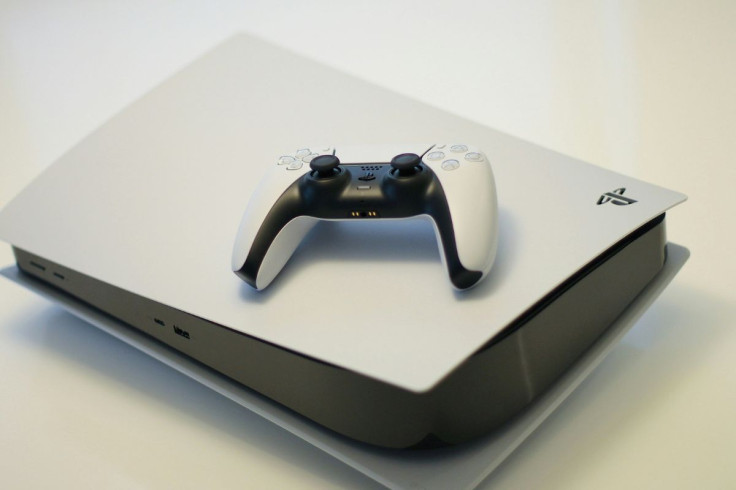
Sony has sparked outrage among PlayStation fans after announcing that it will stop producing physical game discs for all new releases from January 2028, pushing the console brand into an all-digital future.
The company said new PlayStation games released after the cut-off date will be sold in digital formats only, either through the PlayStation Store or participating retailers.
Games already released on disc, or scheduled to arrive physically before January 2028, will not be affected. Sony said the decision reflects changing player habits, arguing that most of its community now prefers digital access over physical media.
'This is a natural direction for Sony Interactive Entertainment to adapt to consumer trends,' the company said, adding that digital media now 'significantly outpaces physical discs.'
Why Gamers Are Angry
The announcement quickly triggered anger across social media, where many players accused Sony of weakening consumer ownership and making games more dependent on digital storefronts.
Then stop selling digital games for the same price as physical ones too. You're removing the printing, box, and shipping prices from the equation completely so I shouldn't be paying $70 for digital games anymore.
— Seal Examines Games (@TheTrueSealYT) July 1, 2026
One reply to PlayStation's post, which had more than 170,000 likes, criticised the pricing of digital games.
'Then stop selling digital games for the same price as physical ones too,' the user wrote. 'You're removing the printing, box, and shipping prices from the equation completely so I shouldn't be paying $70 for digital games anymore.'
Another user argued the move would damage preservation and discovery, writing: 'You are killing ownership. You are killing legal preservation. You are killing discoverability.'
You are killing ownership. You are killing legal preservation. You are killing discoverability. You are killing publishers. You are killing developers. This is a move that might slightly improve bottom lines, but tear down every other aspect of this medium. Well done! You f*d up!
— Does it play? (@DoesItPlay1) July 1, 2026
For collectors, the announcement felt like the end of a culture built around shelves, box art, trade-ins and second-hand games.
PlayStation Nostalgia, an account dedicated to Sony's older gaming era, summed up the mood bluntly: 'I have no words, final nail in the coffin of the company I once loved.'
I have no words, final nail in the coffin of the company I once loved
— PlayStation Nostalgia (@PlayStalgiaX) July 1, 2026
Digital Sales Are Already Dominating
Sony's decision did not come out of nowhere. According to the company's financial results for the fourth quarter of fiscal year 2025, digital downloads accounted for 85% of full-game software sales across PS4 and PS5. Physical copies made up just 15%.
That gap helps explain why Sony is shifting resources away from discs. Fewer players are buying physical games, while digital storefronts allow companies to control pricing, distribution and updates more directly.
But that is exactly what worries fans. Without physical discs, players lose the ability to easily resell, lend or preserve their games. If a digital store closes or a licence changes, access can become uncertain.
Retailers and Older Stores Take Another Hit
The move also lands at a difficult time for traditional gaming retailers.
Stores that once relied on boxed games have already been shrinking as more players buy online. GameStop has reportedly closed more than 1,300 stores over the past two fiscal years.
The announcement also comes as Sony prepares to shut down PlayStation Store access on PS3 and PlayStation Vita in select markets, followed by wider closures later. Previously purchased content is expected to remain available for download, but players will no longer be able to buy new digital items on those systems once the stores close.
Even Domino's Joined the Mockery
The backlash soon moved beyond gaming circles, with fast food brands joining in to ridicule Sony's all-digital shift.
KFC Spain and Domino's UK both posted jokes on X, pretending they would also abandon physical products in favour of digital-only menus.
BREAKING NEWS pic.twitter.com/i28QZd7Z2g
— Domino's Pizza UK (@Dominos_UK) July 2, 2026
Domino's UK mocked the announcement by claiming it would 'cease production of physical pizzas and shift to production of digital pizzas only.'
The pizza chain then continued the joke in the replies, saying its familiar catchphrase would be changed to: 'Domin-oh-hoo-whose-dumb-idea-was-this?'
For frustrated PlayStation fans, the jokes captured the absurdity of the decision. Sony may see the move as a response to changing consumer habits, but many players see it as another step towards higher prices, weaker ownership and less control over the games they buy.
© Copyright IBTimes 2026. All rights reserved.