AI Grocery Carts With Cameras Track Every Move Shoppers Make While Cashier Jobs Vanish Across America
Exploring the impact of AI grocery carts on shopping convenience, privacy, and employment
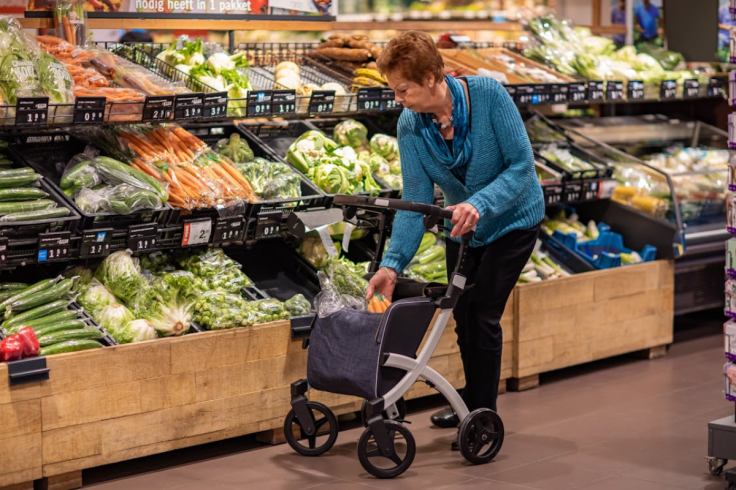
AI grocery carts are no longer a futuristic concept. They are already appearing in supermarkets across the United States, and their arrival is sparking a fierce debate about privacy, automation and the future of human workers.
Equipped with cameras, scanners and digital screens, these high-tech trolleys promise faster shopping and shorter queues. Yet critics warn that shoppers may be trading convenience for constant surveillance while thousands of cashier jobs face an uncertain future.
Smart Carts Are Changing The Way People Shop
The new generation of AI grocery carts is designed to streamline the shopping experience from start to finish. Instead of pushing a traditional trolley and waiting at a checkout, shoppers can place items directly into the cart while built-in cameras, scanners and weighing systems automatically identify products and calculate the running total.
Several major supermarket chains have already begun introducing the technology. The carts often include digital screens displaying offers, discounts and personalised recommendations throughout a shopping trip.
Supporters say the technology saves time and removes the frustration of long checkout queues. Some shoppers who have tested the carts described the experience as surprisingly simple, with totals updating instantly and purchases ready for payment before they even reach the exit.
Privacy Concerns Over Cameras And Data Collection
Despite the convenience, the technology has triggered growing concern online. Videos discussing the carts have attracted millions of views, with many users focusing on the number of cameras built into the devices.
Critics argue that the carts are capable of tracking far more than groceries. Depending on the system, they can monitor shopping habits, product preferences and movements throughout the store. Some fear that retailers could build increasingly detailed profiles of customers based on their behaviour.
Questions have also emerged regarding how long information is stored, who can access it and whether shoppers fully understand the extent of the data being collected.
Much of the online discussion has centred on broader fears that consumers are being watched almost everywhere they go, from vehicles and smartphones to security cameras and now shopping trolleys. While many of these claims remain speculative, they have fuelled concerns that supermarkets are becoming highly monitored environments.
Cashier Jobs Face An Uncertain Future
Traditional supermarkets have already undergone major changes during the past decade through self-checkout stations and digital payment systems. AI carts represent another step in that evolution by reducing the need for staffed tills and, potentially, some checkout employees.
Many shoppers have expressed sadness at the prospect of losing face-to-face interaction during routine errands. For some customers, a quick conversation with a cashier remains an important part of the shopping experience.
Critics argue that supermarkets are prioritising labour savings over community connections. They fear stores could become increasingly automated spaces where human interaction is treated as unnecessary.
Others take a different view, suggesting workers may simply shift into new roles focused on customer service, stock management and technical support rather than traditional checkout duties.
Regardless of which outcome emerges, few dispute that artificial intelligence is beginning to reshape the retail workforce.
Why Many Shoppers Remain Divided
Some shoppers see AI carts as an exciting glimpse into the future. Demonstrations have shown customers scanning items effortlessly, receiving instant discounts and completing purchases with minimal delays.
Others remain deeply uncomfortable. They worry about surveillance, data collection and the possibility that technology could eventually make supermarkets feel impersonal.
The reality likely sits somewhere between those two extremes. AI grocery carts offer genuine convenience, but they also raise legitimate questions about transparency, privacy and employment.
© Copyright IBTimes 2026. All rights reserved.
- Recommended For You