Forget Retirement at 65. Why More People Are Taking 'Micro-Retirements' in Their 30s and 40s
Exploring the growing trend of micro-retirement and its impact on work-life balance

For decades, retirement was viewed as a reward earned after a lifetime of work.
Now, a growing number of people are questioning that idea by taking what has become known as a 'micro-retirement', an extended break from work taken years, or even decades, before traditional retirement age.
Often described as an 'adult gap year', micro-retirement allows workers to step away from their careers for several months or longer before returning to employment. While some use the time to travel, others focus on volunteering, recovering from burnout or reassessing what they want from their careers.
The trend has gained momentum on TikTok, where creators are encouraging others to rethink the traditional career path.
Why Is Micro-Retirement Becoming Popular?
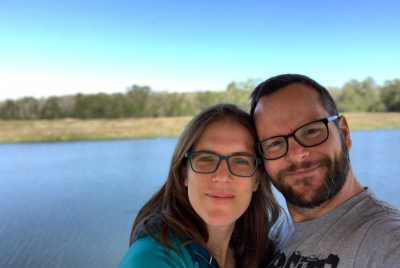
TikTok creator Mary Holland Nader is among those championing the idea.
In a viral video, she described micro-retirement as an opportunity to 'pause and figure out what you are actually passionate about', while stressing that anyone considering it should build up savings and have a clear financial plan before leaving work.
Other creators have shared different motivations.
TikTok user LifeAsKiki said she stepped away from work after feeling completely exhausted.
'The only thing I wanted to do really was rest,' she explained, later revealing plans to take another extended career break in 2027.
The growing popularity of micro-retirement reflects a wider shift in attitudes towards work, particularly among younger generations who are increasingly questioning whether travel, rest and personal fulfilment should be postponed until later life.
Who Can Actually Afford It?
Despite its popularity on social media, experts warn that micro-retirement is not a realistic option for everyone.
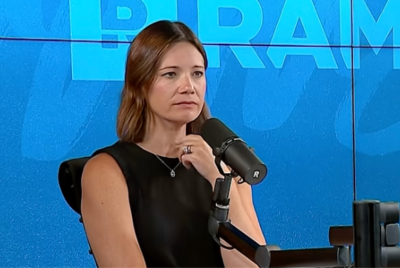
Abigail Marks, Professor of the Future of Work at Newcastle University Business School, says discussions around the trend often ignore who can genuinely afford to step away from work.
'Micro-retirement is realistically available only to workers who have sufficient savings to fund a career break... and work in sectors where a gap on the CV does not permanently disadvantage them,' she said. 'That describes a fairly narrow slice of the workforce.'
There are also longer-term financial consequences to consider.
Jonathan Cribb, Associate Director at the Institute for Fiscal Studies, said taking repeated career breaks can reduce both lifetime earnings and pension savings.
'The more breaks you take, the less time you have working and saving in a pension,' he explained.
He added that extended periods outside the workforce can also slow career progression and make it harder to develop valuable skills, ultimately affecting future earning potential.
A Cure for Burnout or a Temporary Escape?
While stepping away from work may offer relief, experts say it does not necessarily solve the underlying causes of workplace stress.
Sir Cary Cooper, Professor of Organisational Psychology at Alliance Manchester Business School, believes micro-retirement may be particularly attractive to workers who have spent years under intense pressure.
'They're the ones who've just been dumped on, overloaded, badly managed, no recognition, no concern really for their health and wellbeing,' he said.
However, he warned that career breaks should not become a substitute for addressing poor workplace culture.
'It's not a long-term solution if the problem is this person is burned out,' he said.
Instead, Cooper argues employers should focus on tackling excessive workloads, poor management and inadequate wellbeing support before employees reach breaking point.
'I just worry about organisations not drilling behind why people are doing it,' he said. 'If you drill below, you'll find out why they're overloaded and burned out. But you need to do that. Unfortunately, I don't think many do.'
A Different View of Work
Micro-retirement is part of a broader rethink of the traditional career path.
A recent Santander survey found that three-quarters of Generation Z workers do not expect to remain in a traditional nine-to-five job throughout their careers, while 39 per cent believe all they need to start a business is a smartphone.
The findings suggest younger workers are becoming more open to flexible careers that include periods away from full-time employment rather than decades of uninterrupted work followed by retirement.
Whether micro-retirement becomes a lasting workplace shift or remains a niche trend, it reflects changing attitudes towards success, wellbeing and work-life balance. For many, the question is no longer whether they can afford to wait until retirement to enjoy life, but whether they want to.
© Copyright IBTimes 2025. All rights reserved.
- Recommended For You