

Trump Administration Scrambles to Downplay Green Card Policy Forcing Applicants to Leave the US
DHS attempts to clarify its controversial green card guidance amid widespread criticism.
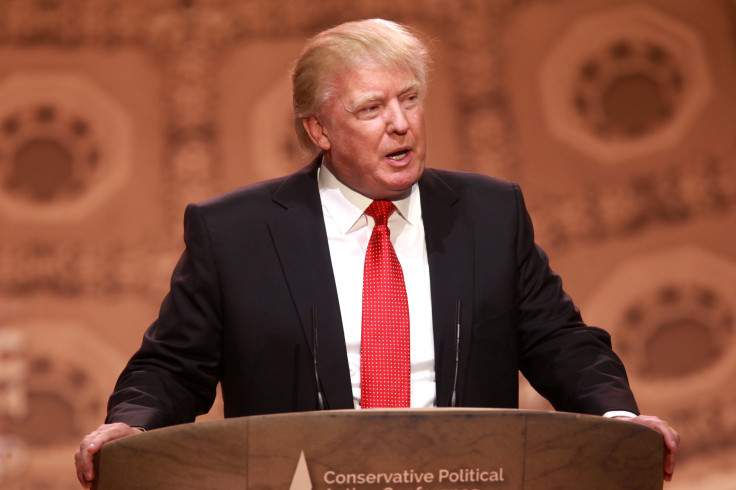
Donald Trump's administration moved on Saturday to play down the impact of a controversial green card rule in the United States, after days of criticism from immigrants, businesses and lawyers who warned it could force hundreds of thousands of applicants to leave the country mid‑process. The Department of Homeland Security (DHS) insisted the policy change at US Citizenship and Immigration Services (USCIS) was merely a restatement of existing law, not a sweeping new crackdown.
The alarm began last week when USCIS quietly issued fresh guidance on how people already in the US can obtain permanent residency. The agency's memo appeared to sharply curtail the long‑standing 'adjustment of status' route, which lets many immigrants sponsored by American employers or relatives complete the transition to a green card without leaving US soil.
At the time, a USCIS spokesperson said that anyone 'who is in the US temporarily and wants a Green Card must return to their home country to apply, except in extraordinary circumstances,' a line that sent shockwaves through legal immigration circles.
The fear was straightforward enough. If people had to depart the US and apply at consulates abroad, those from countries facing Trump's broad travel and entry restrictions risked being stranded outside, separated from families, jobs and lives they had already built. Immigration lawyers began warning clients to brace for worst‑case scenarios, while business groups fretted about losing skilled workers with pending cases.
Over the weekend, DHS appeared to realise it had a political and practical firestorm on its hands and tried to recalibrate. In a statement to CBS News, the department argued the much‑discussed memo simply reflected 'longstanding law and policy,' rather than introducing a new barrier. It insisted the 'policy will not prevent any alien from obtaining a green card who legitimately and properly qualify.'
The language was noticeably softer than the earlier USCIS line. DHS said the guidance would mainly mean that 'some aliens who do not merit the discretionary benefit' of adjusting status inside the US would instead need to apply abroad with the State Department. Those who are deemed strong candidates, in Washington's eyes, should barely notice a difference.
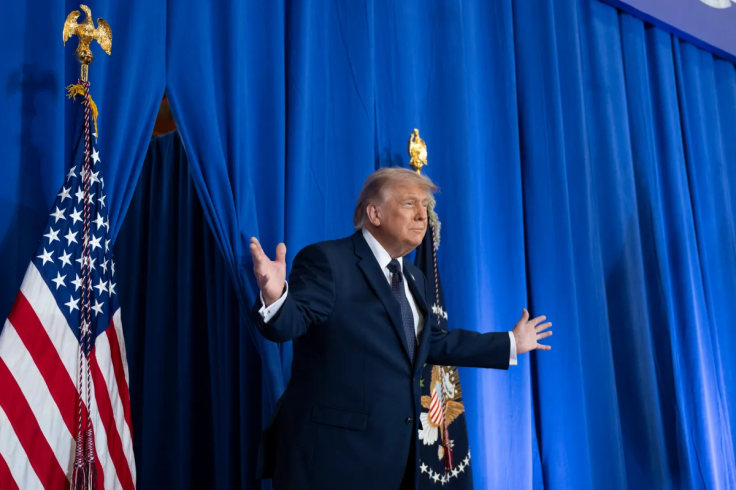
'This policy will have no noticeable impact on highly qualified applicants and skilled professionals who have followed the law,' DHS said. 'These aliens benefit the national interest and provide economic benefits to the United States and will continue to merit the favorable exercise of discretion.'
The phrasing is telling. It suggests a hierarchy within legal immigration, with a premium placed on those viewed as 'highly qualified' and 'skilled,' and a quieter tightening for everyone else. Officials did not spell out who exactly falls outside that favoured bracket or how officers are meant to distinguish between those who 'merit' the benefit and those who do not.
Trump administration appears to downplay impact of green card policy changes https://t.co/PRYKsavxCa
— CBS News (@CBSNews) May 30, 2026
Green Card Policy Tested Under Trump
Former senior officials say the administration's clean‑up operation is less about retreating and more about reframing. Lynden Melmed, who served as the top lawyer at USCIS under George W. Bush, told CBS News that DHS was now trying to narrow the apparent scope of the green card guidance, making it sound less categorical than the original memo.
According to Melmed, USCIS officers have always had considerable discretion when deciding whether someone can adjust status in the US. They weigh positive factors such as stable employment or strong family ties against negatives like immigration violations. In that sense, the law has not abruptly flipped.
Yet he is blunt about the practical effect. The guidance, he said, is still likely to be 'burdensome' for both applicants and their lawyers. To avoid being told to leave and apply abroad, they will feel pressure to submit thicker files and more evidence to justify why they should be allowed to complete the process without travelling back to their home countries.
That means more time, higher legal costs and greater uncertainty even for people who ultimately qualify. Melmed also flagged a quieter casualty of the administration's mixed messaging — the USCIS officers on the ground who are supposed to enforce it. When the public line appears to change within days, front-line staff are left trying to interpret policy shifts that are political as much as legal.
Confusion, Discretion and Shape of Legal Migration
The episode underlines how, under Trump, immigration rules can feel less like a clear framework and more like a moving target. One week, a memo suggests a sweeping new obligation to leave the country; the next, DHS stresses continuity and insists 'no noticeable impact' on the most prized applicants.
What remains is a quieter but real tightening at the margins. People with complicated histories, weaker ties, or simply less money to marshal reams of supporting documents are the ones most likely to be nudged out of the adjustment of status process and into consular queues overseas, where the administration's own travel bans may be waiting.
Foreigners living legally in the U.S. who want a green card may soon have to leave the country and apply from abroad under a new Trump administration policy that has sparked confusion and concern among immigration lawyers and advocacy groups. pic.twitter.com/6VV7IBy5ng
— The Associated Press (@AP) May 27, 2026
Melmed summed up the double edge of the shift: 'The underlying policy will still slow legal immigration but at least they are toning down the rhetoric.' It is a candid assessment of a government trying to reassure the public without truly loosening its grip.
Nothing in the DHS statement offers hard numbers on how many people may now be redirected abroad, and no detailed impact assessment has been published, so estimates about 'hundreds of thousands' of cases remain unverified and should be treated with caution.
© Copyright IBTimes 2026. All rights reserved.
- Recommended For You


