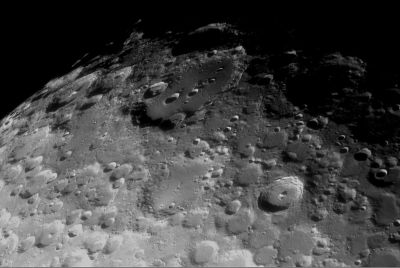
What Is The Blue Full Moon? Meaning, Where To Watch And Is It Really Blue
A unique celestial event combining a Blue Moon and a micromoon offers a once-in-a-generation spectacle
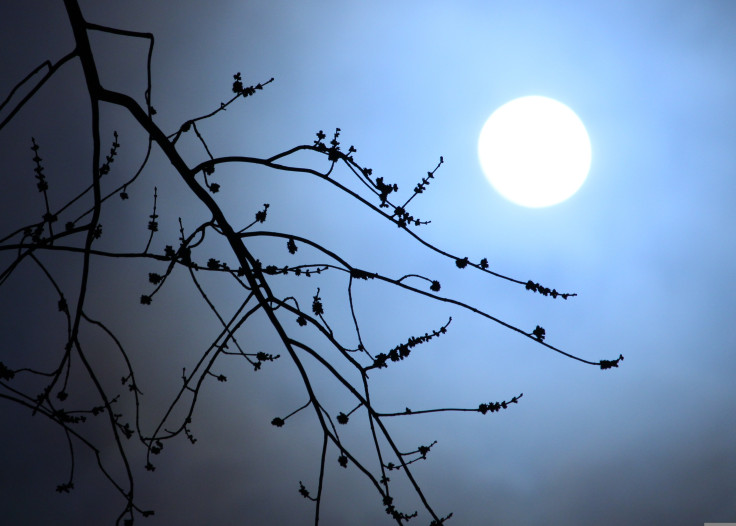
A rare Blue Full Moon is set to grace the night sky, offering sky-gazers an unusual lunar spectacle that will not be seen again in quite the same way for decades.
The celestial event is attracting attention not only because it is a Blue Moon, but also because it coincides with a micromoon — a relatively uncommon combination that makes this year's lunar display particularly noteworthy.
Despite its name, however, the Moon will not actually appear blue. Instead, the event's significance lies in its timing and position in relation to Earth.
What Is A Blue Full Moon?
Contrary to popular belief, a Blue Moon has nothing to do with the Moon changing colour.
In astronomical terms, a Blue Moon occurs when a second full moon appears within a single calendar month. Since the lunar cycle lasts approximately 29.5 days, most months contain only one full moon. On rare occasions, however, the timing aligns in such a way that a second full moon occurs before the month comes to an end.
This is the origin of the well-known phrase 'once in a blue moon', which is often used to describe something that happens very infrequently.
Blue Moons typically occur every two to three years, making them relatively uncommon, though not exceptionally rare.
Why Is This Blue Moon Different?
What makes the May 2026 Blue Moon especially significant is that it is also a micromoon.
A micromoon occurs when the full moon takes place near the Moon's apogee — the point in its orbit furthest from Earth. As a result, the Moon appears slightly smaller and dimmer than an average full moon.
While the difference is subtle and unlikely to be noticeable to casual observers, astronomers say this will be the smallest and most distant full moon of the year, positioned more than 406,000 kilometres from Earth.
The combination of a Blue Moon and a micromoon is particularly unusual. Although each phenomenon occurs separately from time to time, seeing them coincide is considerably rarer.
Experts note that the next Blue Micromoon is not expected until 2053, making this a once-in-a-generation event for many sky-watchers.
What Time Will The Blue Full Moon Be Visible?
The full moon will reach its peak on 31 May, becoming visible shortly after sunset in many parts of the world.
For the best views, observers should look towards the eastern horizon as darkness falls. The Moon will continue rising throughout the evening and remain visible for much of the night, weather permitting.
No specialised equipment is required to enjoy the event. While binoculars or a telescope may reveal additional detail, the Moon will be clearly visible to the naked eye.
Where Is The Best Place To Watch It?
The Blue Full Moon can be seen from virtually anywhere with clear skies and an unobstructed view of the horizon.
For optimal viewing conditions, sky-gazers are advised to seek out locations away from heavy light pollution. Open countryside, coastal areas, parks and elevated viewpoints often provide the clearest views of lunar events.
Checking local weather forecasts beforehand may also help ensure the best possible viewing experience.
Will The Moon Actually Look Blue?
No, the Moon is not expected to appear blue during this event.
The term "Blue Moon" refers solely to the calendar timing of the full moon rather than its colour. In reality, it will retain its familiar silvery-white appearance.
Although genuinely blue-coloured moons have been recorded in history, these occurrences are usually linked to unusual atmospheric conditions, such as volcanic eruptions or large-scale wildfires that alter the way light passes through the atmosphere.
While this year's Blue Moon may not live up to its colourful name, its rare pairing with a micromoon makes it one of the most intriguing lunar events of 2026 and a must-see for astronomy enthusiasts.
Spiritual Meaning Of The Blue Moon
In spiritual traditions, a Blue Moon is often seen as a symbol of transformation, closure and rare opportunities. Because it is the second full moon within a single month, many believe it carries amplified energy, encouraging people to reflect on unfinished goals, release emotional baggage and embrace new beginnings.
The Blue Moon is also associated with heightened intuition, personal growth and self-discovery, making it a popular time for meditation, manifestation and setting intentions. While these beliefs are rooted in spirituality rather than science, many view the rare lunar event as a powerful reminder to pause, reassess their path and focus on what truly matters before moving forward.
© Copyright IBTimes 2026. All rights reserved.
- Recommended For You