Trump Administration Approves Higher Ethanol Fuel: What to Know About E15 Gas Before Your Next Fill-Up
E15, marketed as 'Unleaded 88,' is cheaper but may slightly reduce fuel economy due to its higher ethanol content
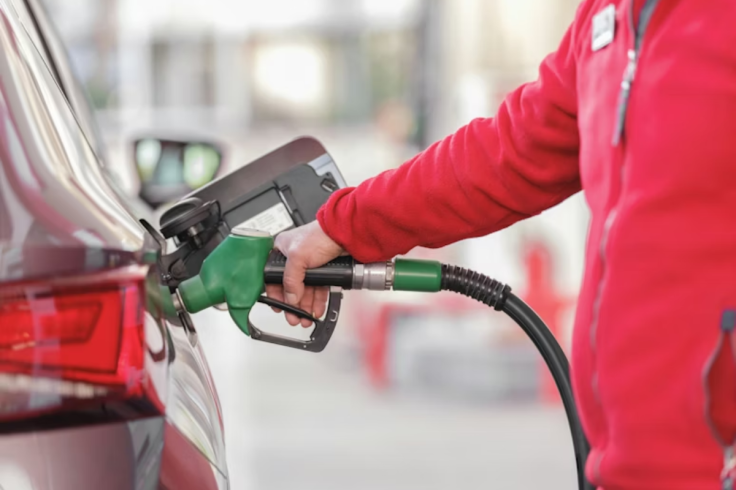
The US Environmental Protection Agency (EPA) has approved a temporary nationwide waiver allowing the sale of E15 fuel, a gasoline blend containing 15% ethanol, in an effort to ease rising fuel prices at the pump.
The move lifts the usual seasonal restrictions that limit E15 availability and is set to run from 1 May to 20 May, with officials indicating the period could be extended if supply pressures continue. The decision comes amid continued volatility in global energy markets and aims to increase fuel supply for American drivers.
E15, which contains more ethanol than the standard E10 blend, is often marketed as 'Unleaded 88' on fuel pumps. The higher ethanol content can make the fuel cheaper, but it also contains less energy per gallon, potentially resulting in a modest decrease in fuel economy. Modern vehicles are generally able to handle E15 without issue, but older cars and small engines may be more vulnerable to damage from ethanol exposure.
What E15 Fuel Means for Vehicles
Most cars manufactured since the early 2000s are compatible with E15 fuel, thanks to updated fuel system materials and engine management systems. Older vehicles, however, may experience issues over time, as ethanol can degrade certain rubber and plastic components.
Ethanol is hygroscopic, meaning it absorbs moisture from the air. This can lead to phase separation if the fuel sits in a tank for too long, causing the ethanol to sink to the bottom while gasoline remains on top.
Small engines such as those in motorcycles, boats, and lawn equipment are particularly sensitive to ethanol and should avoid E15 altogether. While modern engine systems can adjust for ethanol blends, efficiency may decrease under heavy loads or in stop-and-go driving conditions, potentially impacting fuel performance in some situations.
Labeling and Storage Considerations
E15 fuel is not always clearly labelled at service stations. Many pumps advertise the blend by its octane rating rather than ethanol content. Drivers should check vehicle manuals and pump labels to ensure compatibility.
The temporary waiver overrides the typical summer restrictions designed to prevent increased smog formation. As a result, E15 will be available nationwide for a limited period, though drivers should be cautious about storing the fuel for extended periods due to its reduced shelf life.
Economic and Market Implications
The temporary expansion of E15 availability is part of a broader strategy to stabilise fuel prices as the national average gasoline price surpasses $4 per gallon. While ethanol is generally cheaper than conventional gasoline, increasing its production requires more corn, which could tighten supplies for livestock feed and food production, potentially offsetting savings at the pump.
The United States imports less than 10% of its oil from the Middle East, with most crude oil coming from Western Canada. This policy decision reflects an effort to leverage domestic energy sources and ethanol production to manage costs for consumers without increasing reliance on foreign oil.
Drivers considering E15 should weigh the potential savings against the slight reduction in fuel economy and ensure their vehicles are compatible with higher ethanol blends. The EPA has emphasised that the situation remains fluid, and any further adjustments will depend on fuel supply and market conditions.
© Copyright IBTimes 2026. All rights reserved.
- MOST POPULAR IN World