

TSA Allows Medical Marijuana On Flights For The First Time Since 1970 But Forgot To Write The Rules
Local TSA officers haven't been briefed on the change they're supposed to enforce
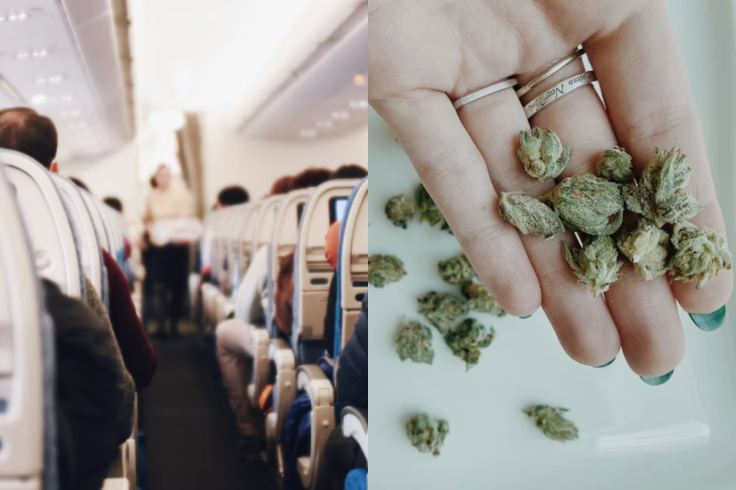
The Transportation Security Administration quietly listed medical marijuana as an allowed item on US flights for the first time since President Richard Nixon signed the Controlled Substances Act in 1970, but it hasn't published a single rule explaining how the policy actually works.
A Green Light With No Instructions
The agency's 'What Can I Bring?' page, last updated on 27 April 2026, now marks medical marijuana as 'Yes' for both carry-on and checked bags, with a link to 'Special Instructions.' The problem is that the link leads nowhere. There are no published guidelines on quantity limits, documentation requirements, or what happens when a passenger lands in a state that doesn't recognise medical cannabis programmes.
The page's language has also changed. A paragraph that previously stated marijuana 'remain[ed] illegal under federal law' has been removed entirely. The agency's boilerplate disclaimer, which once told passengers that officers don't search for 'marijuana or other illegal drugs,' now simply reads 'illegal drugs.'
But one line stayed. The TSA still warns that if officers discover 'any illegal substance or evidence of criminal activity' during screening, they will refer the matter to local law enforcement. That means the federal government is now simultaneously telling passengers they can board a plane with medical marijuana and that officers can still call the police when they find it.
Federal Workers Left in the Dark
The confusion doesn't stop at the website. Mike Gazyagian, president of the union representing New England's TSA workers, told GBH News he had not been informed about the policy change. 'This is the first I am hearing about the policy change,' he said. A Massport spokesperson encouraged passengers to 'check with TSA for guidelines regarding what they can and cannot bring onboard' but offered no detail on how the update would affect security operations at Boston's Logan Airport.
The TSA's own page still notes that 'the final decision rests with the TSA officer on whether an item is allowed through the checkpoint.' For millions of Americans who hold medical marijuana cards across more than 40 states, that means the outcome of carrying a legal prescription through an airport depends on which officer they encounter and what that officer happens to know.
What Triggered the Change
The update followed the Department of Justice's final order on 23 April 2026, which moved state-licensed medical cannabis and FDA-approved cannabis products from Schedule I to Schedule III of the Controlled Substances Act. The reclassification took effect on 28 April. Acting Attorney General Todd Blanche also ordered an expedited DEA administrative hearing, set to begin on 29 June, to consider rescheduling all cannabis, including recreational marijuana, from Schedule I to Schedule III.
The Gap Between Policy and Protection
The DOJ order, however, applies only to cannabis held under a qualifying state medical licence. It does not legalise adult-use marijuana at the federal level, and it doesn't resolve the patchwork of state laws that patients must deal with when they travel. A passenger can legally pack medical marijuana in Colorado and face arrest after landing in a state without a medical programme.
Patient advocates have welcomed the shift as a long-overdue recognition of cannabis's medical value, but the absence of any published guidance leaves travellers without answers to the most basic questions. How much can you bring? What documentation should you carry? And what legal standing do you have if a local officer at your destination disagrees with a federal website that can't even finish writing its own instructions?
It is the first time in more than 56 years that any form of marijuana has appeared on the TSA's list of permitted items. Whether that listing offers real protection or just the appearance of it will depend on rules that don't yet exist.
© Copyright IBTimes 2026. All rights reserved.