

Russia's Fuel Crisis Deepens as Ukrainian Drone Strikes Hit Energy Infrastructure
Ukrainian drone strikes disrupt Russia's fuel supply, targeting energy sites and testing Moscow's economic resilience.
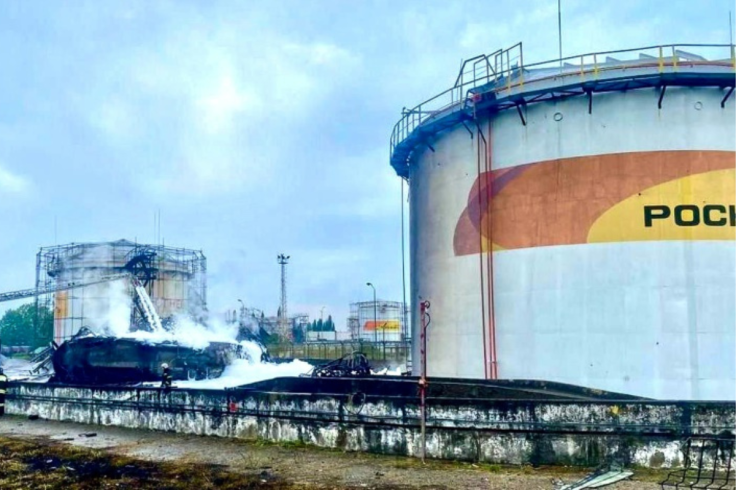
Russia is facing growing pressure on its fuel supply network as Ukrainian drone strikes increasingly target oil refineries, storage facilities, and export terminals across the country. The latest attacks on 4 July struck the St. Petersburg Oil Terminal and facilities in Russia's Leningrad region, while previous operations have targeted key energy sites in Yaroslavl, Tuapse, and Krasnodar Krai. The campaign is disrupting fuel production and distribution, creating new challenges for Moscow as it continues its war in Ukraine.
Russian President Vladimir Putin acknowledged on 28 June that fuel shortages had become a concern in some regions, underscoring the impact that repeated attacks are having on one of Russia's most important economic sectors.
Ukraine Expands Its Long-Range Drone Campaign
Ukraine has steadily increased its use of long-range drones to strike targets far beyond the front lines, focusing on facilities that support Russia's energy industry and military logistics.
The latest attacks on 4 July affected infrastructure in the St. Petersburg area and the nearby port city of Vysotsk, located about 170 kilometres northwest of Russia's second-largest city. Regional officials, including Leningrad Governor Alexander Drozdenko and St. Petersburg Governor Alexander Beglov, confirmed that air-defence systems responded to large-scale drone activity in the region.
Ukrainian officials have argued that energy infrastructure is a legitimate target because oil revenues help fund Russia's military operations. By striking refineries, storage facilities and export terminals, Kyiv hopes to raise the economic cost of the war while demonstrating that critical infrastructure remains vulnerable.
Fuel Supply Pressures Become More Visible
The cumulative impact of these attacks is becoming increasingly difficult for Russian authorities to dismiss.
Several facilities have reportedly experienced temporary shutdowns or operational disruptions following drone strikes, complicating fuel distribution across parts of the country. Reports from affected regions have described supply bottlenecks, longer queues at petrol stations, and efforts by authorities to stabilise local fuel markets.
Putin's acknowledgement of shortages marked a rare public admission that Ukrainian attacks are creating economic challenges beyond the battlefield. Although officials insist that the situation remains under control, the pressure on refineries and storage sites has raised concerns about the resilience of Russia's domestic fuel network.
The disruptions come as Moscow continues to balance military spending, sanctions pressures, and broader economic demands.
Why Energy Infrastructure Matters
Energy has become one of the most important fronts in the conflict.
Russia relies heavily on oil production, refining, and exports for government revenue, making energy facilities strategically valuable assets. Damage to refineries and storage terminals can affect domestic fuel supplies while also reducing export capacity.
For Ukraine, targeting this infrastructure offers an opportunity to weaken Russia's economic resilience without engaging directly on the battlefield. For Moscow, protecting a vast network of facilities stretching across thousands of kilometres has become an increasingly complex and costly task.
The repeated attacks have also highlighted how drone warfare is reshaping the conflict and extending its impact far beyond the front lines.
Drone Strikes Set Stage for Fuel Battle
The battle over energy infrastructure is likely to intensify in the coming months.
Ukraine has signaled that long-range drone operations will continue, while Russian authorities are expected to invest further in air-defence systems and protective measures around key facilities. The effectiveness of those efforts could influence both Russia's economic stability and its ability to sustain military operations.
As the war evolves, fuel supplies and energy security are becoming increasingly important indicators of the conflict's broader impact. The coming months may reveal whether Ukraine's strategy can generate lasting pressure on one of Russia's most vital industries.
© Copyright IBTimes 2026. All rights reserved.