Russia-Ukraine War Update: Putin Admits Fuel Problems as Ukraine Attacks Two Russo Oil Refineries
Ukraine's attacks on Russian oil refineries lead to fuel shortages and potential economic impacts

More than four years ago, Russia began a full-scale invasion of Ukraine. While the campaign had not been successful, the Kremlin managed several wins and some losses. But for the first time, President Vladimir Putin admits hitting a major snag in the war in the form of a fuel crisis in Russia.
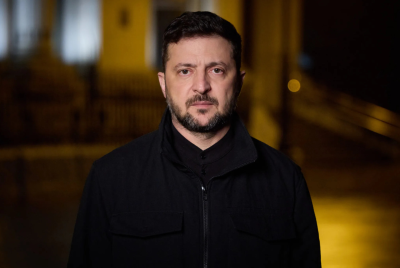
This, as Ukraine successfully attacked Russian energy infrastructure. President Volodymyr Zelenskyy announced on his social media account Sunday, 28 June: 'Last night, our long-range sanctions reached two oil refineries in Russia... We continue our operations that weaken Russia's ability to wage this war.'
The affected Russian oil refineries are the Slavyansk oil refinery in the Krasnodar region and the Yaroslavl oil refinery, which is about 700 kilometres from the Ukrainian border. 'Each of our long-range sanctions means fewer resources serving Russia's war machine,' Zelensky also said.
Why Is Russia Facing Fuel Shortages?
Ukraine's attacks on Russian oil refineries prompted fuel shortages in many regions. Putin said, 'As for the strikes against critical infrastructure in general, and energy infrastructure in particular, of course, these attacks on our infrastructure facilities create problems. That's obvious. Right now, we're observing a certain shortage, but it's not critical.'
Some Russian regions had to initiate fuel rationing to cope with the fuel crisis. Siberia will only allow 50 litres (13 gallons) of fuel per vehicle daily at government-run fuel stations. Long lines were reported in fuel stations in the region of Bashkortostan, one of the most oil-rich areas in the country. The Irkutsk region has declared a state of heightened alert.
Why Are Oil Refineries Key Targets?
While fuel is an important commodity in people's lives, it is particularly necessary in a war campaign. Refineries supply military logistics and the attacks have essentially disrupted the war on Russia's side.
The Slavyansk refinery reportedly supplies 9% of petroleum in the Southern Federal District. It is one of the largest fuel infrastructures in southern Russia, covering fuel oil, motor gasoline, and aviation fuel.
Russians expect fuel prices to surge. Pundits also noticed that some Russians have started taking their gripes to social media, which was never the case in the authoritarian regime.
Many areas have also plunged into darkness. Notably, blackouts and fuel shortages are widely reported in many regions, including the disputed Crimean Peninsula.

Putin Open to Halt on Long-Range Strikes
For Putin, the Russian fuel crisis is not critical and the battle for complete control of Ukraine continues. The country will be dipping into its oil reserves to deal with the issue. Gasoline and kerosene exports have been suspended and it is expected that the same will be implemented on diesel exports.
Meanwhile, the Russian leader said he is open to a pause on long-range strikes on both sides, as proposed by Ukraine. However, Putin made it clear that the proposition is more beneficial to Ukraine.
At this critical stage, Estonian Foreign Minister Margus Tsahkna urged European nations to put pressure on Russia to finally end the war. The EU needs to do more to support Ukraine and target Russia's financial systems and trade industry.
© Copyright IBTimes 2026. All rights reserved.
- Recommended For You