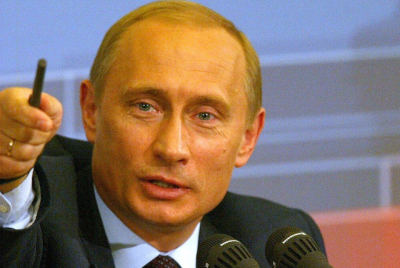
Inside Putin's Fiery St. Petersburg Rant: Nuclear Enriched Uranium, Trump Defended, and the Threat to Europe
Russian President Vladimir Putin addresses nuclear risks and defends Trump at the St. Petersburg International Economic Forum.
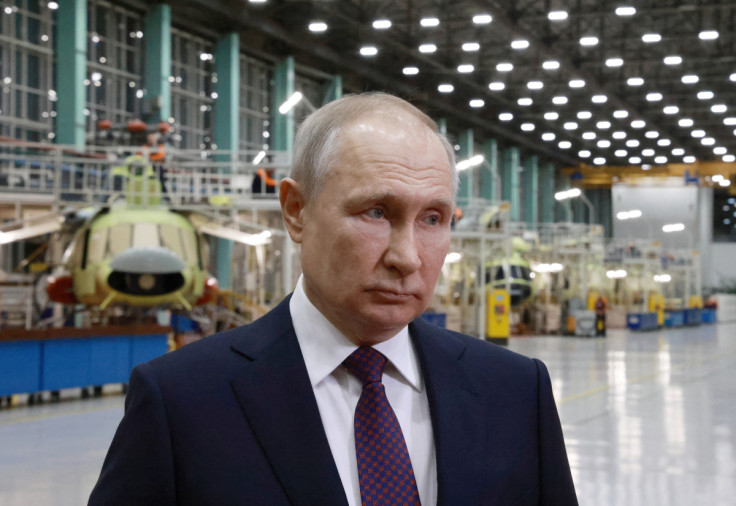
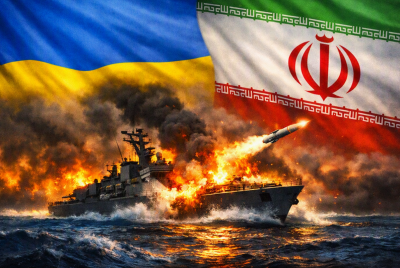
Vladimir Putin used a high-profile appearance at the St. Petersburg International Economic Forum to defend Donald Trump, reject claims that Iran is secretly pursuing nuclear weapons and warn that the war in Ukraine continues to pose nuclear risks for Europe.
Speaking during the forum's plenary session on Friday, the Russian president said he had been in contact with Washington, Tehran and Tel Aviv as tensions in the Middle East intensified. His remarks ranged from Iran's nuclear programme to the safety of nuclear facilities in Iran and Ukraine, while also highlighting Moscow's role in ongoing diplomatic efforts.
The Kremlin said the session brought together leaders and delegates from 140 countries and territories, with Sky News Arabia presenter Nadim Koteich serving as moderator. The setting offered Putin a prominent international stage as Russia seeks to remain influential despite tensions with Western governments.
Putin Rejects Nuclear Weapons Allegations
Putin was asked about Iran's enriched uranium stockpile and whether it should be placed under international control, reflecting growing international concern over Tehran's nuclear activities.
Russian President Vladimir Putin claimed Tehran never asked for weapons and Moscow hadn’t supplied any, speaking at Friday’s St Petersburg International Economic Forum session.
— CGTN Europe (@CGTNEurope) June 7, 2026
"I think the Iranians, I do not know if they are aware, but they could receive information not only… pic.twitter.com/tckoZWdnj7
He said the issue had been discussed with officials in Washington, Tehran and Tel Aviv before rejecting suggestions that Iran is pursuing nuclear weapons.
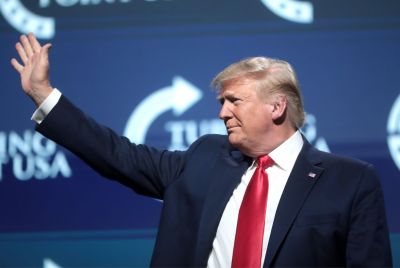
'I have no reason to say that Mr. Trump has been misled in any way,' Putin said when asked whether the US president had been influenced by Israeli Prime Minister Benjamin Netanyahu. He described Trump as 'an experienced, mature politician' who was unlikely to be significantly swayed by outside pressure.
#SPIEF2026onIndiaToday
— India Today Global (@ITGGlobal) June 6, 2026
Did Israel mislead Donald Trump over Iran?
Responding to @Geeta_Mohan at the St. Petersburg International Economic Forum, Vladimir Putin said he has “no grounds” to believe Trump was misled, calling him an experienced politician who is not easily… pic.twitter.com/ieOdt15jIe
While acknowledging Israel's security concerns, Putin noted that Iran has repeatedly denied seeking nuclear weapons and said Russia had seen no evidence to indicate otherwise. His comments come as scrutiny of Iran's programme continues. IAEA Director General Rafael Grossi has previously argued that military action alone would not eliminate Tehran's nuclear capabilities.
IAEA Director General Rafael Grossi says the 2015 Iran nuclear deal is no longer a workable model.
— Al Jazeera English (@AJEnglish) June 2, 2026
Iran's nuclear technology and capabilities have advanced significantly, and any future agreement must reflect today's realities, including the impact of the recent conflict. pic.twitter.com/5VLbX2GVEr
Putin argued that the central obstacle remains a lack of trust between the parties involved. If Iran's uranium were placed under IAEA supervision, he said, he saw no major barriers to a solution.
Bushehr Highlights Regional Tensions
The Russian leader also discussed the Bushehr nuclear power plant in southern Iran, a project that has long involved Russian expertise and investment.
Putin said one reactor unit is already operational and that work continues on two additional units. Russian specialists remain engaged at the site, although he said most personnel had been withdrawn because of security concerns linked to the wider regional conflict. He added that some women and children had also been evacuated from the area.
According to Putin, Russian officials raised concerns with both the United States and Israel because of the plant's proximity to potential military activity. He said strikes near the facility had been accidental and that assurances had been received that similar incidents would not happen again.
The remarks underscored Moscow's effort to maintain dialogue with Iran, Israel and the United States as regional tensions escalate.
Zaporizhzhia Warning Aimed at Europe
Putin then turned to Ukraine and the Zaporizhzhia nuclear power plant, Europe's largest nuclear facility and one of the most sensitive locations in the war. He alleged that Ukrainian forces had carried out attacks near the site and claimed the reactor itself had been struck, although he said there had been no significant consequences and no damage to the reactor.
Putin argued that the greater danger lies in the plant's spent fuel storage facilities. Damage to those areas, he said, could result in radioactive contamination spreading beyond Ukraine depending on weather conditions and wind patterns.
The warning appeared directed at European governments that continue to support Kyiv. The IAEA has repeatedly monitored conditions at Zaporizhzhia and warned about the risks posed by military activity around the facility.
Previous reports have found no immediate nuclear safety threat following shelling incidents, while continuing to highlight concerns over damaged infrastructure and the vulnerability of external power supplies. Recent attacks on connected energy infrastructure have kept attention focused on the site's security.
Russia Seeks Central Diplomatic Role
The broader significance of Putin's remarks was the way they connected two separate geopolitical flashpoints: Iran and Ukraine.
On Iran, he presented Russia as a participant in diplomatic efforts and a supporter of international oversight through the IAEA. On Ukraine, he used the discussion to highlight the potential consequences of escalation around Europe's largest nuclear facility.
The speech also reinforced Moscow's argument that Russia remains a necessary actor in major security disputes despite Western efforts to isolate it.
Moscow.Kremlin.Putin. Broadcast of June 7
— Moscow Kremlin Putin (@mkp_english) June 8, 2026
St. Petersburg International Economic Forum
At the St. Petersburg International Economic Forum, Vladimir Putin discussed global challenges, the crisis with the West, and the situation in the Donbass. The forum highlighted Russia's… pic.twitter.com/pdipy69mQH
Whether discussing Iran's nuclear programme, Bushehr or Zaporizhzhia, Putin's message was consistent: Russia expects to remain involved in shaping some of the world's most sensitive crises.
© Copyright IBTimes 2026. All rights reserved.
- Recommended For You