Putin Rejects Ukraine Ceasefire Proposal, Says Russian Strikes Are 'More Destructive'
Russian President Vladimir Putin dismisses Ukraine's ceasefire proposal, citing strategic benefits of continued long-range strikes
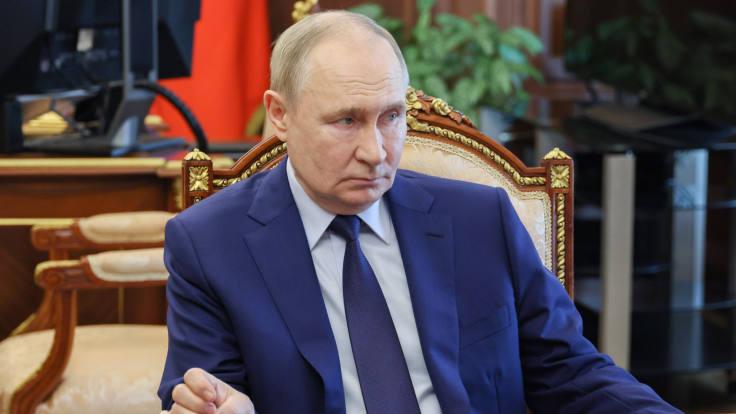
Russian President Vladimir Putin has rejected a Ukrainian proposal for both sides to halt long-range strikes on infrastructure, saying Russia's attacks inflict greater damage and provide Moscow with a battlefield advantage.
Speaking during an interview with Russian state journalist Pavel Zarubin, broadcast on Sunday, Putin dismissed the proposal, saying it would ease pressure on Ukrainian forces while doing little to move peace negotiations forward. He said Russia's strikes had a 'greater impact' and were 'more destructive', adding there was no reason for Moscow to suspend its campaign.
His comments came as both countries continued exchanging drone and missile attacks far beyond the front line. Ukraine has stepped up long-range strikes on Russian energy, logistics and military infrastructure in recent weeks, while Russia has continued launching missile and drone attacks across Ukrainian territory.
Putin Rejects Ceasefire Proposal
During the interview, Putin acknowledged that Ukrainian attacks had created 'problems' for parts of Russia's energy infrastructure and contributed to shortages of fuel and some air defence equipment. However, he insisted the difficulties were 'not critical' and said Russia remained capable of responding.
Putin argued suspending long-range strikes would weaken Russia's military position because Russian attacks were causing greater damage than Ukrainian strikes.
He also rejected proposals that reportedly included a temporary ceasefire, a personal meeting with Ukrainian President Volodymyr Zelensky and limiting fighting to the four partially occupied Ukrainian regions claimed by Russia. Putin also ruled out any settlement that would leave Ukraine's current government in place, saying doing so 'is not part of our plans'.
Ukraine Expands Long-Range Attacks
While Putin defended Russia's campaign, Ukraine has increasingly used long-range drones to target energy facilities, logistics hubs and military installations inside Russia and in occupied Crimea. Ukrainian officials have said the strikes are intended to disrupt Russian supply routes and reduce Moscow's ability to sustain military operations.
The latest wave of attacks targeted multiple Russian regions as well as occupied Crimea. Officials in Russian-occupied Crimea said strikes on fuel storage facilities prompted a temporary suspension of civilian fuel sales and the declaration of a state of emergency in parts of the peninsula.
Putin:
— Clash Report (@clashreport) June 29, 2026
There are new proposals. For example, to stop strikes deep inside each other's territory.
It's obvious why that proposal is being made: our retaliatory strikes deep inside Ukraine are far more powerful, more painful, and, frankly, more destructive, causing serious… pic.twitter.com/mLCGlnWspk
According to Ukraine's Ministry of Defence, Ukrainian forces also struck seven Russian air defence systems during the weekend. The ministry says 1,454 Russian air defence systems have been destroyed since the start of the full-scale invasion in 2022, although those figures have not been independently verified.
Independent Russian outlet Verstka has reported growing pressure on Russia's air defence network, while Ukrainian officials say repeated attacks are forcing Moscow to divert additional military resources to defending infrastructure deep inside Russian territory.
Negotiations Remain Stalled
Putin's rejection of the proposal leaves efforts to reach even a limited ceasefire at an impasse, with diplomatic contacts remaining limited. His remarks also came despite signs of growing war fatigue inside Russia.
Russian President Vladimir Putin says Ukraine has proposed a mutual halt to long-range strikes and a meeting with Kyiv's leadership.
— Al Jazeera English (@AJEnglish) June 29, 2026
But, though he says he is considering the proposal, he believes the deal would benefit Ukraine more than Russia. pic.twitter.com/BAGro7NadI
A recent survey by the Institute for Conflict Studies and Analysis of Russia found that 81 per cent of respondents supported ending the war. Despite those findings, Putin indicated there would be no immediate change in the Kremlin's military strategy.
No agreement has been reached on suspending long-range strikes, and fighting has continued across the front line and deep inside both Russia and Ukraine while negotiations remain stalled. Russian officials have continued presenting the conflict as a long-term military campaign, while Ukrainian officials maintain that any negotiations must respect Ukraine's sovereignty and territorial integrity.
© Copyright IBTimes 2026. All rights reserved.
- Recommended For You