Could You Tell Ebola and Hantavirus Apart? Here's What Experts Say
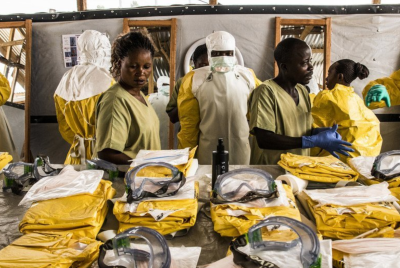
Ebola is transmitted through direct contact with the bodily fluids of an infected person or contaminated objects.

Health experts have repeatedly warned that Ebola and Hantavirus are frequently conflated in public discussions, despite being caused by entirely different pathogens with distinct transmission routes, symptoms, and geographic risks.
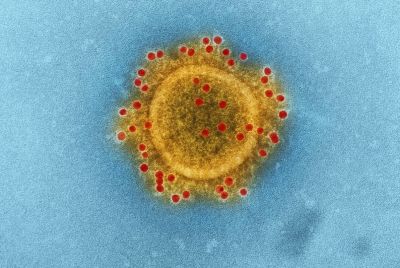
Ebola disease is caused by orthoebolaviruses, a group of viruses first identified in 1976 and primarily found in sub-Saharan Africa, where outbreaks occur through human-to-human transmission via bodily fluids.
Hantaviruses, by contrast, are a family of viruses carried mainly by rodents and are transmitted to humans through exposure to contaminated urine, droppings, or saliva, or by inhaling particles from contaminated environments.
While both can cause severe illness, they are biologically unrelated and require different public health responses.
Different Transmission Pathways
One of the clearest distinctions between the two viruses is how they spread.
Ebola is transmitted through direct contact with the bodily fluids of an infected person or contaminated objects. Health authorities stress that transmission occurs only after symptoms begin, not during the incubation period.
Hantavirus infections, however, are primarily environmental. Humans typically contract the virus after inhaling airborne particles from rodent droppings or urine. There is limited evidence of human-to-human transmission for most hantavirus strains.
Experts say this distinction is critical in outbreak control. Ebola requires strict isolation and infection control in healthcare settings, while hantavirus prevention focuses on rodent control and environmental hygiene.
Symptoms Can Look Similar Early On
Despite their differences, both viruses can initially present with flu-like symptoms, which contributes to public confusion.
Ebola typically begins with fever, fatigue, muscle pain, and sore throat before progressing to vomiting, diarrhoea, and in some cases, bleeding.
Hantavirus infections also often begin with fever, muscle aches, and fatigue, but can rapidly progress to severe respiratory distress in some strains, particularly hantavirus pulmonary syndrome.
Health experts note that early symptom overlap makes clinical diagnosis difficult without laboratory testing. As the World Health Organisation states, early-stage Ebola can resemble malaria, typhoid fever, and other viral infections before more severe symptoms emerge.
Geographic Risk Is Very Different
Another key difference is where the viruses are typically found.
Ebola outbreaks are largely confined to parts of Africa, with sporadic but serious epidemics, including the major West African outbreak between 2014 and 2016.
Hantavirus infections, meanwhile, are more widely distributed across the Americas, Europe, and Asia, depending on rodent populations and environmental conditions.
According to health authorities, Ebola poses a very low risk to the general public outside outbreak regions, particularly in countries with strong surveillance systems.
Severity And Case Fatality Differences

Ebola is widely regarded as one of the most severe viral haemorrhagic fevers, with case fatality rates historically ranging from 25% to as high as 90% in some outbreaks.
Hantavirus severity varies significantly by strain. Some cause mild illness, while others, such as those linked to hantavirus pulmonary syndrome, can be fatal in a significant proportion of cases.
However, experts stress that both diseases remain rare globally, and outbreaks are typically contained through targeted public health responses.
Why Confusion Persists Online
Health communicators say confusion between Ebola and hantavirus often arises during viral outbreak news cycles, particularly on social media, where disease names are circulated without context.
The BBC has previously highlighted that both diseases attract heightened public concern due to their rarity and severity, even though transmission risks differ significantly for the general population.
Experts emphasise that an accurate distinction is essential not only for public understanding but also to prevent panic driven by misinformation.
Similar Fear, Different Realities
While Ebola and hantavirus are both serious infectious diseases, they operate in fundamentally different biological and environmental systems.
Ebola spreads through direct human contact with bodily fluids during outbreaks, primarily in Africa, while hantavirus spreads through rodent exposure across multiple continents.
Health experts say understanding these differences is crucial to responding appropriately to outbreaks and avoiding unnecessary alarm.
As infectious disease surveillance continues globally, authorities stress that clear public communication remains one of the most important tools for managing fear and the viruses themselves.
© Copyright IBTimes 2026. All rights reserved.
- Recommended For You