Houston Prepares to Host DR Congo's World Cup Team Amid Ebola Outbreak: CDC Says Health Risk Remains Low to Americans
Houston gears up for the World Cup while addressing Ebola outbreak concerns from DR Congo

Houston is preparing to welcome the Democratic Republic of Congo's national football team as part of the 2026 FIFA World Cup, even as health officials monitor an escalating Ebola outbreak in Central Africa. The situation has prompted local authorities, tournament organisers, and federal agencies to review response plans ahead of the team's arrival.
Despite growing public concern, the US Centers for Disease Control and Prevention (CDC) has stressed that the risk to Americans remains low, while additional screening and preparedness measures are already being put in place.
Houston Readies for DR Congo Team Arrival Ahead of World Cup Fixtures
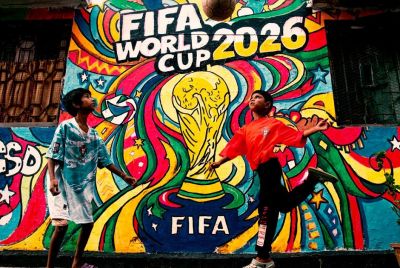
Houston is expected to serve as the base city for the Democratic Republic of Congo national team during the upcoming FIFA World Cup, according to reports. The squad is anticipated to arrive around 10–11 June before opening its campaign against Portugal on 17 June at Houston Stadium, formerly known as NRG Stadium. Houston will host seven World Cup matches between 14 June and 4 July.
The preparations come as the Democratic Republic of Congo battles a growing Ebola outbreak that has triggered international attention. Houston officials have reportedly been coordinating with FIFA, medical experts and public health agencies to monitor developments and implement any necessary precautions. Infectious disease specialists from Houston-based institutions have moved to reassure residents, noting that the likelihood of widespread transmission remains low given the nature of Ebola and existing public health systems.
CDC Says Ebola Risk to Americans Remains Low Despite New Measures
The CDC reiterated this week that the overall risk to the American public remains low and confirmed that no Ebola cases linked to the current outbreak have been detected in the US. In response to the outbreak, the agency announced enhanced traveller screening, monitoring procedures and entry restrictions targeting individuals arriving from the Democratic Republic of Congo, Uganda and South Sudan.
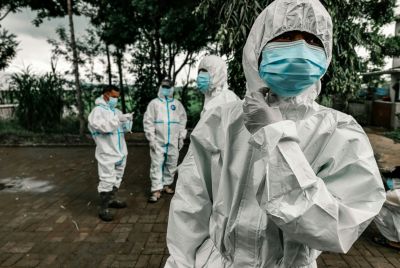
CDC officials said they are strengthening airport screening systems, increasing laboratory testing capacity, improving hospital preparedness and coordinating with airlines and international partners. The agency has also activated emergency response operations linked to the outbreak.
The latest response comes after an American healthcare worker operating in the Democratic Republic of Congo tested positive for Ebola while treating patients in the affected region. The individual has since been transferred for treatment outside Africa.
Ebola Outbreak in DR Congo Continues to Escalate
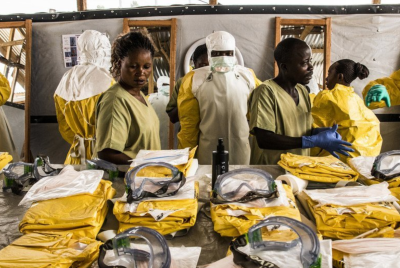
The Ebola outbreak in eastern Congo has intensified rapidly in recent days, with the World Health Organization expressing concern over the scale and speed of transmission as suspected cases and deaths continue to rise. International aid groups have expanded emergency operations and medical supply deliveries to affected regions.
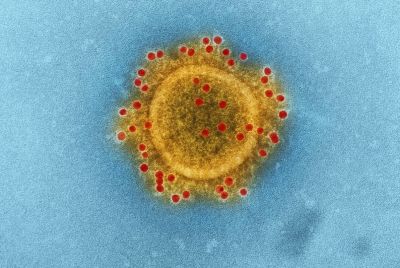
Health authorities are particularly concerned because the outbreak involves the Bundibugyo strain of Ebola, a rarer variant for which there are currently no approved vaccines or targeted treatments. Experts say the strain has appeared only twice previously, in 2007 and 2012. The WHO has mobilised personnel and emergency resources while increasing surveillance, testing and contact tracing efforts across affected provinces.
Health officials continue to stress that Ebola spreads through direct contact with infected bodily fluids and is not airborne, reducing the risk of large-scale transmission in settings where monitoring systems are active.
World Cup Spotlight Brings Public Health Planning Into Focus
Houston's role as a major World Cup host city means preparations now extend beyond stadium logistics and fan experiences, with public health readiness becoming an equally important part of the planning process. Officials have not announced any changes to tournament schedules or travel plans involving the DR Congo squad, and authorities appear focused on maintaining safeguards while allowing international sporting activities to proceed.
The CDC and local health officials have indicated that closer coordination between tournament organisers, health agencies and local authorities will continue as teams and supporters begin arriving in host cities.
© Copyright IBTimes 2026. All rights reserved.
- Recommended For You