Ebola Scare Deepens as Infected American Is Rushed to Germany in High-Security Transfer: CDC Confirms
Ebola outbreak in Central Africa intensifies as infected American receives treatment in Germany

Dr Peter Stafford, an American citizen infected with the deadly Ebola virus has been transferred from central Africa to Germany for specialist treatment, sparking renewed fears over the rapidly escalating outbreak in the Democratic Republic of Congo and neighbouring Uganda.
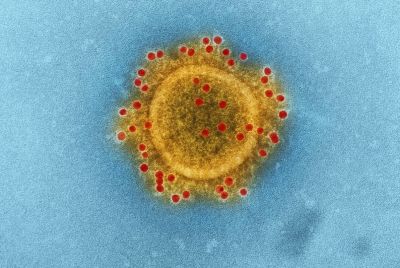
The emergency evacuation was carried out under strict biosecurity measures after the individual tested positive while working in the Ebola outbreak zone. Dr Stafford is believed to have contracted the rare Bundibugyo strain of Ebola while in eastern Congo.
The American doctor was in the Democratic Republic of Congo working with a medical missionary group and was exposed to the Ebola virus while treating patients at Nyankunde Hospital in Bunia, DRC. Health officials confirmed the infected American was transported to a high-level isolation unit in Germany designed to handle some of the world's most dangerous infectious diseases.
US authorities have also begun monitoring several other people who may have been exposed to the virus during the individual's travels and medical evacuation. Although officials insist the risk to the wider public remains low, the case has intensified international concern surrounding the growing Ebola crisis in central and east Africa.
Emergency Medical Evacuation Under Tight Security
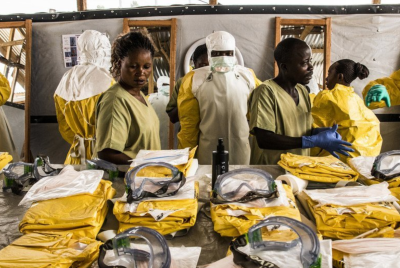
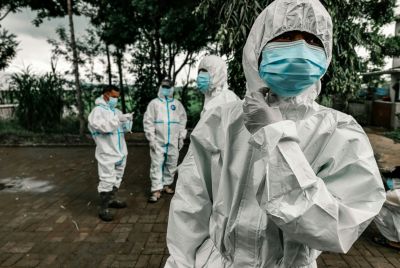
The transfer operation reportedly involved specially trained medical teams wearing full protective equipment as the patient was flown out of the region aboard a medically equipped aircraft.
According to reports, Dr Stafford first showed symptoms while working near the Congo-Uganda border, where the outbreak has already claimed dozens of lives.
Germany was chosen because of its advanced infectious disease treatment centres, which have previously handled severe Ebola cases during earlier outbreaks. Patients requiring high-level bio-containment are typically transported to specialised German hospitals, such as the St. Georg Clinic in Leipzig, University Medical Center Hamburg-Eppendorf or Frankfurt University Hospital, which maintain dedicated isolation units for highly infectious disease.
Medical experts say specialised isolation wards are critical in preventing further spread, as Ebola can be transmitted through direct contact with infected bodily fluids.
Officials have not confirmed the patient's current condition, but sources close to the situation said the individual remains under intensive medical supervision. There is currently no approved vaccine specifically targeting the Bundibugyo strain, making treatment significantly more complicated than in previous Ebola outbreaks.
US Authorities Launch Ebola Monitoring Measures
The case has triggered an emergency response from American health agencies. The US Centers for Disease Control and Prevention has begun tracing individuals who may have come into contact with the infected patient before and during the evacuation process.
Several people who had contact with the American traveller are now undergoing health monitoring, while airports and border agencies have been placed on heightened alert. US officials are also reviewing travel guidance for regions affected by the outbreak.
Despite growing concern, experts stressed that Ebola does not spread through the air like influenza or COVID-19. Instead, transmission usually occurs through close physical contact with infected patients, contaminated surfaces or bodily fluids. Health workers and carers are considered among the highest-risk groups during outbreaks.
The latest incident has revived memories of the 2014 Ebola epidemic in West Africa, which killed more than 11,000 people and caused global panic after isolated cases reached Europe and the United States.
Fears Grow as Ebola Outbreak Expands
The wider outbreak in Congo and Uganda continues to worsen, with hundreds of suspected infections now under investigation. Health officials fear the virus may spread more rapidly due to cross-border movement and fragile healthcare systems in conflict-affected areas.
The World Health Organization recently declared the outbreak an international public health emergency, warning that neighbouring countries remain at high risk. Emergency teams are currently working to identify infected individuals, trace contacts and contain further transmission.
Aid organisations say misinformation, fear and limited medical resources are complicating efforts on the ground. Some remote communities remain difficult to access due to violence and instability, raising fears that the true scale of the outbreak could be far greater than officially reported.
As the infected American receives treatment in Germany, global health officials are racing against time to prevent the outbreak from spiralling into a much larger international crisis.
The ongoing Ebola outbreak in the DR Congo and Uganda has resulted in at least 88 to 118 reported deaths. The WHO and the CDC have declared the situation a public health emergency of international concern.
© Copyright IBTimes 2026. All rights reserved.
- Recommended For You