'One Meal a Day': UN Slams Brutal US Fuel Blockade Pushing 40% of Cubans into Immediate Starvation
UN experts warn of worsening conditions as US sanctions and fuel restrictions strain Cuba's healthcare and food supply.
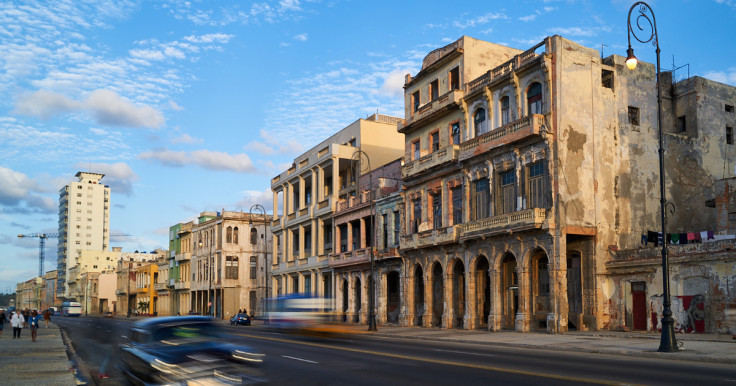
Cuba's deepening humanitarian crisis is increasingly being measured not in economic statistics but in empty pharmacy shelves, delayed surgeries and families struggling to find enough food.
United Nations experts have warned that tightened US sanctions and fuel restrictions are worsening conditions across the island, with an estimated 40 per cent of Cubans now surviving on one meal a day or less.
The warning comes as Cuba grapples with severe fuel shortages, prolonged blackouts and mounting pressure on its healthcare system. UN experts argue that restrictions affecting fuel imports, shipping and financial transactions are limiting the country's ability to secure food, medicines and other essential supplies.
Washington maintains that its measures are aimed at the Cuban government and military-linked businesses rather than ordinary citizens, describing sanctions as a necessary tool to encourage political change and protect US national security interests.
Hospitals Under Pressure
The most visible effects of the crisis are emerging inside Cuba's healthcare system.
According to UN experts, surgeries are being postponed, hospitals are struggling to maintain critical equipment and medicine shortages are turning power outages into a growing public health emergency.
The consequences are particularly severe for children. UN figures show infant mortality has doubled to 9.9 deaths per 1,000 births, while childhood cancer survival rates have fallen from 85 per cent to 65 per cent. At the same time, only around 30 per cent of essential medicines are reportedly available.
"Recent public health data shows . a doubling of infant mortality to 9.9 per 1,000 births and a decline in childhood cancer survival rates from 85 per cent to 65 per cent, since the fuel restrictions were imposed." https://t.co/DcOphRxPZe
— Adil Haque (@AdHaque110) June 8, 2026
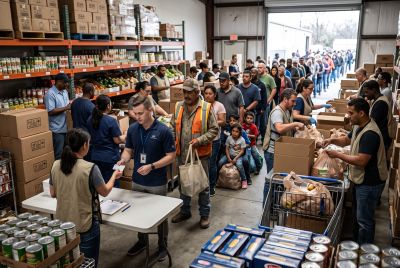
The crisis extends beyond hospitals. UN experts say food insecurity has worsened sharply, with around 40 per cent of Cubans now consuming one meal a day or less.
Compounding the problem are recurring nationwide blackouts. Some areas have reportedly experienced electricity cuts lasting up to 20 hours a day, affecting homes, businesses, water systems and healthcare facilities alike.
Fuel Restrictions Tighten
For years, US sanctions on Cuba have targeted key sectors of the economy. Critics argue that recent measures have expanded the pressure by restricting access to fuel supplies and increasing risks for foreign companies doing business with the island.
UN experts have described the situation as a form of 'energy starvation', arguing that fuel shortages are affecting transportation, food distribution, electricity generation and healthcare services.
The restrictions have also complicated Cuba's ability to engage with international suppliers and financial institutions. Companies involved in shipping, fuel trading and other commercial activities face potential exposure to US sanctions, making many reluctant to maintain ties with the island.
Supporters of the policy argue that the pressure is intended to weaken state-controlled economic structures rather than harm civilians. Critics counter that ordinary Cubans are bearing the consequences.
GAESA In Focus
A central target of US sanctions policy is the Grupo de Administración Empresarial S.A. (GAESA), the military-linked conglomerate that controls large parts of Cuba's tourism, retail, logistics, financial and real estate sectors.
Washington argues that targeting GAESA limits resources available to the Cuban government and security apparatus. As a result, foreign companies with links to the conglomerate have faced growing scrutiny.
The pressure is already reshaping business activity. Spanish hotel operators Meliá and Iberostar have reportedly begun scaling back parts of their involvement, while Blue Diamond is exiting the market entirely. Shipping firms have also reduced bookings or withdrawn services amid concerns about sanctions exposure.
Analysts warn that the impact extends beyond lost revenue, potentially reducing Cuba's access to investment, expertise and international commercial networks.
Human Rights Debate
The dispute has evolved into a broader argument over whether economic pressure can be justified when humanitarian conditions continue to deteriorate.
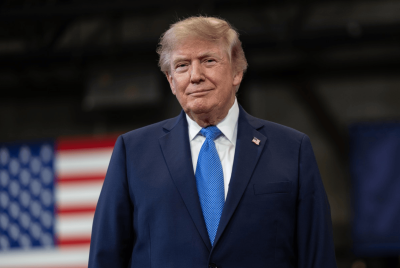
The Trump administration argues that sanctions are directed at regime insiders and are necessary to address concerns ranging from political repression to national security. US officials maintain that responsibility for Cuba's economic problems ultimately rests with the government in Havana.
Cuba and UN experts reject that view, arguing that restrictions affecting fuel, trade and financial transactions are producing disproportionate harm to civilians. Some UN special rapporteurs have warned that measures contributing to shortages of fuel, medicine and essential services raise serious human rights concerns.
Economists also note that sanctions are not the sole source of Cuba's difficulties. Longstanding structural problems, including low productivity, state control of key industries, currency distortions and years of underinvestment, have also weakened the economy.
No Immediate Relief
Cuban authorities have attempted to ease pressure through limited private-sector reforms and efforts to attract investment from the diaspora. However, analysts say such measures are unlikely to deliver significant results without broader economic changes and greater investor confidence.
UN experts have urged policymakers to prioritise humanitarian considerations and review measures that restrict access to fuel, medicine and essential services.
For now, neither side appears willing to change course. Havana is struggling with worsening shortages, Washington continues to defend its sanctions strategy and ordinary Cubans remain caught in the middle.
The crisis is increasingly being felt not in diplomatic exchanges, but in darkened homes, overcrowded hospitals and families waiting for food and medicine that may not arrive.
© Copyright IBTimes 2026. All rights reserved.
- Recommended For You