

CVS Ordered To Pay $37 Million Fine For Stealing Medicaid Funds Through Elaborate Insulin Overbilling Plot
CVS admits to overbilling government health programmes for insulin, settling a decade-long fraud case.
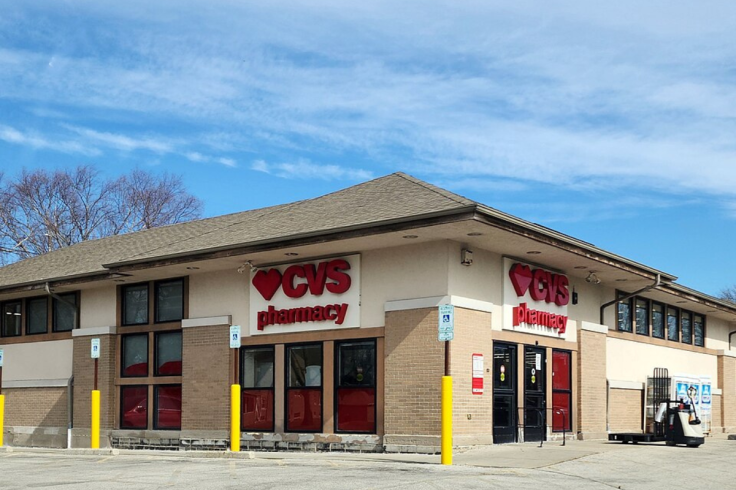
CVS has agreed to pay £28.3 million ($37.76 million) and admitted responsibility after a decade of billing government health programmes for far more insulin than diabetic patients actually needed.
The national pharmacy chain settled a healthcare fraud lawsuit brought by the US Department of Justice, resolving claims that it repeatedly refilled insulin pen prescriptions too early and dispensed excess quantities between 2010 and 2020.
Connecticut Attorney General William Tong announced his state's share of the money on Monday, 6 July 2026, one of dozens of states recovering funds from the deal. The case stands out because CVS did not simply pay to make the matter disappear; it formally admitted certain conduct, and it began with whistleblowers inside the company.
A Decade of Premature Refills and Under-Reported Supply
According to the Justice Department, CVS violated the False Claims Act by knowingly submitting false reimbursement claims to government healthcare programmes, including Medicare, Medicaid, TRICARE, and the Federal Employees Health Benefits Program. The alleged practices ran from 1 January 2010 through 31 December 2020, a period the government calls the Covered Period.
Insulin pens are commonly sold in cartons of five, and pharmacies must report both the quantity dispensed and the days-of-supply, the number of days that quantity should last. The government alleged that CVS instructed pharmacy staff to report the maximum days-of-supply allowed under a patient's plan when handing over a full carton, a figure often lower than the amount actually dispensed. That underreporting frequently prevented pharmacy benefit managers from spotting premature refills.
The consequences reached patients directly. Because CVS software calculated the next refill date from the inaccurate figures, some diabetics received automatic refill prompts too soon and accumulated large stockpiles of unused insulin, a result the DOJ described as wasteful and potentially dangerous, since insulin can expire.
Customers who had signed up for the pharmacy's optional auto-refill programme were especially exposed, as the system generated pickup notifications based on the flawed supply data recorded by staff.
The Admission That Sets the Case Apart
Most corporate settlements end with the company denying any wrongdoing. This one did not. Under the agreement approved by US District Judge John G. Koeltl, CVS admitted and accepted responsibility for certain conduct alleged in the government's complaint, including that the programmes paid it substantial sums for refills that were ineligible for reimbursement and that its pharmacies dispensed more insulin than beneficiaries needed.
The complaint also states that CVS management was well aware of the problem. Pharmacy benefit managers audited CVS pharmacies periodically and repeatedly found dispensing violations, issuing chargebacks, and for several years, the company knew insulin pens were among the products most often flagged for premature refills.
Despite those findings, the DOJ says, CVS failed to take the steps needed to fix the long-standing issue during the covered period.
US Attorney Jay Clayton framed the outcome as a matter of protecting public money. 'CVS engaged in a decade-long practice of repeatedly prematurely refilling insulin prescriptions for patients and improperly billing government healthcare programs for more insulin than patients needed,' he said, adding that the settlement reflected a continued commitment to holding pharmacies to account and protecting taxpayer dollars.
Whistleblowers, State Shares, and What CVS Says
The case was set in motion from inside the industry. The government joined five private whistleblower lawsuits filed under seal under the False Claims Act, the first of them brought in April 2018 by Adam Rahimi, a pharmacist who had worked for CVS, as detailed by the whistleblower law firm Vogel, Slade & Goldstein. The whistleblowers will collectively receive 19.5 per cent of the government's recovery, roughly £5.3 million ($7.1 million), with Rahimi taking the largest share.
Of the total, £18.3 million ($24.4 million) goes to the United States and the remainder to the states, with a further £944,000 ($1.26 million) paid to the California Department of Insurance. Connecticut's Medicaid programme is attributed £816,000 ($1.09 million), of which the state-only share is £475,514 ($633,913). New York Attorney General Letitia James separately confirmed her state would receive about £1.69 million ($2.25 million), saying that hardworking New Yorkers pay the price when large companies defraud Medicaid.
CVS has said it is glad to resolve the matter. In a statement given to trade press, a company spokesperson said insulin pen billing had long been a challenge for pharmacies, citing factors such as manufacturer packaging and shifting plan rules. The company agreed to the settlement without the case going to trial.
The settlement lays bare how a decade of quiet billing decisions drained public funds and left cupboards full of insulin nobody could use.
© Copyright IBTimes 2026. All rights reserved.