

Viral 35-Year-Old Mars Bar Revives Shrinkflation Debate Over Smaller Chocolate Bars
The 62.5g bar found in Scunthorpe weighs about 56% more than the 40g version used in the comparison
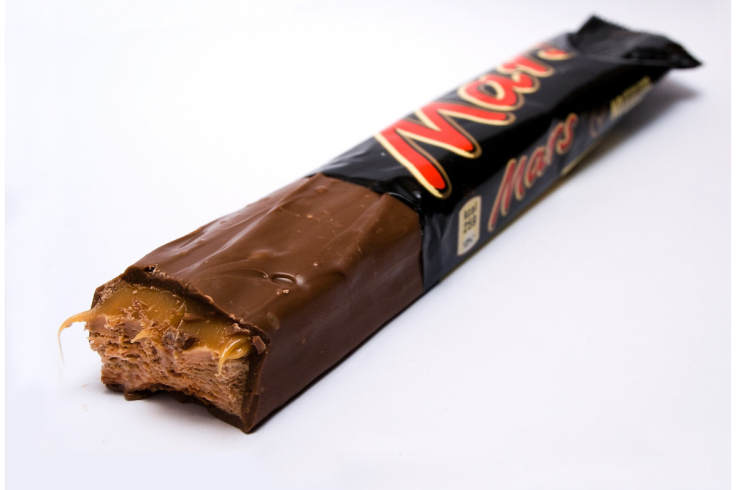
A 35-year-old Mars Bar found during a house clearance in Scunthorpe has gone viral after its size was compared with a current bar. The older bar weighs 62.5g, about 56 per cent more than the 40g version used in the comparison.
Victoria Gordon found the unopened bar on 5 August while clearing a property for Pocket Rockets. Its wrapper carries a best before date of February 1991. Her online post later drew more than one million views and prompted questions about how much the chocolate bar has changed.
How the 1991 Mars Bar Compares With Today's Version
Gordon said the old bar stood out because it was almost the length of her hand. After viewers asked for a comparison, she bought a current Mars Bar and placed the two side by side.
The visual difference is stark, but the numbers tell the same story. The weight difference also changes the calorie count, with the 1991 bar listing 270 calories while the 40g bar has 177 calories.
Viewed the other way, the current bar is 36 per cent lighter than Gordon's 1991 bar. That difference became central to the online shrinkflation discussion.
The comparison has revived debate over shrinkflation, when manufacturers reduce product size without an equal fall in price. The Office for National Statistics accounts for size changes by tracking prices per unit of weight. The two bars differ by 22.5g, although the comparison alone does not show how Mars Bar prices per gram have changed across the full 35-year period.
Mars Responds as Shrinkflation Debate Grows
Mars said it has changed bar sizes and pack formats over the past 35 years. The company linked those decisions to consumer demand, manufacturing costs and cocoa prices.
UK confectionery prices also remain higher than a year ago. The ONS Retail Price Index for sweets and chocolates rose 5.7 per cent in the year to June 2026, after reaching 10.6 per cent in March.
ONS now uses grocery scanner data to capture size changes when measuring inflation. Its method converts products to a price-per-gramme basis, which helps statisticians account for smaller packs as well as higher shelf prices.
ONS says its scanner-data system tracks price and quantity together when a product changes size. This lets inflation measures reflect a smaller package even if the shelf price stays unchanged. The agency also links relaunched products when manufacturers change weight, packaging or recipes, and says a weight reduction can form part of a cost-cutting strategy known as shrinkflation.
A price comparison accompanying Gordon's interview put a Mars Bar at about 30p in the 1990s. The Bank of England inflation calculator puts that at roughly 71p today.
Current supermarket prices in the comparison ranged from about 75p to £1.20. Prices vary by retailer and pack format, so the figures do not represent a single national price.
Future of the 1991 Mars Bar
Gordon considered throwing the bar away but retrieved it after seeing the attention it generated. People outside the UK later contacted her about the unusual find.
The Mars Bar still belongs to Gordon's client, so its future remains undecided. Gordon has considered preserving it, donating it to a museum or selling it on the owner's behalf.
Current UK retailers still sell 40g single Mars Bars, matching the size used in Gordon's comparison. Mars also sells other pack formats, so weights vary across products.
The find has turned a gradual change in product size into a direct comparison. ONS tracks such changes because shoppers can receive less product even when the shelf price does not rise. For the millions who viewed Gordon's post, the 35-year-old bar is more than a curiosity; it is a yardstick for how much the British chocolate bar, and the economy around it, has quietly shifted.
© Copyright IBTimes 2026. All rights reserved.