

America's Grocery Aisles Face Fresh Questions Over Shared Suppliers Behind Household Food Brands
Experts urge shoppers to look beyond branding when making buying decisions
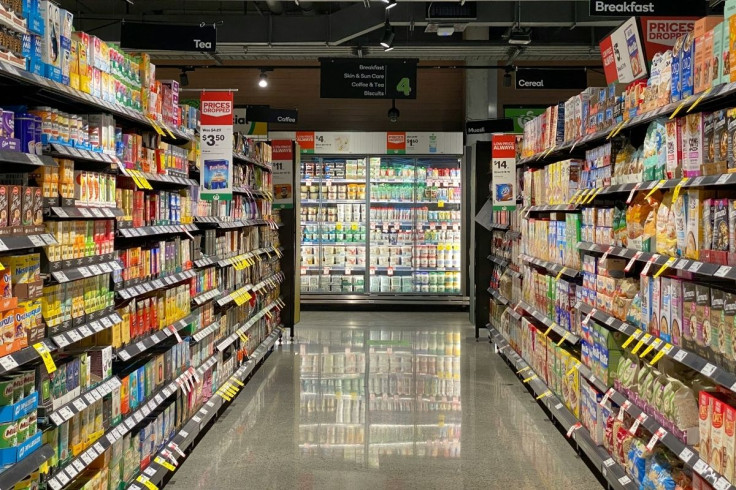
The colourful rows of food lining supermarket shelves may give shoppers the impression they are choosing from dozens of competing brands, but a viral video has sparked fresh questions over whether those choices are as different as they appear.
A regenerative farmer has claimed that many well known food products sold across major American grocery chains come from the same suppliers before being packaged under different labels.
While branding, recipes and quality standards can vary between companies, the discussion has reignited consumer interest in how food reaches supermarket shelves and what shoppers are really paying for.
A Farmer Explained Why Brands May Share Suppliers
The conversation began after Oklahoma regenerative farmer Nate shared his perspective on the modern food industry based on his own farming experience.
'Here's why everything you know about the food system is actually wrong,' he said while introducing his video.
Nate explained that before becoming a farmer in 2016, he made grocery decisions based on price, convenience and taste. However, working within agriculture changed how he viewed supermarket products.
He argued that many consumers are only beginning to realise that products sold under different brands may actually come from the same large suppliers.
Using lettuce as an example, he claimed that produce supplied to restaurants and supermarkets often originates from the same companies before being packaged differently.
He made similar observations about chicken, saying shoppers may assume they are buying products from different farms when, in reality, some brands source from the same major processors.
He also pointed to cream cheese, claiming that one large manufacturing facility supplies a significant share of products sold under multiple brand names.
His broader message was that branding can sometimes create the appearance of greater choice than actually exists within parts of the food industry.
Packaging Does Not Always Tell the Full Story
A podcast host reacting to Nate's video argued that shoppers often judge products by attractive packaging rather than by understanding where they come from.
'I think most people, when they go out to the grocery store, they're looking at the nicest looking package,' he said.
He continued by suggesting that higher prices do not always guarantee healthier or better quality food.
'Maybe because it's more expensive doesn't necessarily mean that it's more healthier [sic] than the other one,' he said.
The host stressed that this does not automatically mean supermarket food is unsafe or inferior, but rather that consumers should better understand how large food supply chains operate.
He added that learning more about food sourcing could influence buying habits, with some shoppers choosing to purchase directly from local farms or even grow some of their own produce.
Large Supply Chains Can Affect Many Different Brands
The podcast host echoed those concerns by saying that when large suppliers provide food to numerous supermarkets and restaurants, any disruption can have widespread consequences.
'If everything is supplied by one massive company, then you've got to dive deeper within that company to find where it all began,' he said while discussing food recalls and contamination investigations.
Food safety experts generally note that although large suppliers can distribute products widely, they are also subject to extensive federal inspections, traceability systems and recall procedures designed to identify contaminated products quickly.
© Copyright IBTimes 2026. All rights reserved.