Will Home Prices Finally Fall in 2026? New Housing Data Reveals the Truth
Strong employment, tighter lending, and limited supply are helping prevent a housing market crash in 2026

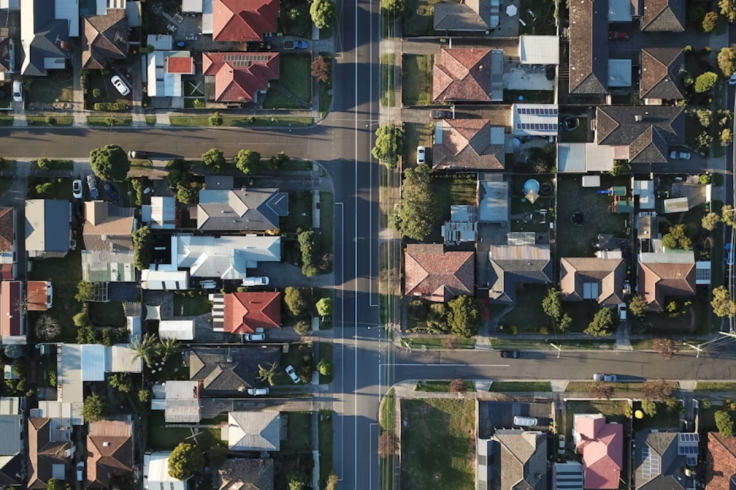
For years, soaring home prices have left many Americans wondering when the housing market might finally turn in their favour. In 2026, there are signs that the market is changing. Home price growth has slowed. Housing inventory has improved. Affordability has shown modest gains in recent months. Yet despite these developments, housing analysts and economists do not expect a nationwide housing crash. Instead, current data points to a market that is gradually cooling after a period of extraordinary growth.
Why a Housing Crash Appears Unlikely
Concerns about a housing market collapse often draw comparisons with the financial crisis of 2008. However, several housing experts say today's market conditions are significantly different.
Hoby Hanna, chief executive of Howard Hanna Real Estate Services, said the market is experiencing a correction rather than a collapse. He noted that homeowners hold record levels of equity, lending standards remain strong and housing inventory is still relatively limited.
Home Prices Are Still Rising
Many prospective buyers hope prices will fall substantially. So far, the data suggests otherwise. According to real estate data company Cotality, annual home price growth stood at 0.9 per cent in January 2026. While that figure represents slower growth than the 1.3 per cent recorded in December, prices continue to move higher nationally.
The slowdown reflects a market where buyers are facing affordability challenges while sellers remain reluctant to lower prices significantly. Thom Malone, principal economist at Cotality, said the market is experiencing low sales activity and modest price growth as buyers and sellers remain at a stand-off.
Employment Remains a Key Factor
A healthy labour market continues to support housing demand. While job openings have declined compared with previous years, recent employment data does not point to widespread economic distress.
The ADP National Employment Report showed that the private sector added 62,000 jobs in March 2026. Employee pay also increased by 4.5 per cent compared with the previous year. Nela Richardson, chief economist at ADP, said hiring remains steady, although job growth continues to be concentrated in specific sectors, including healthcare.
Supply Levels Remain Below Normal
Housing supply remains one of the most important reasons analysts do not foresee a market crash. According to data from the National Association of REALTORS®, housing supply reached 3.8 months in February 2026.
Rick Sharga, founder and chief executive of CJ Patrick Co., said a balanced market typically requires around six months of housing supply. By comparison, housing inventory climbed to roughly 13 months during the period leading up to the 2008 financial crisis. Although inventory has increased in recent months, current supply levels remain well below the threshold commonly associated with a significant market downturn.
Lending Standards Are Stronger Than in 2008
Mortgage lending has changed dramatically since the years before the housing crisis. In the early 2000s, some borrowers were able to secure mortgages with minimal documentation and limited financial verification. Those lending practices contributed to widespread defaults when economic conditions deteriorated.
Today, lenders generally require borrowers to provide proof of income, employment, and assets before approving a mortgage. David Gottlieb, a wealth adviser at Savvy Advisors, said the financial health of both consumers and banks is considerably stronger than it was before the 2008 crash. Stricter lending standards have created a more stable housing market and reduced the likelihood of large-scale mortgage failures.
Homeowners Hold Significant Equity
Another difference between today's market and the one that existed before the financial crisis is the amount of equity homeowners have accumulated. Many homeowners have benefited from years of rising property values. According to the data cited by housing analysts, the average American homeowner now holds nearly $300,000 in home equity.
That equity provides a financial buffer. Homeowners facing financial pressure may be able to sell their properties before falling into foreclosure, helping to limit downward pressure on prices.
Could Some Markets Still See Price Falls?
While analysts view a national housing crash as unlikely, local markets may perform differently. Areas experiencing slower population growth, weaker employment conditions or reduced housing demand could see home prices decline.
Sharga noted that every housing market operates under different economic conditions. As a result, some cities and regions may experience falling prices even if national figures continue to show modest growth. For buyers, that means local market trends may be more important than national headlines when making purchasing decisions.
What to Watch in the Months Ahead
The direction of mortgage rates, employment growth, and housing inventory will remain critical factors throughout the rest of 2026. Most economists expect mortgage rates to ease gradually, although many forecasts suggest the average 30-year fixed mortgage rate will remain close to 6 per cent.
If borrowing costs decline further and inventory continues to improve, buyers could gain greater flexibility in the market. However, unless supply rises sharply or the economy experiences a significant downturn, current data suggests that a nationwide housing crash remains unlikely.
© Copyright IBTimes 2026. All rights reserved.
- Recommended For You