Why Is King Charles Not Moving Into Buckingham Palace? Historic Royal Financial Records Unveiled
King Charles will not reside in Buckingham Palace after its refurbishment, opting for Clarence House, marking a shift in royal tradition.
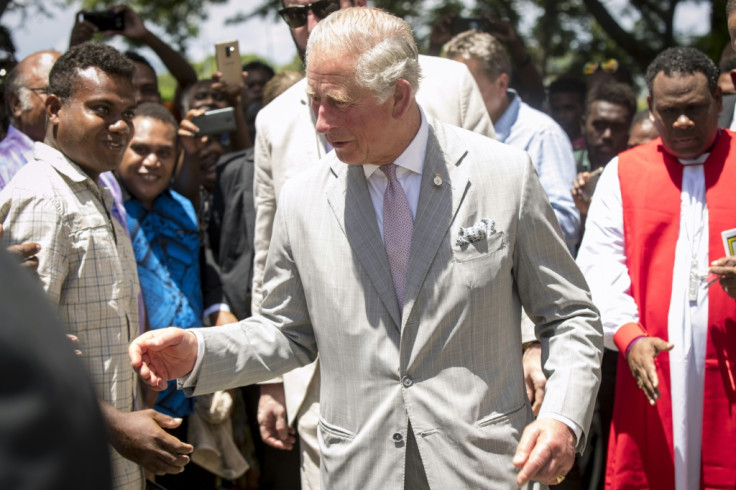
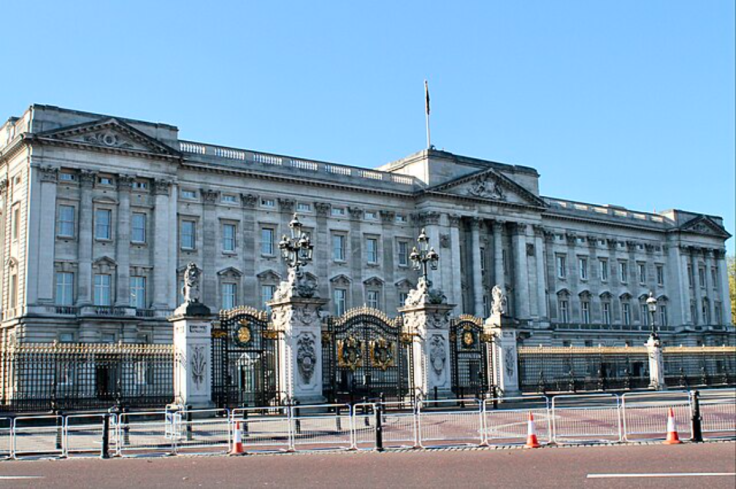
King Charles will not move into Buckingham Palace in London when its £369 million refurbishment concludes next year, royal officials confirmed on Thursday, as newly disclosed financial records revealed the monarch paid £12.9 million in tax in 2024/25. The decision marks a break from nearly 200 years of tradition, with Buckingham Palace long serving as the sovereign's main residence.
Buckingham Palace has been the official London home of Britain's monarch since Queen Victoria took the throne in 1837. When refurbishment work began in 2017, officials expected it would remain the primary residence once modernisation was complete.
Instead, Charles has opted to stay at nearby Clarence House, where he has lived for decades, signalling a quieter but arguably more practical approach to monarchy in a period of growing scrutiny.
King Charles Decision Reshapes Royal Tradition
Buckingham Palace, even after its extensive upgrade to replace ageing wiring, plumbing and heating systems, will function primarily as a working headquarters rather than a home.
James Chalmers, the King's treasurer and keeper of the privy purse, was explicit about that distinction.
'It is and will remain monarchy HQ, the crown jewel of our national buildings, with the sovereign's standard flying proudly from the roof whenever His Majesty is in London,' he told reporters.
The palace remains central to statecraft, hosting foreign dignitaries and major ceremonial events, but the image of a monarch living behind its gates is quietly being retired. Whether that reflects personal preference, cost considerations, or a broader recalibration of royal optics is left unsaid, though it is hard to ignore the timing.
Online, reaction has been mixed. Some commentators on X described the move as 'long overdue,' arguing the palace is too large and costly for modern use, while others questioned why such a vast renovation was undertaken if it will not serve as a residence. A recurring sentiment, bluntly put in one widely shared post, was that the whole situation feels 'a bit mad.'
Financial Records Reveal Scale Of Royal Income
For the first time, officials disclosed the exact amount of tax paid by the King, placing him among the UK's top 100 taxpayers.
Chalmers said Charles paid £12.9 million in tax in 2024/25, following £11.7 million the previous year, and more than £30 million since ascending the throne in 2022. While the monarch is not legally required to pay income, capital gains or inheritance tax, Charles has continued the voluntary practice established by Queen Elizabeth II in 1993.
His private income largely comes from the Duchy of Lancaster, which is expected to generate £25.2 million in 2025/26, as well as from other investments. That income exists separately from public funding through the Sovereign Grant, which supports official duties, palace maintenance and travel.
The grant is set to reach £137.9 million in 2026/27 before being reduced to £100 million from 2027/28, a move Chalmers said reflects 'His Majesty's clear wishes.' Even at the reduced level, it remains significantly higher than before the Buckingham Palace refurbishment was factored into the funding formula.
There are safeguards, Chalmers insisted, adding, 'This is not a blank cheque.' Still, the numbers arrive at a moment when the royal family's financial arrangements are under sharper public scrutiny than at any point in recent memory.
Prince William's finances have also drawn attention. His office confirmed he paid £7.76 million in tax in 2024/25 and directed £1.5 million in rental income from a former prison site to local community projects.
Both William and Charles have faced criticism over reports that royal estates charge rent to public services, including the army and NHS, though officials maintain those arrangements are longstanding and lawful.
On one hand, the voluntary tax payments are presented as evidence of accountability. On the other hand, the scale of royal wealth and its entanglement with public institutions continues to raise uncomfortable questions. Transparency helps, but it does not settle the argument.
And then there is Buckingham Palace itself, newly refurbished at enormous cost, still the symbolic heart of the monarchy, yet no longer a home. It is a striking image of a monarchy trying to modernise without fully letting go of its past, or perhaps unsure how far it can.
© Copyright IBTimes 2026. All rights reserved.
- Recommended For You