UK Mortgage Market Cools as New-Home Approvals Drop 15% in May
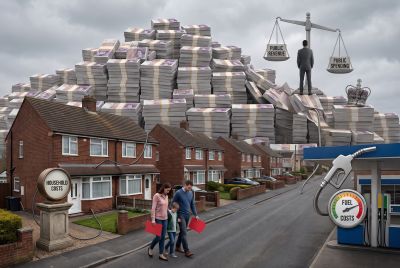
The slowdown is attributed to political uncertainty, higher borrowing costs, and ongoing conflicts increasing inflation and energy prices
British lenders approved the fewest mortgages for house purchases in almost a year and a half in May, as the rush among buyers to lock in home loans before further rate rises lost momentum.
Banks and building societies approved 56,205 home loans during the month, down from 66,034 in April and the lowest monthly total since December 2023, according to the Bank of England's Money and Credit report.
The figure sat well below the average of 63,300 recorded over the previous six months, and undershot the 62,900 approvals forecast by economists polled by Reuters. May's total marked a drop of close to 15 per cent on April.
The effective interest rate on newly drawn mortgages rose to 4.22 per cent in May, up from 4.08 per cent the previous month. The Bank of England has held its base rate at 3.75 per cent for four consecutive meetings as policymakers weigh persistent inflation.
Remortgaging Approvals Tumble as Net Mortgage Lending Slows
Approvals for homeowners remortgaging with a different lender fell to 33,300 in May, down sharply from 51,200 in April.
Net borrowing of mortgage debt by individuals dropped to £2.9 billion ($3.8 billion), from £4.4 billion ($5.8 billion) the previous month. That was below the six-month average of £5.1 billion ($6.7 billion) and the weakest monthly figure in a year. The annual growth rate of net mortgage lending edged up slightly, to 3.4 per cent from 3.3 per cent, while net consumer credit borrowing was little changed at £1.7 billion ($2.2 billion).
Jason Tebb, president of OnTheMarket, linked the slowdown to political and economic uncertainty affecting buyer and seller decisions, as well as to higher borrowing costs. 'The continuing war in the Middle East, which has pushed up inflation and energy prices, has kept the cost of borrowing higher for longer,' he said.
House Prices Defy the Mortgage Approvals Slowdown
Despite the cooling in lending, house prices kept climbing. Average UK house prices rose 3.8 per cent in the year to April 2026, reaching £270,000 ($356,400), according to the Office for National Statistics. It was the strongest annual rate since March 2025, although the ONS said the increase was partly a base effect created by a sharp price fall the previous year.
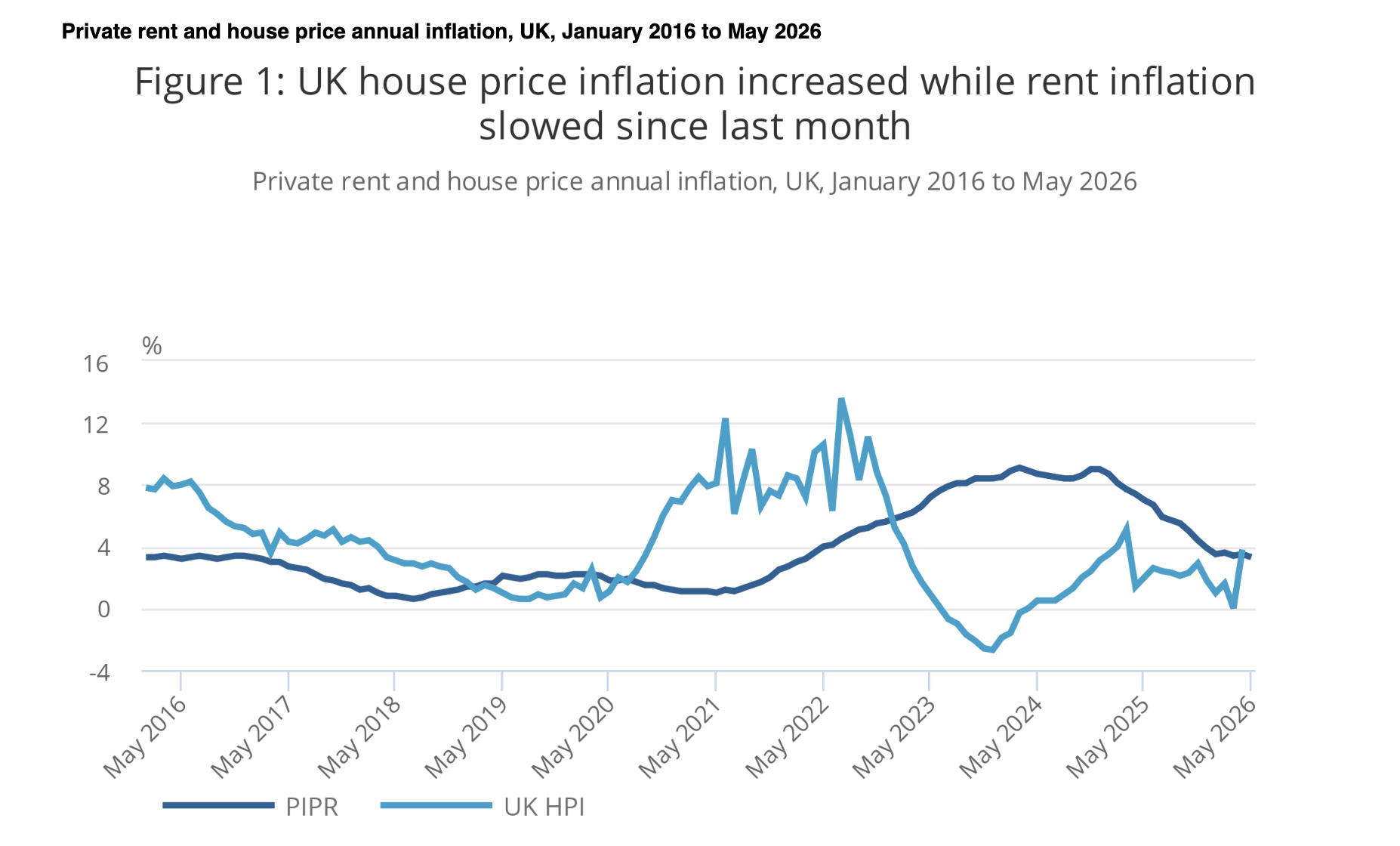
Growth was uneven across the country. Prices rose fastest in the North East, Northern Ireland and the North West, while London recorded an annual fall, according to the official UK House Price Index. The split left first-time buyers facing higher monthly repayments and asking prices that have yet to ease in much of the market.
Lucian Cook, head of residential research at Savills, said the May data marked a turning point after a stronger start to the year. 'After a couple of unexpectedly robust months for mortgage approvals that have sat at odds with other weaker housing signals, May's figure provides something of a reality check,' he said.
Cook said competition had returned to the mortgage market over the past month, alongside an easing in headline fixed rates that should relieve some affordability pressure for new buyers. Lenders have trimmed rates in recent weeks as swap rates, which are used to price fixed deals, have fallen.
Even so, Cook said the wider economic outlook pointed to a subdued housing market for the rest of 2026, with Savills expecting mainstream house prices to fall by 2 per cent this year before growth returns in 2027.
Mortgage approvals are watched as an early indicator of future borrowing, signalling the likely level of completed sales in the months ahead. May's decline followed several months in which approvals had held broadly in line with their long-run average.
© Copyright IBTimes 2026. All rights reserved.
- Recommended For You