

'We Packed Lunches Every Day for 10 Years': How a British Couple Retired at 40 With £1M
Their approach aligns with FIRE, a global movement promoting frugality and investing that grew from Reddit into a worldwide trend
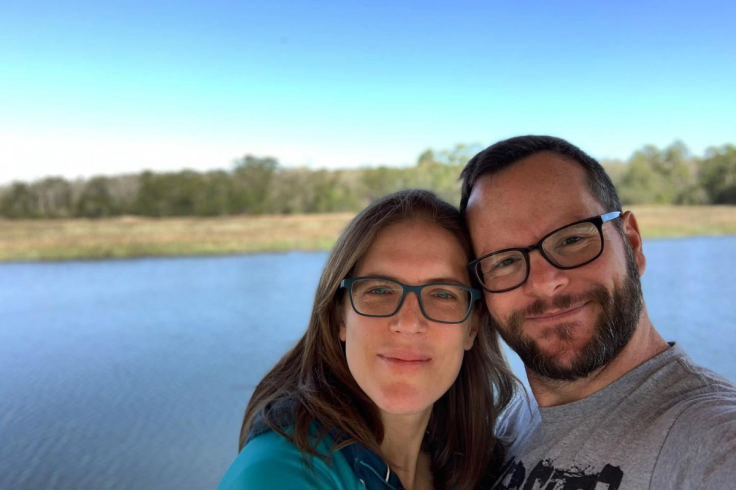
Every winter, Alan and Katie Donegan didn't use their home heating. Instead, they bundled up in extra layers, relied on hot water bottles, and incorporated strict cost-cutting strategies such as packing lunches instead of buying food at work. Their goal was to keep household expenses to a minimum.
'It wasn't suffering, it was strategy,' Alan says. 'We were laser-focused on buying freedom.'
Adapting that disciplined approach eventually allowed them to entirely step away from work as they built £1M in savings, giving them the financial freedom to retire in their 30s and early 40s.
The £40,000 Lunch Habit
One of the most consistent money-saving hacks the Donegans used was also the most basic—packing lunch every day. By resisting the urge to make small impulse buys and avoiding takeaways, minor savings were able to turn into substantial gains over time. According to Alan, that one habit alone was able to rack up to roughly £40,000 in savings in 10 years.
They even took their cost-cutting approach even further by including unconventional strategies such as charging their phone in public places and salvaging unused supermarket vouchers. 'You can decide if that's crazy or genius,' Allan says. 'But it worked.'
From 9 to 5 to Financially Free at 40
The couple's path to financial independence began with solid professional careers. Alan was a landscape gardener, then a life coach, and Katie an actuary in financial services. They prioritised investing instead of letting their income lead to higher spending.
Their approach closely aligns with FIRE — Financial Independence, Retire Early—which is a global movement that encourages extreme frugality and promotes long-term investing. What started as a niche community on Reddit eventually evolved into a global financial trend. However, many critics argue that this model can be increasingly unrealistic for a lot of households because of inflation, rising housing costs, and debt burdens.
A Growing Debate On Retiring Early
There's also a growing debate online over when people should retire. Official data from the UK Office for National Statistics shows that men retire at an average of 65.8 years, while women retire at 64.7. However, the FIRE movement is heading the other way entirely, with people pursuing early retirement through aggressive saving or taking on high-earning overseas jobs.
One example would be 49-year-old teacher Amy Minkley, who retired early at 44 after building a career in international schools in Japan, Singapore, India, and Thailand. She was able to take advantage of the lower costs of living abroad while maintaining a strict spending discipline, building her savings much faster than she ever could if she worked in the United States. 'I wasn't interested in keeping up with a certain expat lifestyle,' she says, emphasising that she preferred a measured approach when it comes to spending and financial planning.
Experts Caution Against All-Or-Nothing Living
Experts say that the FIRE method can work, but it also comes with trade-offs. Carol Schleif of BMO Private Wealth says that early retirement may not automatically be fulfilling. 'If you retire early but don't have friendships, health, or a sense of purpose, you've achieved one goal but sacrificed other things,' she says.
Sarah Coles of AJ Bell says that while saving early helps, extreme frugality isn't necessary and that one should opt for a more balanced approach. According to her, 'A balanced path can get you the retirement you want, when you want it.'
© Copyright IBTimes 2026. All rights reserved.