Rachel Reeves' Future in Doubt: Why Andy Burnham's Rise Could Reshape Labour's Cabinet
Speculation mounts over Reeves' future as Burnham reshapes Labour's cabinet dynamics.
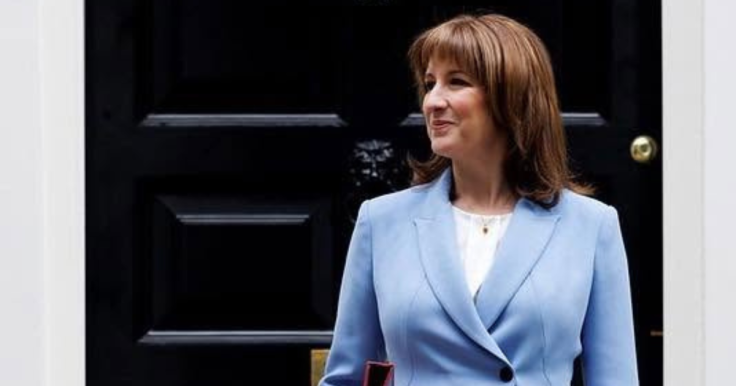
Andy Burnham's growing influence within the Labour Party has intensified political speculation over whether a future leadership transition could reshape senior cabinet positions, including the role of Chancellor Rachel Reeves, as internal discussions continue in Westminster about Labour's post-Starmer direction and potential government restructuring.
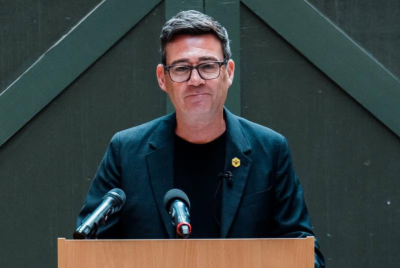
The debate has centred on how a shift in leadership could affect the structure of the UK government's top economic and political offices, with Burnham increasingly viewed as a central figure in shaping Labour's next phase.
Why Burnham Is Now Central to Labour's Power Shift
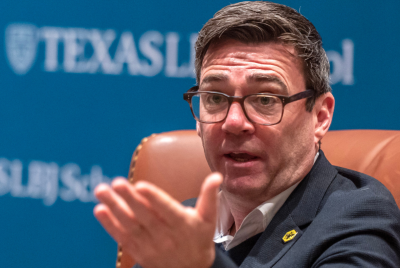
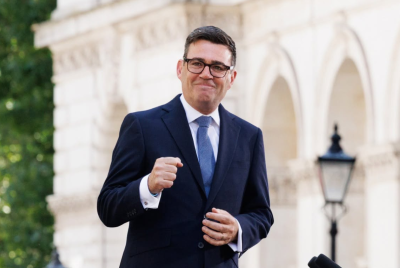
Andy Burnham has emerged as a key figure in Labour's evolving internal dynamics following his return to Westminster and increasing support from sections of the parliamentary party.
According to political reporting on Labour's internal positioning, Burnham's rising prominence has placed him at the centre of discussions about leadership direction and party stability, particularly as Labour navigates a period of transition following Keir Starmer's resignation.
His strengthened position has contributed to growing expectations that a future leadership structure could reflect a shift in internal power balance, particularly in how senior cabinet roles are distributed and aligned.
What Reeves' Position Means in a Post-Starmer Cabinet
Rachel Reeves' role as Chancellor has become a focal point in discussions about potential cabinet continuity under a future Labour leadership.
While Reeves remains in office and continues to oversee economic policy, UK political precedent shows that finance ministers are often among the most closely evaluated figures during leadership transitions due to the strategic importance of the Treasury.
According to Westminster political analysis, incoming leaders frequently reassess senior economic appointments to ensure alignment with their fiscal priorities, political strategy, and governing agenda.
This has placed Reeves' future position within wider speculation about how a restructured cabinet could emerge under a new leadership direction.
Will Labour's Cabinet Be Redrawn?
Leadership transitions in UK politics typically result in a recalibration of cabinet structure, balancing continuity in government operations with the introduction of new political priorities.
In this context, Burnham's rising influence has intensified discussion over whether a future cabinet would maintain existing structures or undergo significant reorganisation across key ministries.
The Treasury, Home Office, and other senior departments are traditionally among the most closely reviewed portfolios during leadership changes, reflecting their central role in economic stability and domestic governance.
However, no formal reshuffle plans have been confirmed, and current discussions remain part of broader internal transition speculation.
Power Shift Reveals Labour's Changing Balance
The growing focus on Burnham and senior cabinet positions reflects a wider shift in Labour's internal political balance as the party navigates leadership uncertainty.
Attention has increasingly moved from individual leadership speculation to broader questions about how power would be distributed within a future administration and which figures would shape key policy areas.
Reeves remains in post as Chancellor during this period, with government functions continuing under the existing cabinet structure while internal discussions evolve.
What Comes Next for Labour
As Labour continues to navigate a sensitive internal transition period, attention is expected to remain focused on leadership direction and potential implications for cabinet composition.
Rachel Reeves' future role now sits within that broader uncertainty, as political momentum builds around how a future leadership structure under Andy Burnham could reshape senior government positions.
For now, no formal changes have been announced, but Westminster discussion continues to centre on how leadership dynamics could influence the next phase of government organisation and economic strategy.
© Copyright IBTimes 2026. All rights reserved.
- Recommended For You