Labour's Andy Burnham Wants to Shift Power Across Britain But Faces One Big Question: Who Gave Him the Mandate?
Burnham's succession as Prime Minister sparks debate over legitimacy and calls for a fresh election.

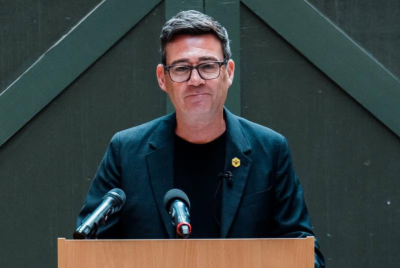
Andy Burnham is poised to enter Downing Street with sweeping plans to shift power out of Westminster and into England's regions, despite never having faced voters as a would‑be prime minister at a general election. Before he can begin his promised overhaul of how Britain is run, one challenge threatens to overshadow his first days in office: who gave him the mandate to do it?
Burnham is expected to become Britain's next prime minister following Sir Keir Starmer's departure, inheriting Labour's parliamentary majority and using it to drive a far more radical devolution agenda than the party set out at the last election. That transition may be constitutionally valid, but critics argue legality is not the same as legitimacy, particularly for a leader promising far‑reaching procedural change.
Why Andy Burnham Is Becoming Prime Minister
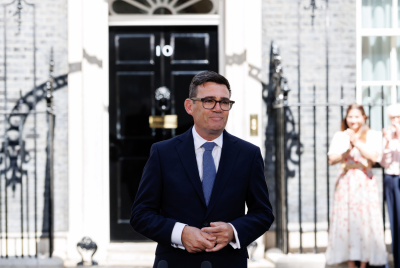
Burnham's rise comes after Starmer's exit from No. 10, the official residence and office of the UK prime minister at 10 Downing Street in London. Under Britain's parliamentary system, a governing party does not automatically need to hold a general election when replacing its leader mid-term.
As long as Labour retains the confidence of the House of Commons, the party can appoint a new leader who then becomes prime minister. In practical terms, Burnham would inherit the parliamentary majority secured under Starmer during the last general election.
That constitutional mechanism is well established in British politics. However, Burnham's critics argue this succession is unusual because of the scale of reforms he intends to pursue.
Former Cabinet Secretary Simon Case, now Lord Case, has emerged as one of the most prominent voices calling for a fresh election. Case served as the UK's most senior civil servant, advising multiple prime ministers on legal framework and governmental matters.
Lord Case argued Burnham should seek direct public approval before pursuing structural changes that could alter the balance of power across Britain.
Let’s make it happen… pic.twitter.com/63xxwOduuL
— Andy Burnham (@andyburnham) June 29, 2026
Burnham's Bid To Rewire Britain From Westminster To The North
At the centre of the row is Burnham's pledge to fundamentally redistribute political power away from Westminster and towards England's regions, a programme he says could transform how Britain is governed. Supporters see it as overdue reform. Opponents argue such changes should first be endorsed by voters.
Burnham has made devolution the defining mission of his premiership. His central argument is that Britain remains too concentrated around London and Westminster, leaving cities and regions with insufficient control over their own economic futures.
He has proposed handing greater authority to metro mayors and local administrations, giving regions more control over transport, housing, skills and economic development. Burnham has framed the agenda as an effort to 'rewire Britain'.
One of his most symbolic proposals involves creating a major northern power base connected to No. 10, effectively shifting part of the government's operational centre closer to cities such as Manchester. The idea is intended to demonstrate that decision-making should no longer be dominated solely by Westminster.
For Burnham, Britain needs a new political settlement that better reflects regional needs and reduces entrenched inequalities.
Why Calls For An Election Are Growing Louder
Burnham is not legally required to call an early general election.
Britain's uncodified constitution does not require a newly appointed prime minister to seek immediate electoral approval. Labour's majority remains valid until the next scheduled election unless Parliament is dissolved earlier.
Burnham has also indicated he intends to govern until the next planned national vote rather than trigger an early contest.
The pressure for an election is therefore political, not legal.
The core argument from critics is straightforward: Labour won its mandate under Starmer, not Burnham. If Burnham intends to pursue a substantially different governing agenda, especially one involving major constitutional reform, they argue he should first obtain a fresh mandate from voters.
For supporters, Burnham's authority comes from Labour's parliamentary majority and the conventions of British government. For critics, constitutional legitimacy alone may not be enough when the proposed changes could reshape the country for decades.
As Burnham prepares to take power, that tension is likely to define the opening chapter of his premiership.
© Copyright IBTimes 2026. All rights reserved.
- Recommended For You