10 Years of Brexit: What Britain Gained, What It Lost and Why the Country Remains Divided
Exploring the impact of Brexit on the UK a decade later
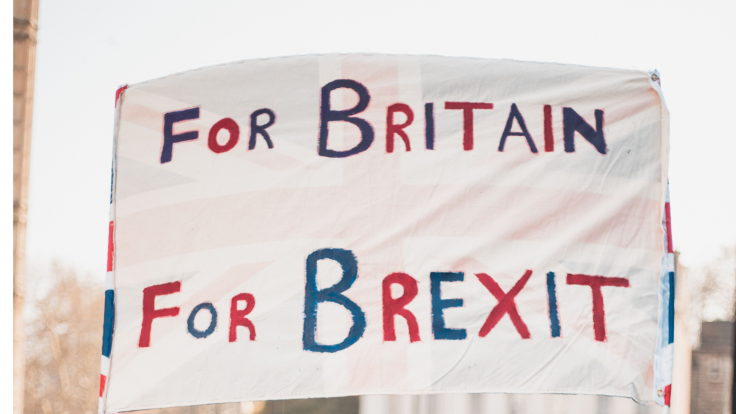
On 23 June 2016, 51.89% of British people voted to leave the European Union, while 48.11% voted to stay. Now that a decade has passed, was the majority right in leaving the 27-nation union?
'I believe, more passionately than ever, that we were right," said former Prime Minister Boris Johnson during the 10-year anniversary of Brexit. He was the main proponent of the 'Leave' vote.
What It Gained – Freedom
Freedom is certainly the main benefit for the UK, as it doesn't have to depend on the rest of the European nations to decide on national matters like trade and immigration. But that is something that only leaders will feel. How about the average Briton?
In a new poll commissioned by the European Council on Foreign Relations, the majority of British people consider Brexit a 'disaster.'
'Brits have realised that their hopes for life outside the EU have not been fulfilled. Brexit itself is not the status quo, and they have turned against it,' it stated.
Based on the poll, 66% of Britons say Brexit has negative effects on the cost of living, 65% say the same about the economy, and 57% and 56% say the move didn't do much for opportunities for young people and for illegal immigration, respectively.
The same poll found that 70% of them would want to go back to the EU if there were another referendum.
London Mayor Sadiq Khan agreed, saying, 'Nearly a decade on from the Brexit referendum, the economic damage has been substantial. With rising global instability, the UK rejoining the EU would help drive growth and deliver economic prosperity.'
Nearly a decade on from the Brexit referendum, the economic damage has been substantial.
— Sadiq Khan (@SadiqKhan) June 22, 2026
With rising global instability, the UK rejoining the EU would help drive growth and deliver economic prosperity ⬇️ pic.twitter.com/UTlKCBh0Sq
Brexit: Seven PMs in 10 Years
Many believe that Brexit is the reason why there have been seven prime ministers in the past 10 years. This, after Prime Minister Keir Starmer announced his resignation on Monday, 22 June.
'Ungovernable Brexit Britain will have had seven PMs in the last 10 years. Maybe, just maybe, it's not really about the quality of the former occupants,' said Pete Wishart, MP for Perth and Kinross-shire.
Brexit was supposed to start a domino effect, which led to the conception of Frexit (France), Nexit (Netherlands), and Swexit (Sweden). But none of these materialised.
'The Brexit experience was so damaging, so costly, so complicated, so complex, that the appetite for that across the EU is very, very, very, very, very, very little,' said Michael Roth, former member of the German Bundestag and a staunch supporter of the EU.
What It Lost – Access
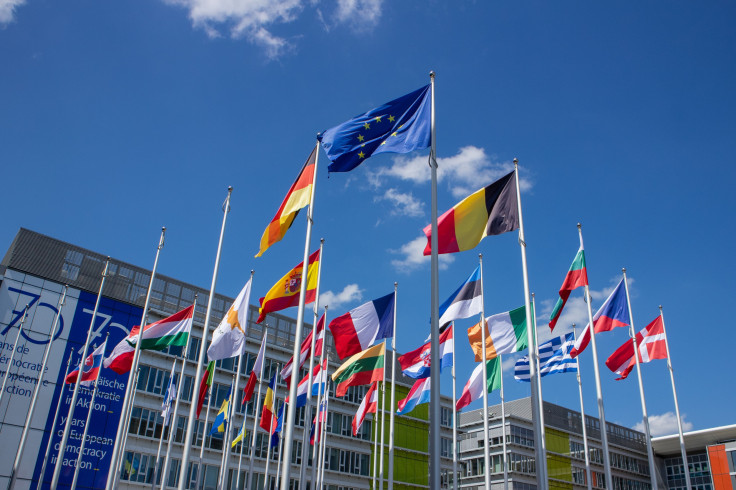
The UK is now less accessible to non-citizens, who are also not as free to live and stay in neighbouring countries. It is a double-edged sword.
In terms of migration, the UK is enforcing stricter visa requirements. But that also means the territory will make it harder for other Europeans to work in the UK. It showcases a loss of culture and skills exchange.
A Geordie shared on social media, 'Marine environment—we protect our waters now. Our waters are not overfished by foreign boats.'
A retiree also counters, '10 years ago, your children could just go live and work anywhere in Europe. And you could retire there. Now, they can't and neither can you. That's freedom, is it? Well done, Brexit voters.'
It's been 10 years but Brexit remains a divisive issue among Britons.
© Copyright IBTimes 2026. All rights reserved.
- Recommended For You