Andy Burnham's Immigration Stance Clashes With Labour as New Asylum Bill Is Branded 'Performative Cruelty'
Controversial proposals include repayment scheme for refugees and new appeals authority
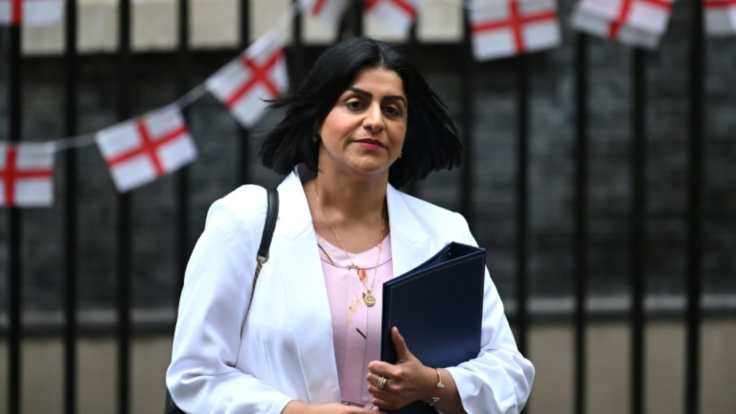
Home Secretary Shabana Mahmood has unveiled Labour's proposed Immigration and Asylum Bill, prompting criticism from refugee charities and senior Labour figures over plans to tighten parts of the UK's asylum system. Among the proposals is a means-tested scheme requiring some recognised refugees to repay up to £10,000 ($13,242) for state-funded accommodation before becoming eligible for settled status.
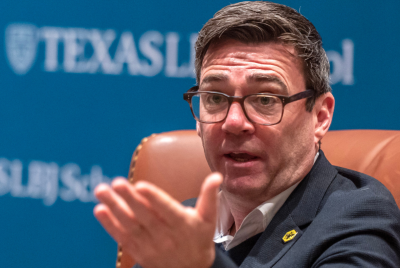
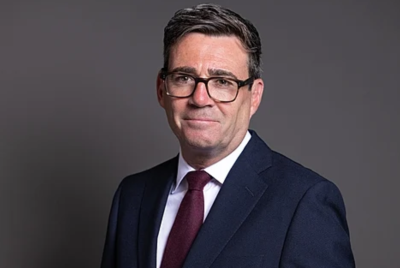
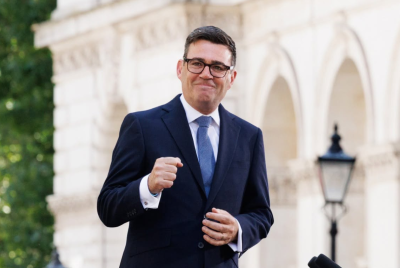
The proposals have also exposed differences within Labour over immigration policy, with Greater Manchester Mayor Andy Burnham continuing to advocate a more locally led approach to asylum dispersal. Burnham has called for local authorities to play a larger role in refugee resettlement while criticising the concentration of asylum accommodation in lower-income communities.
Labour peer Lord Alf Dubs, who arrived in Britain as a child refugee through the Kindertransport, described parts of the bill as 'performative cruelty'. The Home Office said the reforms are intended to create a faster and fairer asylum system while reducing pressure on public finances and improving the removal of people whose asylum claims have been refused.
Proposed Changes to the Asylum System
Under the proposed legislation, recognised refugees who later earn above a set income threshold would be required to repay the cost of accommodation and financial support provided while their asylum claims were processed. Ministers said repayments would operate in a similar way to student loan deductions, with settlement unavailable until the balance had been repaid.
The bill also proposes creating an Independent Immigration Appeals Authority from 2027. The new body would replace the current appeals process with professionally trained adjudicators appointed from a range of backgrounds. Ministers said the changes are intended to speed up asylum decisions while allowing higher-priority cases to be dealt with more quickly.
The Home Office has also set a target of increasing removals of failed asylum seekers and foreign offenders while reducing the backlog of outstanding asylum claims.
🚨 NEW: Home Secretary Shabana Mahmood exclusively tells Politics UK that asylum seekers will "repay this country's generosity" by paying back their asylum support pic.twitter.com/weFPN3c1sL
— Politics UK (@PolitlcsUK) June 29, 2026
Burnham Offers a Different Approach
Burnham has previously argued that the government's asylum dispersal system places a disproportionate burden on towns and cities where housing costs are lower, resulting in some communities accommodating significantly more asylum seekers than others.
Rather than relying heavily on hotel accommodation, Burnham has called for local authorities to play a larger role through community sponsorship schemes and local resettlement partnerships.
British Future director Sunder Katwala said Burnham's approach places greater emphasis on local consent and community participation than Labour's proposed reforms. He said the model would give councils more influence over refugee integration while reducing reliance on emergency accommodation.
Charities Raise Concerns
Refugee organisations and migration experts also criticised several of the proposed reforms. Praxis said replacing immigration judges with civilian adjudicators risked increasing mistakes in asylum decisions, while warning that speeding up appeals should not come at the expense of due process.
Dr. Madeleine Sumption, director of the Migration Observatory at the University of Oxford, questioned how much revenue the accommodation repayment scheme would generate. She said relatively few refugees were likely to earn enough to repay a significant proportion of the debt and suggested the policy could discourage some people from entering work once they had been granted refugee status.
How do you get freeloading economic migrants posing as asylum seekers to pay for their accommodation?
— Tommy Robinson 🇬🇧 (@TRobinsonNewEra) June 30, 2026
The Government said it spent £4 billion on accommodation and support for asylum seekers last year, and the Home Office estimates the average cost per person per night of… pic.twitter.com/7dlo1abgjP
The Immigration and Asylum Bill is expected to begin its parliamentary stages this week. Ministers said the reforms are intended to modernise the asylum system and strengthen public confidence, while opponents argue several measures could make refugee protection more restrictive. The proposals will now face parliamentary scrutiny before any of the measures can become law.
© Copyright IBTimes 2026. All rights reserved.
- Recommended For You