

Burnham's Under-16 Social Media Ban Plan Faces Push for Added VPN Restrictions
Debate intensifies over VPN restrictions in UK's proposed under-16 social media ban
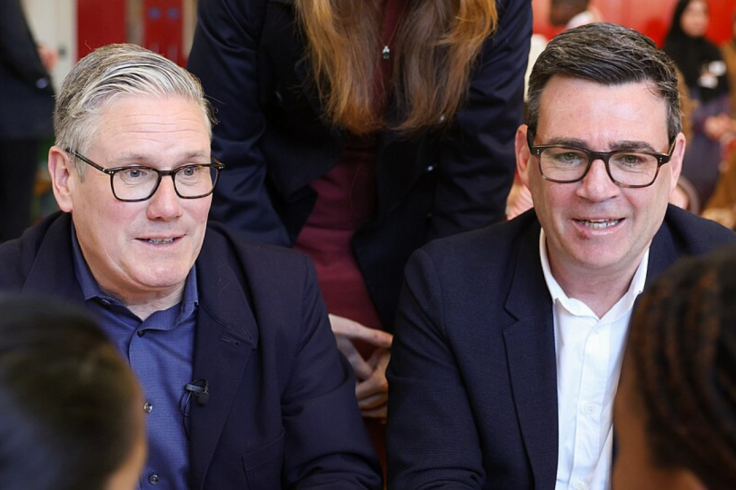
Andy Burnham has not yet taken office, but he already faces pressure over a policy he is about to inherit. Some of his fellow MPs want VPN restrictions written into his under-16 social media ban before the bill is finalised.
The disagreement centres on a simple technical gap. A VPN can mask a user's location, and the under-16 ban relies on knowing where someone is connecting from to enforce it.
Why VPNs Are the Sticking Point
A VPN, or virtual private network, reroutes a user's internet connection through a server elsewhere. That can mask a person's real location and defeat the age or location checks that apps and websites use to enforce restrictions.
Some parliamentarians have already called for VPN restrictions to be added to the bill directly. Their argument is that without covering VPNs, the ban could be undone by any teenager willing to download a free app.
For a ban built around knowing where a user is connecting from, the VPN loophole is a serious gap.
🚨 BREAKING: Andy Burnham has confirmed that he will introduce restrictions on VPNs under his leadership.
— The Mercian (@TheMercianNews) July 6, 2026
Tech Secretary Liz Kendall has said that "Andy is committed to keeping kids safe online, and has been vocal in his support of age restrictions for kids using social media."… pic.twitter.com/KmZNbEZDdB
The Australia Problem
The push is understood to be driven by what has already happened elsewhere. Around 60% of young people in Australia claim they are bypassing that country's own under-16 ban.
That is the cautionary tale shaping the UK debate. If a simple, free app can undo months of legislative work, MPs reportedly want the loophole closed from day one rather than patched later.
Burnham himself has not confirmed any plan to restrict VPNs specifically. What he has said publicly is about the underlying ban itself.
Burnham's Own Words On the Ban
Burnham said in April 2025 that 'it's clear that from a mental health point of view this is harmful'. He added, 'why are we equivocating? If it's not a ban it needs to be something. We've got to start to think differently about tech'.
That was said before he was anywhere near Downing Street, and he is unlikely to change course now that implementation falls to his government.
What This Could Mean for Everyday VPN Users
There is currently no way to restrict VPN access by age alone. Providers cannot verify who is on the other end of a connection before granting access to it.
That means any restriction wide enough to stop a determined teenager would likely have to apply far more broadly than just to under-16s. Millions of UK adults use VPNs daily, often for reasons that have nothing to do with social media.
Common examples include securing connections on public Wi-Fi, accessing work systems remotely, or protecting small business data.
None of that detail has been settled. The bill has not yet been published, and no minister has explained publicly how VPN enforcement would actually be carried out, or by whom. Would internet service providers be required to block VPN traffic? Would the ban rely on app stores to restrict downloads? The technical and legal questions multiply faster than the political answers.
The under-16 social media ban is among the most ambitious pieces of internet regulation the UK has attempted. How VPN access is handled will likely decide whether the policy holds up in practice, or faces the same bypass problem already seen in Australia.
© Copyright IBTimes 2026. All rights reserved.