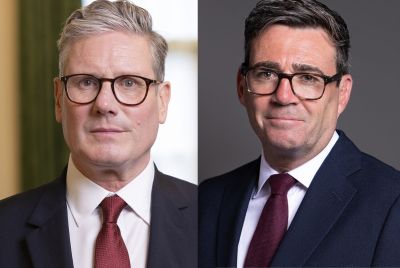
Keir Starmer's Turbulent Career: The Highs and Many Crushing Lows That Led To His Downfall
Exploring the highs and lows of Keir Starmer's tenure as Labour Party leader
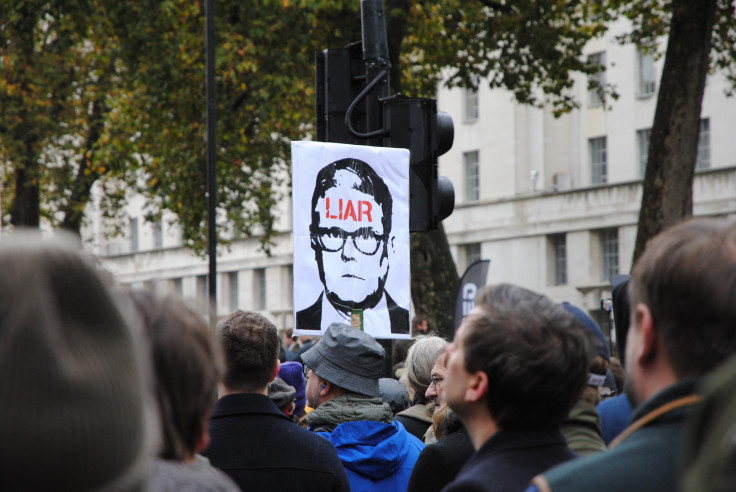
Resigning after 717 days in office is not too bad for Keir Starmer, considering Liz Truss was only Prime Minister for 49 days.
But why was Starmer unloved?
That wasn't always the case, as Starmer led the Labour Party to a landslide victory during the 2024 general elections. He was instrumental in ending the Conservatives' hold in the House of Commons. The party became the largest in England, Scotland, and Wales, which has always been the case.
Starmer brought stability to the British Government in the early days. He was largely seen as the champion of the Employment Rights Act of 2025, which includes a ban on zero-hour contracts and protects laborers from the "fire and rehire" tactics of many employers.
He also put an end to no-fault evictions through the Renters Rights Act.
Another important milestone for the Prime Minister was implementing stricter legal immigration policies, resulting in a net migration of just 171,000. Immigration reached close to a million during the administration of the Conservative Party.
U-Turn on Winter Fuel Payments
Perhaps one of the most criticized moves from the Prime Minister was his cut down on winter fuel payments. Some 10 million pensioners became ineligible to receive up to £300 ($397.21) as the aid became means-tested.
Starmer was committed to lowering the threshold so that more pensioners would qualify. But he stepped down from office Monday 22 June, before this would materialize.
'I have heard the answer from my parliamentary party. I accept that answer with good grace. I will resign as leader of the Labour Party,' Starmer said in his resignation speech, an admission against the growing dissatisfaction from his own party.
One of the many complaints against Starmer is his communication skills. He failed to properly share his message across and was not always stern with his political ideologies.
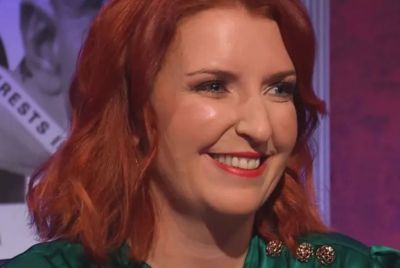
Culture Secretary Lisa Nandy lightheartedly calls him "Mr Rules" for being a stickler to the process and for being strict. However, he was never strict enough to follow through with his campaign promises.
Broken promises
One of the promises "Mr Rules" quickly reneged on was the commitment not to increase taxes on working people, specifically the National Insurance. Chancellor Rachel Reeves raised the National Insurance Contributions during her first budget in office.
It was a matter of semantics with the Labour Party arguing that the increase would only affect the employers and not the employees. Again, this is what critics meant when they said Starmer doesn't communicate his message well.
🇬🇧 Keir Starmer Approval Rating Decline
— World of Statistics (@stats_feed) June 22, 2026
Jul 2024: 35-38%
Aug 2024: 30-34%
Sep 2024: 25-30%
Oct 2024: 25-30%
Nov 2024: 20-25%
Dec 2024: 20-25%
Jan 2025: 20-25%
Feb 2025: 22-29%
Mar 2025: 22-29%
Apr 2025: 20-25%
May 2025: 20-25%
Jun 2025: 20-23%
Jul 2025: 20-23%
Aug 2025: 22%… pic.twitter.com/7XrPA1C0Ov
Starmer's approval rating was consistently in decline, according to a tweet from the World of Statistics. His approval rating was between 35% and 38% when he first took office. This month, it was down to 18% to 19%.
At least, it wasn't as bad as his predecessor, Rishi Sunak, who left office with a -56 approval rating. Liz Truss, who also holds the record for the shortest-serving prime minister, left the office with a -70 approval rating.
In a speech in May, Starmer made another commitment to his party to open more jobs for young people and to forge closer ties with Europe. However, it was also a time when the Labour Party experienced massive local election losses.
Many of his partymates thought it was a little too late.
| How long were Keir Starmer's predecessors in power? | |
| Rishi Sunak | 619 days |
| Liz Truss | 49 days |
| Boris Johnson | 1,140 days |
| Theresa May | 1,106 days |
| David Cameron | 429 days |
© Copyright IBTimes 2026. All rights reserved.
- Recommended For You