From Landslide to Exit: How Keir Starmer Became Britain's Shortest-Lived Political Miracle
Starmer's unexpected resignation marks the end of a brief yet impactful tenure as Labour leader and Prime Minister
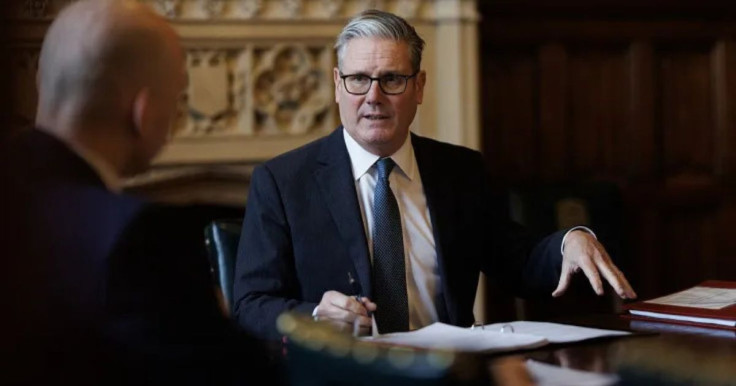
Just two years ago, Sir Keir Starmer appeared untouchable. After leading Labour to a commanding victory in the 2024 general election, Starmer returned the party to power for the first time since 2010, ending 14 years of Conservative-led government. Few political figures in modern Britain had engineered a turnaround as dramatic.
Yet on 22 June 2026, Starmer announced he would step down as both prime minister and Labour leader, bringing an abrupt end to one of the shortest premierships in recent British history. His departure came after months of internal unrest, poor election results, and growing concerns among Labour MPs that he could no longer lead the party into the next national contest.
The Rise that Rebuilt Labour
Starmer inherited a Labour Party that had suffered a crushing defeat in 2019 and faced questions about its future direction. Over the following years, he focused on restoring discipline, repairing Labour's public image, and presenting the party as a credible alternative government. Those efforts eventually paid off when Labour secured a landslide victory in 2024.
For many supporters, the election result represented a remarkable political comeback. Labour's success was built not only on dissatisfaction with the Conservatives but also on Starmer's promise of stability after years of political turmoil. The victory gave him one of the largest parliamentary majorities seen in recent decades.
The scale of the win created enormous expectations. Voters expected rapid improvements in public services, economic growth, and living standards. Starmer entered Downing Street with political capital that many leaders could only dream of possessing.
Trouble Begins to Build
The glow of victory did not last long for Starmer. As his government settled into office, critics inside and outside Labour began questioning whether Starmer had a clear vision for the country. Policy reversals and internal disagreement fuelled concerns about the government's direction.
By spring 2026, pressure had intensified. Several ministers resigned, while prominent Labour figures openly discussed leadership alternatives. Reports indicated that some MPs believed the party was losing touch with voters and failing to deliver the change promised during the election campaign.
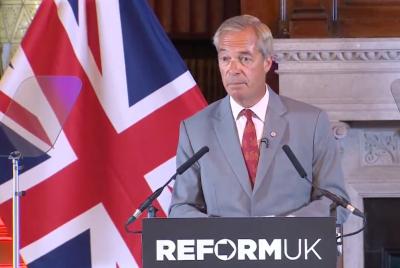
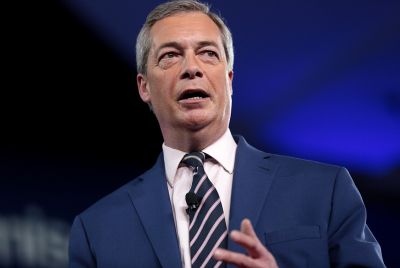
Adding to Labour's problems was the growing strength of Nigel Farage's Reform UK. The party's rise alarmed Labour strategists and increased fears that Starmer was losing public support at a dangerous moment.
The Rapid Fall of a Political Miracle
The final blow came after disappointing local election results and mounting calls from within Labour for a change at the top. Reports suggested that more than 100 MPs wanted Starmer to set out a timetable for his departure. The pressure eventually became impossible to ignore.
Addressing the nation outside No. 10 on Monday, Starmer said he had accepted the view of Labour's parliamentary party that a new leader should take the party into the next general election. Framing the move as an act of public service, Starmer confirmed he would resign as Labour leader after concluding it was the right decision for the country.
'The question my party is asking now is whether I am best placed to lead us into the next general election,' Starmer said standing outside Downing Street on Monday. 'I have heard the answer of my parliamentary party to that question, and I accept that answer with good grace. Every decision I have taken has been about putting the country I love first, that is why I will resign as leader of the Labour party,' he continued.
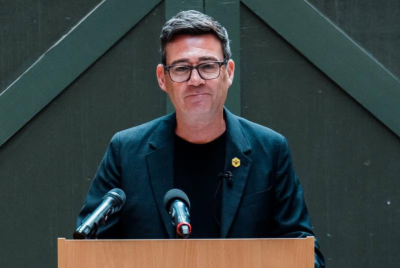
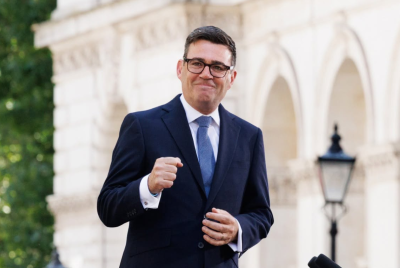
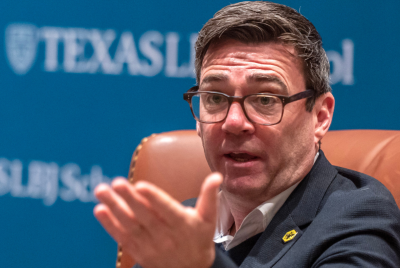
His resignation cleared the path for Andy Burnham, who is widely expected to become Labour's next leader and Britain's next prime minister. Burnham's recent return to Parliament strengthened his position and gave Labour MPs a ready-made successor.
Starmer's political story will be remembered for its remarkable contrast. He once rescued Labour from opposition, delivered a historic election victory, and then watched his authority disappear in less than two years. What once looked like the beginning of a long chapter in British politics instead became one of its shortest success stories.
© Copyright IBTimes 2026. All rights reserved.
- Recommended For You