

'She Prefers Access': Anna Wintour Caught in Taylor Swift Row as Vanity Fair Faces Backlash
Wintour reportedly distances herself as Condé Nast faces fallout over Swift profile
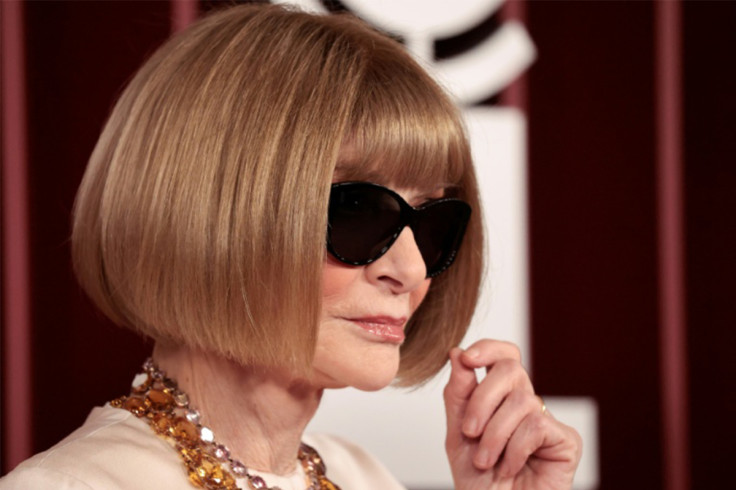
Anna Wintour is reportedly keeping her distance from Vanity Fair's controversial Taylor Swift profile as the feature creates unease within its parent company, Condé Nast. The Vogue editorial chief is said to have reservations about the fallout and is reportedly concerned about the damage it could do to relationships with major celebrities.
According to Page Six, a source familiar with the situation claimed Wintour 'doesn't want to be involved in any of this.' Another insider offered a brief explanation of her alleged approach to celebrity relationships: 'She prefers access.'
It is important to note that Wintour holds senior editorial positions across Condé Nast, which owns both Vogue and Vanity Fair. She is the company's chief content officer and global editorial director of Vogue, while Chloé Malle leads Vogue US as its head of editorial content. Meanwhile, Vanity Fair's global editorial director, Mark Guiducci, is reportedly standing by the decision to publish the profile.
Anna Wintour Reportedly Wants No Part in Dispute
Wintour's connection to the controversy goes beyond her position at Vogue. She appointed Guiducci as Vanity Fair's first global editorial director in June 2025. He previously served as Vogue's creative editorial director.
Page Six also reported that Malle was concerned about unnecessarily damaging Condé Nast's relationship with Swift. A source claimed she questioned the need for a critical profile, saying there was 'nothing there' in the first place.
A source told the outlet: 'It's creating a lot of confusion that Condé is going after her in such an aggressive way for no reason.'
The concern reportedly goes beyond the immediate backlash. Swift could be a major attraction for Vogue, whether through a future cover or an appearance at the Met Gala. Antagonising the singer could make those opportunities harder to secure.
However, representatives for Wintour and Vogue denied the allegations, telling Page Six that 'there is no truth to any of it.' The report also noted that Wintour knew about the feature before publication.
Vanity Fair Faces Backlash Over Its Taylor Swift Profile
The disagreement follows the publication of The Mastermind, a lengthy profile by journalist May Jeong that examines Swift's childhood, career, relationships and public image.
The feature draws on interviews with more than 100 people connected to the singer, including former classmates, teachers and music industry figures. It revisits Swift's school years, questions some of her recollections about feeling excluded and includes allegations from anonymous sources about her behaviour towards professional rivals.
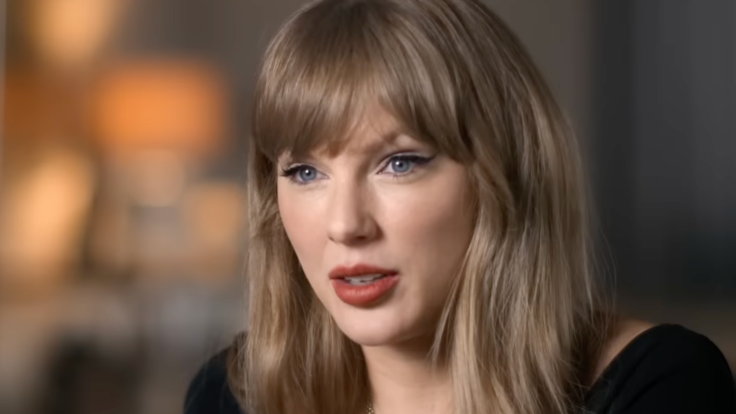
Rather than naming the singer directly throughout, the article refers to her as 'The Star' and 'The Mastermind.' Its approach has started debate about the reliability of anonymous accounts and the decision to revisit incidents from decades ago. Critics have questioned what the interviews actually establish, particularly when the people making some of the claims are not identified. Swift declined to comment during the magazine's reporting process.
The controversy is particularly significant because Swift has become one of the most commercially influential figures in entertainment. Her relationship with major publications can bring considerable attention. The fallout therefore raises questions beyond the merits of one magazine feature.
Mark Guiducci Stands by Vanity Fair's Editorial Decision
Despite the backlash, Guiducci is reportedly pleased with the attention the feature has generated. Page Six sources said he initiated the project himself and understood the risks of publishing such a critical account.
One source described his approach, saying: 'He wants to be willing to go after people when the story is there.' The decision appears to have delivered the attention Guiducci wanted.
An insider at Condé Nast praised him for giving Vanity Fair 'a totally new lease on life,' claiming the magazine had attracted fresh readers and continued to grow its subscriptions.
Speculation that his position could be under threat also surfaced. However, a Vanity Fair spokesperson dismissed the suggestion as 'categorically false,' while another insider described him as a 'golden boy' at Condé Nast.
For the magazine, the immediate attention may be welcome, but the more difficult question is what the profile has achieved beyond generating clicks. Provocative journalism can challenge powerful figures, but it must also withstand scrutiny over its evidence and fairness.
© Copyright IBTimes 2026. All rights reserved.