

Biographer Says Donald Trump Realises Voters Think He Is 'Incompetent and Loathsome' After Defeat
A bruising electoral defeat leaves Donald Trump facing a choice between protecting his political image and negotiating with his opponents
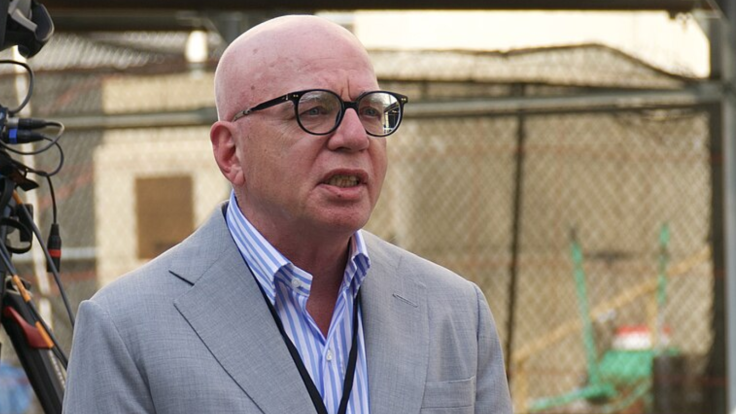
Biographer Michael Wolff claims President Donald Trump faces a severe political rebuke after Democrats' 3 November midterm victories in the United States as he described what he believes voters were saying about the president as 'incompetent and loathsome'.
The remarks followed an election in which Democrats won control of both the House of Representatives and the Senate. Their majorities will take effect when the new Congress convenes on 3 January 2027, creating fresh obstacles for Trump's remaining two years in office.
Speaking to Joanna Coles on the Inside Trump's Head podcast, Wolff argued that the Republican losses challenged Trump's carefully cultivated public image. His comments were an assessment of the election, not evidence that Trump shares his interpretation.
Donald Trump Confronts a Blow to His Political Image
Wolff called the result an 'existential moment' in Trump's presidency, suggesting the defeat represented a broad rejection extending into the Republican Party.
He portrayed Trump as a politician whose sense of success depends heavily on attention and public stature. In Wolff's view, losing congressional control could provoke an effort to project even greater strength rather than reconsider the administration's approach.
The defeat also exposed pressures beyond the president's personality. High living costs and the war with Iran featured among the issues influencing voters, while Democrats promised to focus on affordability and scrutiny of the administration.
Trump acknowledged that the Iran conflict had damaged Republican prospects but defended his decision to pursue it. He also suggested Republicans might have performed better had he personally been on the ballot.
He was not. The midterms were congressional elections, and Wolff's description cannot be taken as a uniform judgement shared by all voters.
Still, the institutional consequences are clear. Democrats will be able to set committee agendas, hold hearings and pursue investigations when the new Congress takes office. They will also have greater leverage over legislation and spending.
Why Donald Trump Might Resist Compromise?
Wolff contrasted Trump's likely response with that of presidents who turn to political opponents after a midterm setback. Such negotiations can produce legislation even when neither party controls Washington outright.
But he argued that Trump puts greater weight on 'the attention he receives and the persona he maintains' than on bills passed through Congress.
Wolff predicted a more combative public performance, invoking Trump's familiar fighting imagery and comparing his projected self-presentation with that of a UFC champion. That was a forecast, not an announced White House strategy.
Trump's own comments suggest the choice is not settled. After the results, he said he was willing to work with Democrats and did not want to spend two years vetoing everything. He has also emphasised his power to reject legislation he opposes.
That tension matters because Democrats have not secured the two-thirds majorities needed to override presidential vetoes on their own. Substantial legislation may therefore require negotiations, despite the election's decisive shift in congressional control.
Democrats are also preparing oversight of administration policies, including immigration enforcement. Such scrutiny could increase political pressure, although the prospect of an investigation is not evidence of wrongdoing.
Wolff warned that the consequences of Trump's Iran policy could extend beyond his presidency. Whether that happens, like his prediction of intensified confrontation, remains to be seen
© Copyright IBTimes 2026. All rights reserved.