Bruce Springsteen Slams Trump and His 'Goons' in Explosive Stephen Colbert Appearance: 'Can't Take A Joke'
Springsteen used one of Stephen Colbert's final Late Show episodes to condemn Donald Trump and CBS's billionaire owners

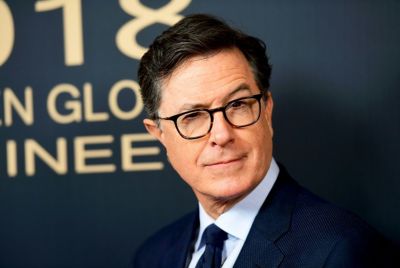
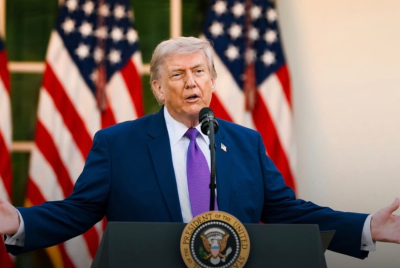
Bruce Springsteen tore into Donald Trump and the billionaire owners of CBS on Wednesday night in New York, using one of the final episodes of The Late Show with Stephen Colbert to accuse the President of being unable to 'take a joke' and branding his allies 'small-minded people.'
The appearance came after the shock cancellation of Colbert's late-night show, announced last July.
The decision was immediately read by media critics as a political and corporate manoeuvre rather than a simple programming change, arriving just as Larry and David Ellison were pursuing a high‑stakes merger of Paramount Global, CBS's parent company, with Skydance. That deal later received approval from the Trump administration, fuelling suspicions that trimming one of late‑night TV's most persistent Trump critics had been a useful gesture.
Bruce Springsteen takes jab at Trump, Paramount during Stephen Colbert's second-to-last 'Late Show' https://t.co/UzsaxccE4u pic.twitter.com/ksyK3BmYgD
— New York Post (@nypost) May 21, 2026
Bruce Springsteen Backs Colbert And Targets Trump On Live TV
Bruce Springsteen did not dance around any of that when he walked out onto Colbert's stage for the penultimate Late Show broadcast. Standing beside the host, he framed his entire appearance as an act of solidarity.
'I am here in support tonight for Stephen, because you are the first guy in America who's lost his show because we got a president who can't take a joke and because Larry and David Ellison feel they need to kiss his *** to get what they want,' he told the audience.
It was not subtle, and it was not meant to be. Springsteen has spent years as one of Trump's most prominent cultural critics, but this was unusually direct even by his standards, tying a single television cancellation to what he sees as a broader culture of deference around the President.
CBS has not publicly confirmed any political motivation for ending Colbert's programme, and the Ellison family have not addressed Springsteen's comments. Without those responses, the charge remains an allegation, however forcefully it was delivered. Nothing is confirmed about the internal decision‑making, so any assumed link between the show's cancellation and the merger approval should be taken with a grain of salt.
Still, on Colbert's stage, the musician was not interested in caveats. Looking back at the host, he added a parting shot at Trump's circle. 'Anyway, Stephen, these are small-minded people. They got no idea what the freedoms of this beautiful country are supposed to be about. This is for you.'
The studio crowd, already primed by months of farewell tributes to Colbert, erupted. The exchange briefly turned a network talk show into something closer to a protest rally, with Bruce Springsteen functioning less as a musical guest and more as a witness for the prosecution.
'Streets Of Minneapolis' Turns Bruce Springsteen's Fury Into Song
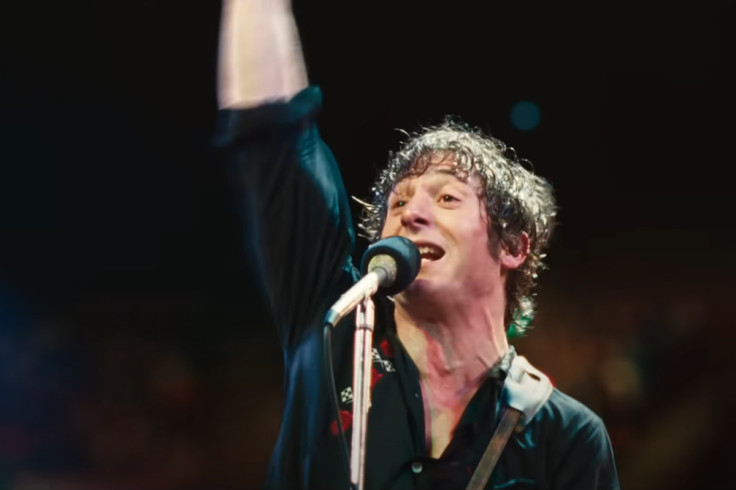
Having said his piece, Springsteen shifted to the tool he trusts most. He strapped on his guitar and launched into Streets of Minneapolis, the anti‑Trump song he released in January in response to the Trump administration's immigration crackdown in Minnesota.
The track was written after the fatal shootings of Renée Good and Alex Pretti by federal agents, events that turned Minneapolis into a flashpoint over immigration enforcement. In that climate, the song landed as a pointed rebuke of federal power exercised in the shadows, far from the podiums and slogans that usually dominate Trump‑era politics.
On The Late Show stage, that context hung heavy over his performance. It was not just a farewell serenade for a departing host, but a reminder of the human cost that underpins Springsteen's anger at Trump and his 'goons,' as he has previously called those around the President.
The choice of song was deliberate. Rather than reach for a crowd‑pleasing classic from his back catalogue, Springsteen opted for a recent protest track that directly invokes the Trump administration. In doing so, he tied Colbert's fate as a late‑night satirist to the lives of people on the sharp end of federal immigration policy, pushing his critique beyond the studio walls.
Colbert, who has built his Late Show tenure on a steady roasting of Trump, appeared visibly moved as he watched from his desk. The host did not attempt to match Springsteen's fury. He let the song run, perhaps aware that a musician with nothing left to promote on a show that is ending can say things corporate executives would prefer to leave unsaid.
Bruce Springsteen appeared on Stephen Colbert’s show tonight and COOKED Trump and his goons
— Harry Sisson (@harryjsisson) May 21, 2026
“I’m here in support tonight for Stephen, because you are the first guy in America who lost his show because we got a president who can't take a joke…. and because Larry and David… pic.twitter.com/WbAQ1sZfBG
There is a certain irony in all this. If critics are even half right about the political calculations behind Colbert's cancellation, then the merger‑minded attempt to lower the temperature has produced one of the cycle's most combative television moments. Bruce Springsteen took the network's own platform to call out its owners by name, then dedicated a protest song to the man whose show they are letting go of.
In an age of carefully managed celebrity, that kind of unvarnished intervention is rare. Whether it changes anything in the boardrooms is doubtful. But on Wednesday night, for a few pointed minutes, it was clear that at least one of America's biggest rock stars still believes late‑night TV is a place where you can pick a fight, not just plug an album.
© Copyright IBTimes 2026. All rights reserved.
- Recommended For You