China's Oil Buffer Is Being Put to the Test as Beijing Draws Down Stockpiles During Hormuz Crisis
Reserves built with discounted Russian and Iranian crude have allowed Beijing to reduce imports and protect domestic fuel supplies as shipping through the strait is disrupted
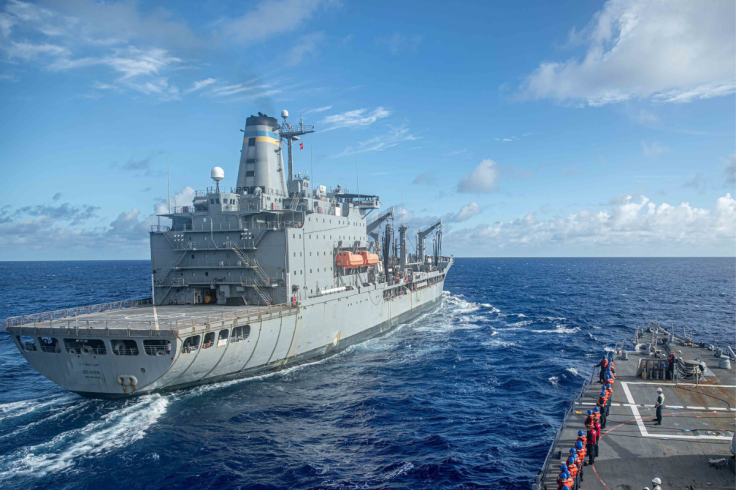
China holds an estimated 1.4 billion barrels of crude in storage, giving it the world's largest estimated strategic oil inventory and allowing Beijing to draw down stockpiles during the Strait of Hormuz crisis rather than participate in the emergency releases organised by Western countries.
According to the US Energy Information Administration, China held nearly 1.4 billion barrels of crude in government and commercial storage at the end of 2025. An estimated 1.1 million barrels a day were added to Chinese strategic inventories during 2025.
That is substantially more than the United States' combined strategic and commercial crude stocks of just over 800 million barrels, and Japan's roughly 260 million. EIA estimates put China's government-held stocks at around 360 million barrels, with commercial inventories accounting for about 1 billion barrels.
How China Quietly Built Its Oil Buffer
The stockpile was assembled largely out of public view. With Russian and Iranian oil facing extensive Western sanctions and restrictions, both became major suppliers to China's independent 'teapot' refineries, which operate alongside state giants Sinopec and CNOOC.
Analysts and industry reports have documented the use of older tankers, opaque shipping arrangements and alternative payment channels in the trade of Russian and Iranian crude subject to sanctions. The arrangement allowed Beijing to accumulate crude at a rapid pace while securing discounted barrels from sellers with fewer alternative buyers.
By some international estimates, China's reserves now provide roughly three months of import cover. The figure is above the International Energy Agency's 90-day stockholding requirement for its member countries, although China is not an IEA member and its inventory data are estimated rather than officially reported.
Hormuz Shock Shows Scale of China's Cushion
When Iranian forces restricted traffic through Hormuz, Western allies coordinated an emergency stock release totalling more than 400 million barrels. China did not participate in the IEA release, instead drawing on its own stocks and cutting crude imports from around 12 million barrels a day before the war to under eight million in May and June.
Roughly a third of the lost Gulf volumes were replaced with barrels from elsewhere, including Brazil. Chatham House estimates that about 60 per cent of the remaining shortfall was met from storage, with the rest reflecting lower oil consumption.
Beijing also restricted exports of diesel, jet fuel and petrol to preserve domestic supply, disrupting fuel flows to some Asian buyers. The measures came as China sought to protect domestic supplies during the disruption to global oil markets.
China's ability to cut consumption reflects an economy more electrified than most. Electric vehicles now account for the majority of new monthly car sales, while high-speed rail and other forms of electrified transport have helped reduce pressure on oil demand.
From Stockpiling To Price Influence
Analysts say the episode illustrates a shift in how China uses its energy position. When Beijing was stockpiling through 2024 and early 2025, its buying added demand to global oil markets, while its pullback in 2026 reduced demand for imported crude and helped limit some of the upward pressure created by the disruption.
The EIA has previously estimated that China's strategic stockpiling acted as a source of demand by removing barrels from global markets. Its later reduction in crude imports therefore had the opposite effect on global demand, although oil prices continued to be shaped by supply disruptions, OPEC output, US production and other market factors.
China's stockpile does not give Beijing control over the global oil market. But the crisis has shown that a country long seen as exposed to a Gulf blockade now holds one of the largest oil buffers in the world, built partly through discounted crude purchases and backed by an economy steadily reducing some of its reliance on oil.
© Copyright IBTimes 2026. All rights reserved.
- Recommended For You