Trump Team Hit With 'Digital Blackout' During Tense China Showdown
US officials and top CEOs forced to ditch personal tech as 'clean device' protocols take over in a high-stakes showdown with Beijing
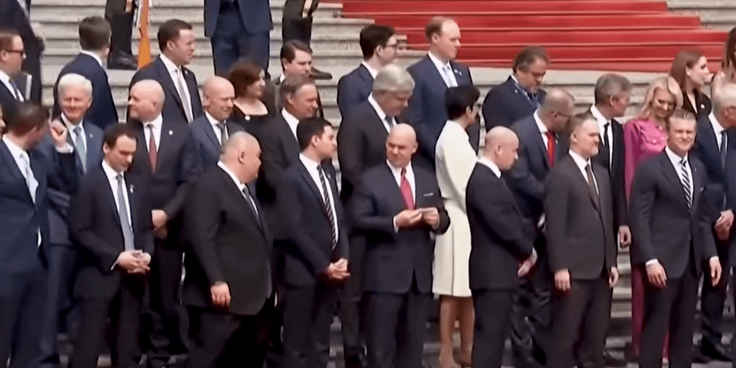
The Trump delegation's digital lockdown has exposed the extreme measures US officials now take to counter Chinese state surveillance.
The situation, as described in reports attributed to Fox News, paints a picture of a tightly controlled environment in which modern connectivity was heavily restricted.
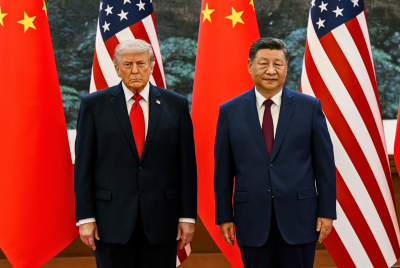
With senior aides, security personnel, and leading business figures accompanying Trump, the delegation reportedly had to operate under what has been described as a 'digital blackout' while navigating sensitive diplomatic and commercial discussions in China.
The measures have sparked renewed attention on cyber security protocols that diplomatic visits to China often require, especially when geopolitical tensions and data security concerns intersect.
U.S. Delegation in China is under strict “digital lockdown" 🇺🇸🇨🇳
— Visegrád 24 (@visegrad24) May 14, 2026
The entire U.S. delegation, led by President Trump, has left their personal smartphones, laptops, and tablets at home.
Instead, officials, aides, and Secret Service personnel are using specially issued “clean” or… pic.twitter.com/qu33aA91ex
'Clean Device' Protocol and the Digital Blackout Environment
At the centre of the Trump team's China discussions is a reported system requiring officials to leave their personal phones and laptops behind before entering Chinese territory.
According to the report, these devices were replaced with temporary phones for US officials abroad, designed for limited and controlled communication. The approach reflects what some sources describe as restricted digital access that diplomats in China may encounter in highly sensitive environments.
Officials were reportedly advised to avoid cloud-synced services, restrict app use, and avoid hotel Wi-Fi networks and public charging stations. Instead, only approved accessories and controlled communication channels were permitted.
Sensitive conversations, according to the same reporting, were conducted in person rather than via digital platforms, reinforcing an analogue style of diplomacy that is increasingly rare in modern international travel.
What Was Restricted During the Trump-China trip
The Trump-China trip communication restrictions reportedly extended beyond personal devices. The broader environment was described as one where digital activity had to be minimised to reduce the risk of hacking, surveillance, or unauthorised data access.
After the visit, devices used during the trip were said to undergo checks for possible tampering, highlighting the heightened caution now required by cybersecurity protocols for diplomatic visits to China in certain contexts.
The working assumption behind these measures, as described in the report, is that any device or connection, including hotel Wi-Fi and public networks, could potentially be compromised. This reflects growing global concerns around digital espionage and information security during high-level diplomatic travel.
Elon couldn't miss checking his banger tweets he bought a new one. pic.twitter.com/clfkE2ITm1
— kakye (@kakyetroll) May 14, 2026
Tech Giants Inside a Controlled Digital Environment
Adding another layer of complexity, the delegation reportedly included executives from major American corporations, including Apple, Boeing, Qualcomm, and BlackRock.
Their presence underscores how closely intertwined diplomacy and global commerce have become. These companies operate at the centre of technology, defence, and financial systems, making their involvement in any international negotiation highly sensitive.
For these executives, the US delegation's cybersecurity visit to China meant operating under the same communication limitations as government officials. In practical terms, this placed some of the world's most influential corporate leaders in an environment where real-time digital coordination was significantly restricted.
China's Position and Cybersecurity Concerns
Chinese authorities have rejected allegations that the country engages in improper surveillance or unauthorised data collection against foreign officials. They maintain that their systems comply with domestic laws and international norms.
However, the reported precautions taken by the US delegation reflect ongoing concerns about China's surveillance that US officials have raised in various contexts over the years. These concerns have contributed to stricter digital hygiene practices during official visits, particularly in regions where cyber risks are perceived to be elevated.
Even with official denials, the perception of risk continues to shape how delegations prepare for and conduct international engagements.
Why the Digital Blackout Matters for Global Diplomacy
The Trump team hit with a digital blackout during a tense China showdown highlights a broader shift in how diplomacy is conducted in the digital age: where smartphones, cloud platforms, and instant messaging once streamlined global communication, they are now seen as potential vulnerabilities in high-stakes environments.
The 'clean device' approach reflects a return to controlled communication, where in-person meetings and limited digital exposure take priority over convenience. It also illustrates how cybersecurity protocols are becoming as important as traditional diplomatic security measures.
For policymakers, business leaders, and security teams, the experience underscores a growing reality: international travel now requires not just political preparation but also digital risk management. As digital threats evolve, so too do the rules of engagement, and this case shows that even the most advanced delegations are not exempt from the strict realities of cybersecurity.
© Copyright IBTimes 2026. All rights reserved.
- Recommended For You