Consumer Boycott Erupts After Coca-Cola Can Personalisation Blocks 'I Love Jesus' While Approving Satanic Messaging
Exploring the viral accusations against Coca-Cola's personalisation feature
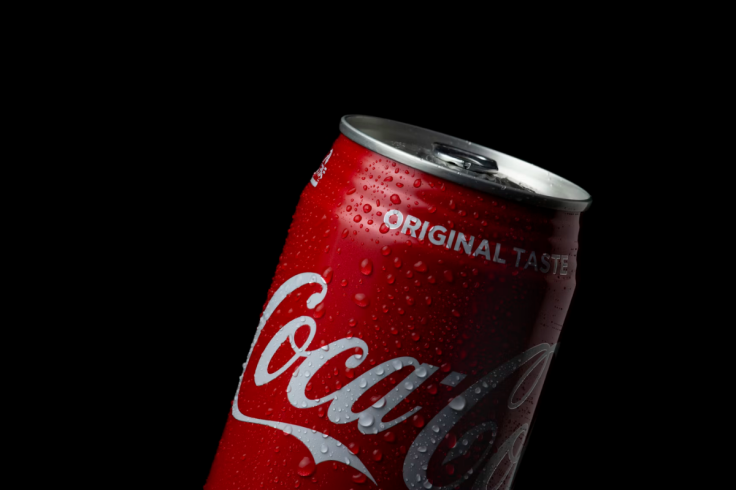
A wave of viral videos has revived a familiar accusation against Coca-Cola: that its custom-can tool appears to allow some references to Satan while blocking some references to Jesus. However, the current demonstrations have not been independently replicated, and Coca-Cola has acknowledged a technical issue affecting the personalisation tool.
Screen recordings shared across social media this week appear to show the Coca-Cola Store's personalisation feature rejecting phrases such as 'I Love Jesus' and 'Jesus Is King' while allowing 'I Love Satan' and 'Satan Is King' to proceed.
The videos have triggered calls for a boycott from Christian consumers who see the discrepancy as evidence of anti-Christian bias. Coca-Cola's official FAQ does not state that every piece of religious content is automatically blocked.
Instead, the company says it may reject names or phrases because of 'cultural and religious sensitivities', among other restrictions. Independent testing of an almost identical viral episode in 2024 found the tool rejected 'Jesus', 'Satan' and 'Allah' alike.
Crucially, Coca-Cola has since acknowledged that its current personalisation system experienced a technical problem. On 8 August, the company said it had identified an issue with the preview tool, disabled the feature and temporarily paused new personalised-product orders while the matter was addressed.
The Viral Videos Driving the Boycott Calls
The current controversy took hold after content creators posted purported live tests of the customisation tool on the Coca-Cola Store website. One creator's recordings appeared to show 'Satan Is Good' approved while 'Jesus Is Good' was rejected, and 'I Love Satan' accepted while 'I Love Jesus' was blocked, with darker phrases such as 'I Hate Jesus' also reportedly permitted.
@ryanhaff_ Exposing Companies Part 1
♬ original sound - Ryan Haff
These results have not been independently reproduced under controlled conditions, meaning the videos establish what appeared on individual users' screens but do not demonstrate that Coca-Cola consistently approved those phrases.
The clips spread quickly through conservative and Christian online communities, amplified by a widely shared post on X and coverage in right-leaning outlets. Users also reported that 'Allah Is King' advanced to preview while Christian phrases were blocked, prompting a fresh round of calls to boycott the company's products.
Coca-Cola Faces Boycott Calls Over Claims Custom Cans Allegedly BANS “Jesus is King” But Allows “Allah is King” and “Satan is King”
— Texas_4_Trump-Kenny (@TexasTrump2024) August 7, 2026
Here we go again.
Coca-Cola is facing a new wave of backlash after viral videos appeared to show the company’s online personalization tool… pic.twitter.com/t8a6AqcvJc
Those claims similarly remain unverified and should not be interpreted as evidence of Coca-Cola's moderation policy without independent testing.
The controversy has tapped into a long-running suspicion among some consumers that large corporations treat Christianity with less respect than other beliefs. However, discrepancies appearing in the personalisation tool do not by themselves establish deliberate religious discrimination, particularly given Coca-Cola's acknowledgement that the preview system experienced a technical issue.
Coca-Cola Acknowledges Technical Issue
Coca-Cola addressed the latest controversy on 8 August, saying it had identified a technical problem affecting the personalisation preview tool. According to the company's statement reported by Fox News Digital, Coca-Cola disabled the preview feature and paused new personalised-product orders while it investigated the issue.
The company also said personalised orders undergo moderation after they are submitted and that safeguards are intended to prevent religious, political, trademarked, inappropriate and other restricted content from being approved and produced.
That distinction is significant because a phrase appearing successfully in the preview tool does not necessarily mean Coca-Cola would approve or manufacture a can carrying that message. It also provides a possible explanation for at least some of the inconsistent results shown in the viral recordings, although it does not independently verify what occurred in each video.
What Fact-Checkers Found the Last Time
This is not the first time the accusation has gone viral, and the earlier round was examined closely. In September 2024, near-identical claims circulated that the tool allowed 'Satan' or 'Allah' while blocking 'Jesus', prompting independent testing by several fact-checking organisations.
Their findings did not support claims of selective treatment. Snopes reported that 'Jesus', 'Satan' and 'Allah' all returned the same rejection message citing restrictions on religious figures, while Reuters Fact Check found in October 2024 that 'Jesus Loves You' and 'Allah Loves You' triggered identical rejections.
The fact-checking site Lead Stories also confirmed that neither 'Allah Loves You' nor 'Jesus Loves You' was permitted, with the same language applied to both.
Coca-Cola addressed the tool directly at the time. The company told Reuters that its personalisation feature 'does not approve names or phrases that are religious in nature or are for political candidates, trademarks, or celebrities', and that the specific religious names and phrases in question had already been designated for denial.
Coca-Cola's current FAQ is broader in its wording, stating that the company reserves the right to reject names or phrases and identifying 'cultural and religious sensitivities' among the reasons content may be refused. It should therefore not be characterised as an explicit policy automatically blocking all religious content.
The 2024 findings provide useful context, but they cannot establish how the system behaved in every instance in 2026. The personalisation system may have changed since then, while Coca-Cola's acknowledgement of a current technical issue means the latest controversy must be assessed on its own evidence.
Why the Latest Claims Warrant Caution
The current videos have not, so far, been independently verified in the way the 2024 versions were, and automated filters are notoriously inconsistent, capable of returning different results depending on spacing, timing, browser settings and the constant updating of blocklists.
More importantly, Coca-Cola has confirmed that there was a technical issue with the preview tool during the latest controversy. That makes isolated demonstrations insufficient to determine whether the apparent differences resulted from company policy, a moderation failure, a technical problem or another factor.
Because the viral videos show individual demonstrations rather than controlled, independently replicated tests, they do not establish how Coca-Cola's moderation system consistently handles religious phrases. Nor does a message reaching the preview stage establish that Coca-Cola would ultimately approve and manufacture the personalised product.
None of this proves that the videos were manipulated or that users did not receive the results shown. Coca-Cola's acknowledgement of a technical issue indicates that inconsistent results may indeed have occurred. What remains unsubstantiated is the much broader allegation that those inconsistencies reflect a deliberate company policy favouring Satanic messages over Christian ones.
The available evidence therefore does not establish that Coca-Cola deliberately chose to 'honour Satan over Jesus'. What it does establish is that users reported inconsistent results, boycott calls followed, Coca-Cola acknowledged a technical problem with its preview system and previous independent testing found religious references were restricted across different faiths and beliefs.
Until the latest results are independently reproduced or further evidence emerges about how the moderation failure occurred, claims of intentional anti-Christian discrimination remain unproven.
© Copyright IBTimes 2026. All rights reserved.
- Recommended For You