GoSkippy Insurance Threatens to Void Car Policy Over Motorist's Handmade 'Jesus Loves You' Sticker
A modest declaration of faith collides with rigid corporate policy in a dispute over personal expression
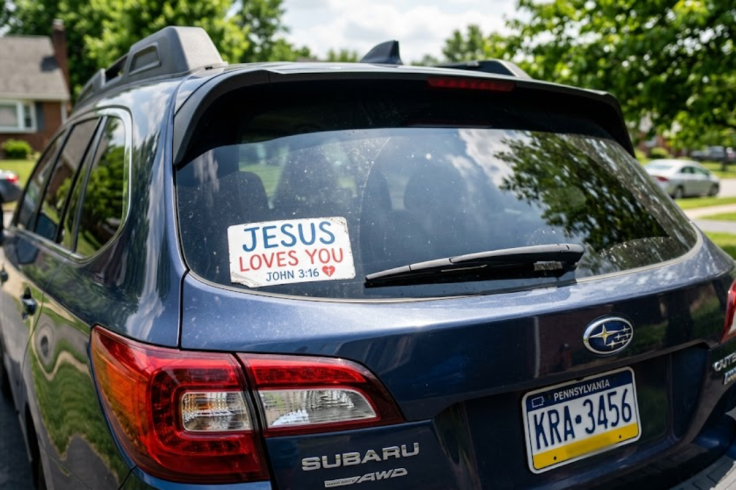
A 35-year-old Birmingham motorist has been threatened with having his insurance policy voided after placing handmade 'Jesus Loves You' stickers on his vehicle, following a warning from GoSkippy Insurance. Simeon Chandra was told his cover would be cancelled unless he removed the religious messages from his 2009 Nissan Pixo and provided photographic proof.
For context, the dispute began when the Christian driver applied two modest decals reading 'Jesus Loves You' and 'Jesus Loves You V Much' to the doors of his hatchback. He contacted his broker beforehand in a bid to be completely transparent about the cosmetic change.
Emails seen by the original source show that the insurer initially told him the policy could continue as normal. He was only asked to submit photographs of the additions for his customer file.
That cooperative stance did not last long. The firm later reversed its position, stating that the underwriting department had declined the modification.
Driver Fights Back After Insurer Bans His Message of Hope
A staff member reportedly wrote to Mr Chandra that the stickers had to be removed if he wanted to remain legally insured. The insurer required a dated photograph of the vehicle's doors without the stickers to confirm he had complied with the request.
He was subsequently directed to standard policy terms indicating that cover could be declined if errors or omissions were found in his paperwork. His follow-up messages asking for an explanation for the decision allegedly went unanswered.
Reluctantly complying, the driver removed the messages to ensure his vehicle remained insured. The dispute has since raised broader questions about what insurers classify as an acceptable vehicle modification.
Mr Chandra is now preparing to challenge the decision and is exploring legal action through the Christian Legal Centre. He maintains that his rights to freedom of religion and freedom of expression have been infringed.
The motorist said he was shocked and upset by the outcome, particularly because he believed he had acted responsibly by declaring the minor exterior modifications. He argues the stickers were neither offensive nor likely to distract other road users.
He also pointed out that the handmade messages were not abusive, political, hateful or commercial. According to Mr Chandra, they were simply intended to spread a positive message.
Christian Group Backs Driver in Fight for Free Expression
Mr Chandra said the rejection made him feel that his Christian beliefs were being unfairly singled out. He added that he was deeply distressed by the experience and believed motorists displaying secular messages would not have faced the same scrutiny.
The driver converted to Christianity during his university years and comes from an Indian Christian family whose parents served as missionaries. He said he hopes to reapply the stickers to his Nissan if the legal position is clarified, arguing that the case could establish an important precedent for other Christians.
Andrea Williams, chief executive of the Christian Legal Centre, has backed his proposed legal challenge. She argued that the dispute has nothing to do with technical vehicle modifications or road safety.
Williams said the case raises broader questions about whether Christians are free to express their faith in public without risking access to essential services.
She added that if insurers are allowed to refuse cover simply because a customer displays a Christian message, it should concern anyone who values freedom of expression. She argued the case raises wider questions about where insurers draw the line over vehicle decals and personal messages.
Somerset Bridge Insurance Services is the underwriter for the broker in question and has come under growing public pressure to clarify its modification criteria. Critics argue the case highlights the potential rigidity of underwriting policies when applied to relatively minor vehicle changes.
IBTimes UK cannot independently verify the specific internal underwriting guidelines that prompted the decision, and the insurer has not publicly explained why the decals were rejected.
The company has not issued an official statement explaining why the religious stickers were considered an unacceptable insurance risk. For now, Mr Chandra remains without the decals as he weighs his legal options while continuing to keep his vehicle insured.
© Copyright IBTimes 2026. All rights reserved.
- Recommended For You