

'Complete COP-out': Oil States Accused of Hijacking UN Climate Summit as Fossil Fuel Deal Collapses
Oil-producing countries opposed stronger fossil fuel commitments
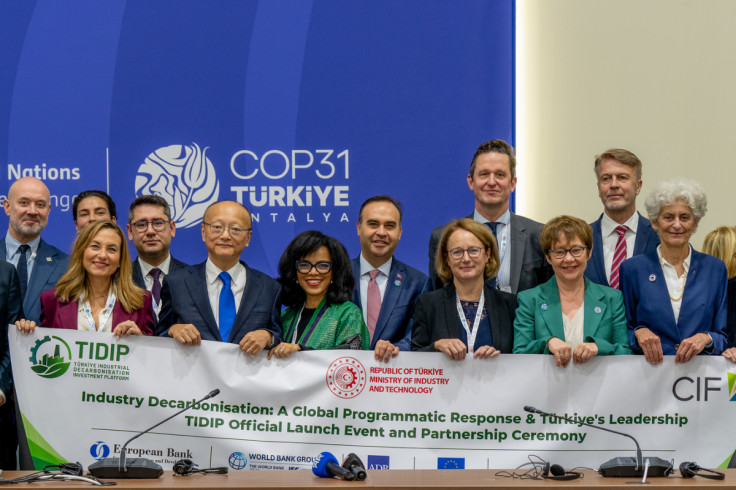
The longest United Nations climate summit on record has ended without an overarching agreement after countries failed to resolve disputes over fossil fuels and climate finance. The European Union, the UK and climate-vulnerable nations rejected the final draft of the proposed Antalya Pact because it made no direct reference to transitioning away from coal, oil and gas.
Negotiations at COP31 in Antalya, Turkey, continued for more than 50 hours beyond their scheduled Friday finish before ending on Sunday, 22 November. It was the first time since the 2009 Copenhagen summit that a COP had ended without an overarching political agreement, although delegates reached decisions on other issues.
Oil-producing countries, including Saudi Arabia, opposed references to a transition away from fossil fuels. Ireland's climate minister, Darragh O'Brien, accused oil states of hijacking the negotiations, while former US vice-president Al Gore criticised the influence of petrostates over the final text.
The longest UN climate summit in history ended without a deal in Turkiye, the first such failure since 2009. Talks collapsed over fossil fuels and climate financing, with nations rejecting a draft that omitted fossil fuels and offered little new funding for vulnerable countries. pic.twitter.com/E8KTVUI3Pw
— Al Jazeera English (@AJEnglish) November 22, 2026
Fossil Fuel Dispute Blocks Final Agreement
The final draft, prepared by the Turkish and Australian presidencies, omitted any commitment to transition away from fossil fuels. The wording had been a central demand for the EU and around 130 countries, which backed a letter calling for the COP28 commitment to move away from fossil fuels to be reflected in the outcome.
Reuters reported that Saudi, Chinese and Russian officials had frequent access to the presidencies' offices, while other negotiating groups struggled to secure meetings. Saudi Arabia and other oil-producing countries opposed stronger fossil fuel language. Turkey's presidency denied giving any country preferential treatment.
Russia also opposed references to a transition, while oil-producing nations supported greater use of carbon capture and storage. The draft retained support for the technology despite dropping a direct commitment to move away from fossil fuels.
Climate Finance Dispute Deepens Deadlock
Developing countries also criticised the draft for failing to provide a clear financial commitment to help them adapt to climate change. It retained a proposal to triple adaptation finance by 2035 but did not specify the starting figure or baseline needed to measure progress.
An earlier draft had proposed providing $120 billion (£91 billion) in annual adaptation finance by 2035, but the figure was removed. Vulnerable countries said wealthy nations needed to provide more predictable support as floods, droughts and extreme heat intensified.
The proposed text also acknowledged that the world was on course to exceed the Paris Agreement's 1.5°C warming limit. UN assessments put current policy projections at about 2.8°C of warming by 2100.
UN Faces Calls To Reform COP Process
Gore called the outcome 'outrageous,' arguing that oil-producing states should not be able to block references to fossil fuels. UN Secretary-General António Guterres also criticised fossil fuel interests for distorting science and delaying climate action, saying he was 'deeply disappointed' by the lack of consensus.
The failure did not mean all COP31 negotiations collapsed. Delegates made progress on a just transition mechanism for workers and communities moving towards cleaner energy. More than 80 countries backed Turkey's separate goal of increasing electricity's share of global final energy consumption to 35 per cent by 2035.
The breakdown renewed calls to reform the COP process, where decisions require consensus among almost 200 parties. UN climate chief Simon Stiell acknowledged that the process had fallen short. The next summit is scheduled to take place in Ethiopia in November 2027.
© Copyright IBTimes 2026. All rights reserved.