

Craig Hamilton-Parker Warns Power and Internet Could Face Disruption After Global Microsoft Outage
A sweeping warning about power and internet disruption collides with Microsoft's technical explanation for its global outage
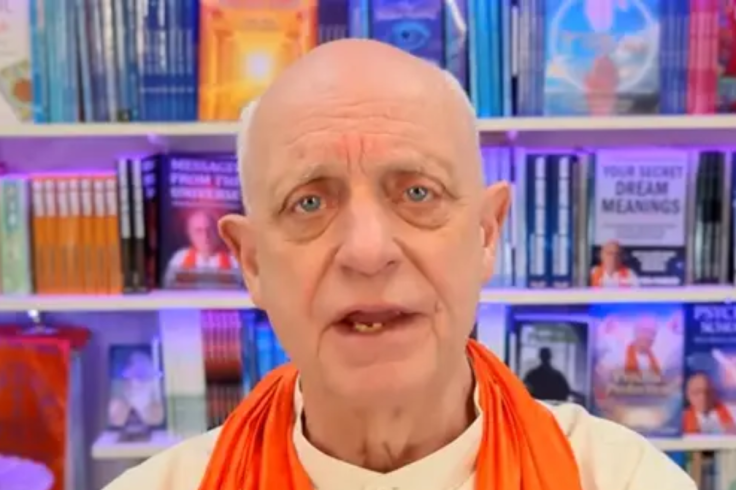
Craig Hamilton-Parker has warned that internet and electricity services could face disruption following the global Microsoft outage on 12 and 13 November 2026.
He made the warning in a YouTube video posted after the incident. His earlier comments did not identify Microsoft, specify a date or describe a particular cyberattack.
Microsoft said the disruption was a technical failure unrelated to cyber activity or artificial intelligence. Its preliminary report, published on 15 November, identified a software defect, a change in network traffic, and reduced server capacity as contributing factors.
Microsoft recorded the outage from 4.20pm GMT on 12 November to 4.10pm GMT on 13 November. Outlook and Exchange Online were hardest hit. Some Teams, Copilot and other Exchange Online-dependent functions were disrupted, although many Microsoft services remained accessible.
Craig Hamilton-Parker Revisits Earlier Cyberattack Warnings
In his video, Hamilton-Parker said he had made several predictions about major cyberattacks. He described the outage as a reminder of what he believed could happen next. He said he had previously argued that a cyberattack was already underway. That was his interpretation, not evidence that Microsoft's systems had been attacked.
He also revisited a March 2025 recording in which he expressed concern about a technology outage larger than an earlier disruption affecting X. He suggested that Windows, Apple, or another major computer interface could be affected and urged viewers to back up their data.
The recording named neither Microsoft nor a date, and did not identify a specific cyberattack. It was a broad warning, not a specific forecast of the Microsoft 365 incident.
Hamilton-Parker made further warnings in 2026. In September, he said a potentially devastating cyberattack might already be underway. In an October recording, he warned of possible attacks on banks and claimed supermarkets had been affected, with internet and electricity services potentially next. The supermarket claim was not supported by a named incident or evidence in the material reviewed.
Microsoft Outage Report Points to Technical Failure
Microsoft's preliminary report identified three contributing factors. One was a latent software defect in Microsoft 365 gateway servers. Another was a Teams traffic failover to a shared gateway about 15 hours earlier. Nearly 14% of gateway capacity was also unavailable because of an unrelated issue.
Microsoft said the factors combined to cause a cascading failure, with the traffic shift exposing the defect while capacity was already reduced. The company apologised and said services were restored gradually, with stability checked at each stage.
That explanation differs from Hamilton-Parker's interpretation. Microsoft attributed the incident to network infrastructure and did not identify malicious activity. Its report provides no basis for describing the outage as a cyberattack or evidence of an imminent threat to electricity supplies.
The Electric Infrastructure Security Council uses 'Black Sky event' to describe a catastrophic disruption affecting critical infrastructure across multiple regions for an extended period. That would be far more serious than a temporary email or software outage.
The US National Infrastructure Advisory Council has examined prolonged power cuts and possible disruption to communications, water, transport, healthcare and finance. Those risks concern a hypothetical infrastructure failure, not an established consequence of Microsoft's November outage.
Microsoft said it would publish a further post-incident review within five business days of full resolution. Until then, its preliminary technical findings remain the documented explanation, while Hamilton-Parker's warnings about future attacks remain personal predictions.
© Copyright IBTimes 2026. All rights reserved.