Cyclospora Outbreak Explained: The Hidden Costs of Getting Sick on an All-Inclusive Holiday
Most UK cases are linked to holidays in Mexico's Riviera Maya and Cancún, with officials investigating the source of the infections
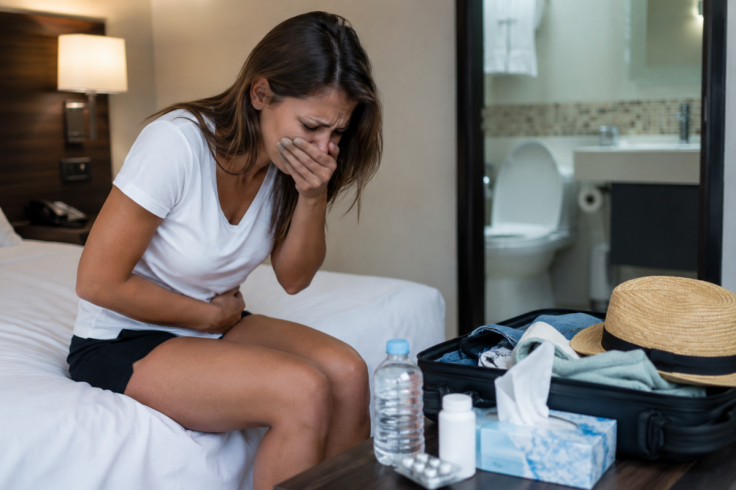
A dream all-inclusive holiday can quickly become an expensive inconvenience if illness strikes, even when accommodation, meals, and drinks are already paid for.
The UK Health Security Agency (UKHSA) has warned holidaymakers about a sharp rise in cyclospora infections among travellers returning from Mexico, with dozens of cases linked to popular beach destinations, including Riviera Maya and Cancún. While the parasite is best known for causing severe watery diarrhoea, its impact can extend beyond health, disrupting travel plans and leaving holidaymakers facing unexpected expenses.
The warning comes as UK officials investigate 67 reported cases since April, while a separate outbreak in the United States has affected more than 18,000 people across 45 states.
Cases Linked to Popular All-Inclusive Resorts
According to the UKHSA, many of the affected travellers had stayed at a range of all-inclusive resorts in Mexico's Riviera Maya and Cancún regions before becoming ill.
Officials said the infections are believed to be linked to Cyclospora cayetanensis, a parasite that can contaminate fresh produce including salads, herbs, berries, and unpeeled fruit. The parasite does not naturally occur in the UK, and health experts stress it cannot spread directly from person to person.
The agency said investigations are continuing to identify the source of the infections.
How Illness Abroad Can Affect Your Holiday
Although many people recover without complications, cyclospora infections can last for days or even weeks if left untreated.
The most common symptom is frequent watery diarrhoea, which some patients have described as occurring up to 20 times a day. Other symptoms can include stomach cramps, bloating, nausea, loss of appetite, fatigue, weight loss, and flu-like illness.
For travellers, becoming ill while abroad can mean missing excursions, spending days confined to a hotel room instead of enjoying the resort, or seeking medical treatment before returning home.
Depending on the severity of the illness and individual travel arrangements, unexpected costs may also arise through medical consultations, prescription medication, transport to healthcare facilities, or changes to planned activities. Travellers who require additional medical care or altered travel arrangements should check the terms of their travel insurance policy, as cover varies between providers.
Why Officials Are Advising Extra Caution
Health officials say the recent increase in cases should not discourage travel but should encourage holidaymakers to take sensible precautions.
The UKHSA advises travellers to drink bottled or treated water where appropriate, and choose food that has been thoroughly cooked and served hot. It also recommends avoiding foods more likely to carry the parasite, including fresh herbs, uncooked berries, unpeeled fruit, and salad items that may have been washed with contaminated water.
These precautions remain important even when staying at higher-end all-inclusive resorts.
What to Do if You Develop Symptoms
The UKHSA expects additional travel-related cases over the summer as more people visit Mexico and, potentially, parts of the United States.
Anyone who develops persistent watery diarrhoea, stomach pain, bloating, nausea, fatigue, or unexplained weight loss after returning from holiday should seek medical advice and tell their healthcare provider about their recent travel history.
Although many infections improve on their own, antibiotics may be prescribed in more severe or prolonged cases.
For holidaymakers, the latest warning serves as a reminder that an all-inclusive package does not eliminate every travel risk. Following basic food and water hygiene advice may reduce the risk of infection and help prevent an all-inclusive holiday from becoming an expensive interruption.
© Copyright IBTimes 2026. All rights reserved.
- Recommended For You