'Explosive Diarrhoea' Parasite Warning Issued to UK Tourists After Mexico Cases Surge
Health officials urge caution as Cyclospora infections linked to Mexico travel rise.
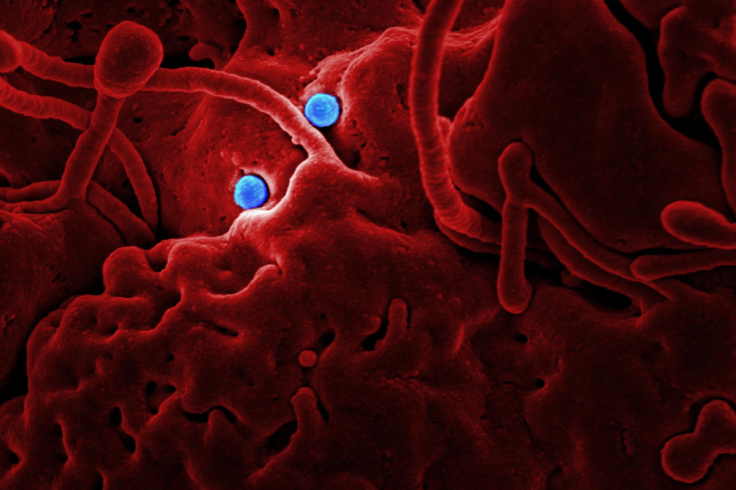
UK tourists travelling to Mexico have been warned about a sharp rise in infections caused by a microscopic parasite that can trigger severe gastrointestinal symptoms, including frequent or 'explosive' diarrhoea.
The UK Health Security Agency (UKHSA) recorded 67 cases of cyclosporiasis across England, Scotland and Wales between 30 April and 15 July 2026. Among the 52 patients whose travel history was available, 48 had recently visited Mexico.
Health officials expect the number of travel-related infections to continue rising during the summer holiday season. Tourists have been urged to take precautions with food and water, even when staying at luxury hotels and all-inclusive resorts.
Mexico Travel Linked To Most Reported Cases
The 67 infections included 30 cases in England, 27 in Scotland and 10 in Wales. Patients had a median age of 46, while women accounted for 66 per cent of those whose sex was recorded.
Detailed travel information was available for 28 people who had visited Mexico. Most reported staying in the Riviera Maya, while several had travelled to Cancún.
The patients had stayed at different hotels and consumed a variety of food and drinks included in all-inclusive holiday packages. This means investigators have not identified a single hotel, resort or food product responsible for the infections.
UKHSA is working with the Association of British Travel Agents and Mexican public health officials as the investigation continues.
What Is Cyclospora?
Cyclospora is a parasite that causes an intestinal illness known as cyclosporiasis. It does not naturally occur in the UK and is more commonly found in tropical and subtropical regions.
People can become infected after consuming food or water contaminated with the faeces of an infected person. Outbreaks have frequently been associated with fresh produce, including salad leaves, herbs, berries and unpeeled fruit.
The infection cannot spread directly from one person to another through ordinary contact. This is because the parasite must spend time outside the body before it becomes capable of infecting someone else.
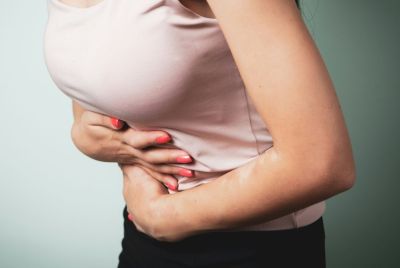
Symptoms usually develop about a week after contaminated food or water is consumed. They can include watery diarrhoea, stomach cramps, bloating, nausea, excessive wind, mild fever, tiredness and muscle aches.
Some patients also experience a loss of appetite and weight. Symptoms may disappear and later return, with the illness sometimes continuing for several weeks.
How Serious Is the Infection?
Most people recover without medical treatment within several days or weeks. However, the illness can be more severe or last longer in people with weakened immune systems.
Doctors can diagnose cyclosporiasis by testing a stool sample. Antibiotics may be prescribed when symptoms are severe, persistent or affecting someone considered medically vulnerable.
Anyone who becomes ill after returning from Mexico should seek medical advice and tell their healthcare professional about their recent travel. Mentioning the destination is important because the symptoms can resemble those caused by other stomach infections.
How Can Tourists Reduce Their Risk?
There is currently no vaccine against Cyclospora, meaning prevention depends on careful food and water hygiene.
UKHSA advises travellers to drink bottled or boiled water when tap water may be unsafe. The same water should be used when brushing teeth, while ice in drinks should be avoided.
Tourists should choose freshly prepared meals that have been thoroughly cooked and served piping hot. Raw berries, salad, fresh herbs and fruit that cannot be peeled should be avoided when their preparation or washing cannot be verified.
Officials stressed that the precautions remain necessary even at high-end and all-inclusive resorts. The quality or price of accommodation does not guarantee that every item of fresh produce has been prepared using uncontaminated water.
© Copyright IBTimes 2026. All rights reserved.
- Recommended For You