Prince Harry Returns to Court as Daily Mail Publisher Seeks £50M Legal Costs
Prince Harry's legal defeat erupts into a bitter war of words as he and Doreen Lawrence cry 'whitewash', while the Daily Mail publisher fights to recover millions in legal costs.
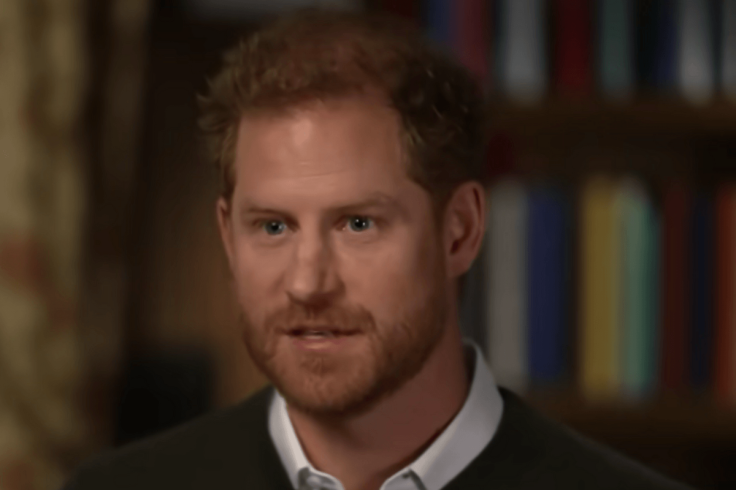
Prince Harry and six other claimants have returned to the High Court for a two-day hearing to determine legal costs following the dismissal of their claims against Associated Newspapers Limited (ANL), publisher of the Daily Mail and Mail on Sunday.
The hearing follows Mr Justice Nicklin's judgment on 7 July, which rejected allegations that ANL journalists and investigators had unlawfully gathered private information through methods including voicemail interception, landline tapping and 'blagging', a term used to describe obtaining information by deception.
While the liability trial has concluded, the court must now decide issues including interim legal costs, the basis on which those costs should be assessed and whether any appeal will follow.
Associated Newspapers sought an interim payment of £10 million ($13.3 million) from Prince Harry and other high-profile claimants on Wednesday after they lost their privacy lawsuits against the Daily Mail publisher. https://t.co/ZFbFanP06f
— Reuters Legal (@ReutersLegal) July 29, 2026
ANL Seeks Interim Costs Payment
Associated Newspapers told the court that its legal costs in defending the litigation have exceeded £50 million.
The figure represents ANL's reported expenditure on the case and is not an amount that Prince Harry or the other claimants have been ordered to pay.
Instead, ANL is seeking an interim payment of approximately £10 million from the claimants while the court determines the final costs position.
The publisher is also asking for its costs to be assessed on an indemnity basis, a method that can allow a successful party to recover a greater proportion of its legal expenses than under the standard basis.
The claimants oppose both the proposed interim payment and ANL's request for indemnity costs.
Any final liability for legal costs will depend on the court's ruling following the hearing.
Judgment Dismissed the Claimants' Allegations
The costs hearing follows an 11-week trial examining allegations that ANL obtained private information through unlawful methods.
The seven claimants were Prince Harry, Sir Elton John, David Furnish, Baroness Doreen Lawrence, Elizabeth Hurley, Sadie Frost and Sir Simon Hughes.
Their claims related to 97 newspaper articles, which they alleged relied on information obtained through unlawful practices including voicemail interception, landline tapping and blagging.
ANL denied the allegations throughout the proceedings.
Its legal team argued that the articles relied on lawful sources, including press officers, official spokespersons, freelance journalists, previous reporting, other media organisations and individuals connected to the claimants.
Why the Court Rejected the Claims
In his 436-page judgment, Mr Justice Nicklin rejected the claimants' central legal argument.
He wrote, 'In substance, the claimants' case invites the court to conclude that, because the information was private and because Associated cannot positively explain how it was sourced, the article must have been unlawfully sourced.'
He concluded, 'That is not a permissible approach.'
The judge found that the claimants had not established, on the evidence presented, that the disputed information had been obtained through unlawful information-gathering methods.
Claimants Criticised the Judgment
Following the ruling, Prince Harry and Baroness Doreen Lawrence issued a joint statement describing the judgment as a 'complete and obvious whitewash.'
They said they had brought the litigation seeking 'justice and accountability' but believed the judgment had delivered neither.
ANL strongly rejected that criticism.
Prince Harry and the other claimants who lost their court case against the Daily Mail publisher have been told the costs incurred by Associated Newspapers for defending the case amount to a staggering £34.5 million 😮😮
— Chris Ship (@chrisshipitv) July 29, 2026
One wonders how Harry, Elton John, Sadie Frost, Liz Hurley…
Paul Dacre, the publisher's editor-in-chief and former editor of the Daily Mail, described the litigation as a 'trumped-up action' that 'should never have been brought to trial.'
The contrasting responses reflect the continuing disagreement between the parties over both the evidence presented during the trial and the court's conclusions.
Could an Appeal Follow?
The current hearing is also expected to address whether any of the claimants intend to seek permission to appeal Mr Justice Nicklin's judgment.
No appeal has yet been determined, and any application would be considered separately from the costs issues currently before the court.
Should an appeal proceed, questions surrounding legal costs could continue alongside the appellate process.
For now, however, the High Court's focus is on determining the immediate financial consequences of the July judgment, including ANL's application for an interim costs payment and the basis on which any final costs should be assessed.
© Copyright IBTimes 2026. All rights reserved.
- Recommended For You