

What Is Cyclosporiasis? Taylor Farms and Taco Bell Outbreak Leaves Diners Asking About Symptoms and Risk
Understanding the cyclospora outbreak and its impact on Taco Bell diners
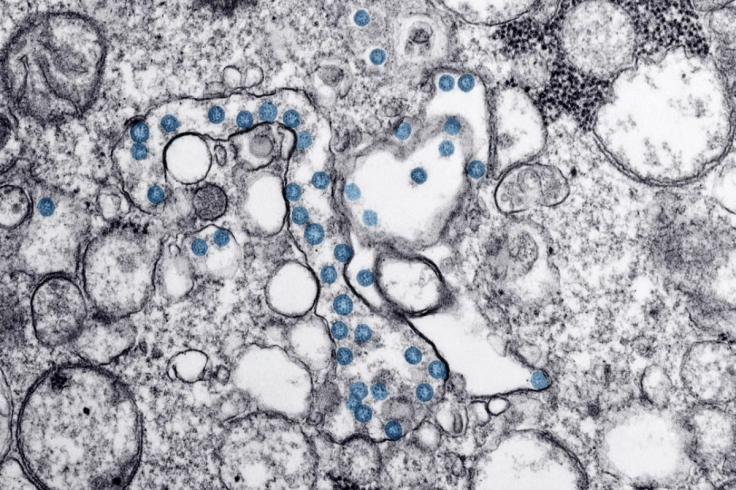
A multistate Cyclospora outbreak linked to shredded iceberg lettuce supplied by Taylor Farms and served at select Taco Bell restaurants has left diners searching for answers about a little-known foodborne illness. Health officials are investigating hundreds of illnesses connected to the regional outbreak while thousands of cyclosporiasis cases are under investigation across the United States.
As Taco Bell removes the potentially affected lettuce from its supply chain, many consumers are asking what cyclosporiasis is, how it spreads and which symptoms should prompt medical attention.
Taylor Farms and Taco Bell Outbreak Under Investigation
The latest outbreak has drawn national attention after investigators linked shredded iceberg lettuce supplied by Taylor Farms to illnesses associated with select Taco Bell restaurants in the Midwest.
According to health officials, at least 400 cases linked to the regional outbreak have been identified across Michigan, Ohio, West Virginia and Kentucky. Separately, the US Centers for Disease Control and Prevention says nearly 7,000 cyclosporiasis cases have been confirmed or remain under investigation nationwide since 1 May, with at least 141 hospitalisations reported.
Michigan has recorded more than 4,300 cases during its investigation and has suggested the outbreak could become the largest Cyclospora outbreak documented in the country.
In response, Taco Bell said it had voluntarily removed the potentially affected lettuce from the supplier in select states. The company also announced that the ingredient would be removed from its nationwide supply chain and replaced in affected locations within 24 hours.
Taylor Farms had not publicly responded to requests for comment when the outbreak details were reported. The company has previously been linked to food safety investigations, including an E. coli outbreak connected to onions in 2024 and a Cyclospora outbreak involving lettuce in 2013.
What Is Cyclosporiasis and How Does It Spread?
According to Cleveland Clinic, cyclosporiasis is a foodborne illness caused by the microscopic parasite Cyclospora cayetanensis. People become infected after consuming contaminated food or water, most commonly fresh produce that has come into contact with contaminated water during growing or washing.
Unlike some infectious diseases, cyclosporiasis is not believed to spread directly from person to person. Instead, the parasite enters the body through contaminated food or drinks before causing gastrointestinal illness.
Although cyclosporiasis is relatively uncommon in the US, outbreaks have occurred periodically over the years. The illness is more frequently reported in tropical and subtropical regions, particularly in areas where access to treated water is limited. Previous outbreaks in the US have been linked to imported fresh produce, including lettuce, basil, cilantro and bagged salad mixes.
Cyclospora Symptoms and Health Risks to Watch For
Symptoms of cyclosporiasis typically appear within about one week of ingesting the parasite, although timing can vary.
The most common symptom is watery diarrhoea, which can become persistent if left untreated. Other symptoms include stomach cramps, bloating, nausea, vomiting, fatigue, loss of appetite and a low-grade fever. Some people may carry the parasite without developing symptoms.
Healthcare experts warn that prolonged diarrhoea can lead to dehydration and electrolyte imbalance, particularly in older adults, young children and people with weakened immune systems. Without treatment, symptoms may last for several weeks or disappear before returning later.
What to Do if You Think You Have Cyclosporiasis
Anyone who develops persistent watery diarrhoea after eating potentially contaminated food should seek medical advice. Healthcare providers typically diagnose cyclosporiasis through stool testing, although more than one sample may be needed because the parasite is not always detectable in every specimen.
Doctors commonly treat the infection with antibiotics, while hydration remains an important part of recovery. Most patients begin to feel better within one to two weeks after treatment, although occasional diarrhoea may continue for several weeks before fully resolving.
© Copyright IBTimes 2026. All rights reserved.