

Cynthia Erivo Targeted by Wild Fan Theory Claiming She 'Resurrected' Ariana Grande
A fringe Reddit theory claims Cynthia Erivo 'resurrected' Ariana Grande
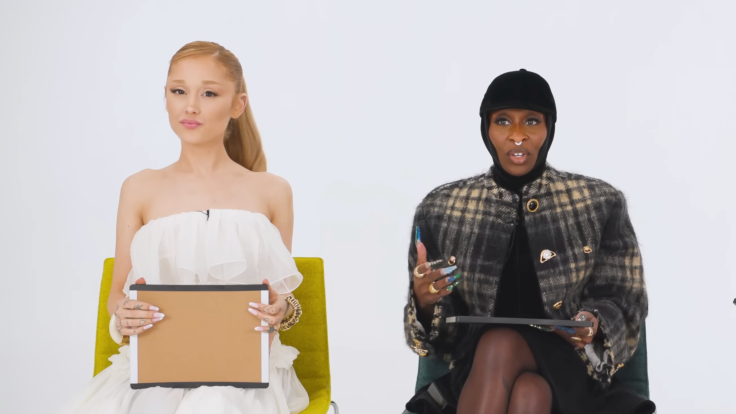
A bizarre and entirely unfounded fan theory suggesting that actress Cynthia Erivo 'resurrected' singer‑actor Ariana Grande has circulated across niche corners of social media. The speculation, which originated on Reddit, claims that Erivo, who plays Elphaba in the film adaptation of Wicked: For Good, used supernatural powers to revive Grande, her co-star portraying Glinda.
Despite its spread online, the claim remains wholly speculative. Users interpreted ordinary traits, such as Grande's appearance and stage mannerisms, as evidence of undeath, citing necromancy, magical bonds, and occult influence. Memes, AI-generated images, and commentary amplified the idea, but there is no credible verification, eyewitness account, or supporting evidence.
While some corners of the internet have engaged with the theory, it has no basis in reality. Coverage of the production, interviews, and public appearances consistently show a professional, collaborative relationship between the actresses. Both Erivo and Grande have publicly dismissed speculation regarding their personal lives, emphasising a focus on their work.
The Reddit Post and Its Claims
The theory appears to have originated on a subreddit dedicated to conspiracy discussion.The original poster described Erivo as a 'necromancer' who allegedly killed and resurrected Grande, citing the actresses' frequent interactions at press events as supporting evidence. Commenters expanded the narrative, speculating about occult symbolism, rituals, and perceived changes in Grande's appearance.
Although the posts may appear convincing to some readers, they are entirely speculative. There is no independent reporting, forensic evidence, or official statement confirming the claims. Experts in media literacy note that such content functions more as fan fiction or online performance than factual reporting, illustrating the blurred lines between entertainment and reality on social media.
Professional Reality and Media Context
In reality, Erivo and Grande are co-stars navigating a high-profile production with demanding schedules. Interviews and press events have captured moments of camaraderie, support, and shared enthusiasm for the project. Such interactions, typical in professional performing environments, have been misinterpreted online as evidence of extraordinary or supernatural connections.
Both actresses have addressed and rejected various fan-driven rumours, including claims about their personal relationships. Public statements underline how speculation can distort perceptions and potentially harm performers' reputations. UK audiences, following theatre and celebrity culture closely, have seen similar fan theories target other high-profile figures. These narratives often attract attention but rarely reflect verifiable facts.
At this point, it feels like Cynthia Erivo is a necromancer who literally brought Ariana Grande back from the dead. pic.twitter.com/B3bycwlB1g
— Mr. Nobody (@MmisterNobody) December 9, 2025
I think she's an energy parasite and she's sucking the lifeforce from Ariana.
— Fuzzyfox (@Fuzzyfoxbacon) December 10, 2025
Why The Theory Gained Traction
The persistence of the resurrection narrative reflects broader dynamics within fandom culture. Anonymous forums and social media platforms allow for imaginative myth-making, where emotional investment in celebrities combines with creative storytelling. Dramatic claims such as resurrection are particularly likely to circulate, blending gothic tropes, spectacle, and perceived insider knowledge.
Visible friendships and professional rapport in public settings can also be misinterpreted. Supportive gestures, shared laughter, or expressive interviews may be recast as extraordinary connections rather than routine collaboration.
Ultimately, the suggestion that Erivo 'resurrected' Grande is a conspiratorial fantasy with no factual grounding. Verified reporting confirms a professional relationship defined by mutual respect and collaboration. While the theory may be entertaining to some, it serves as a reminder of the importance of critically evaluating social media content and distinguishing speculation from verified fact.
© Copyright IBTimes 2026. All rights reserved.