

Delta System Glitch Throws Thanksgiving Travel Into Chaos as Thousands of Flights Face Delays
Delta restored its automated aircraft-loading system, but manual workarounds created a major backlog

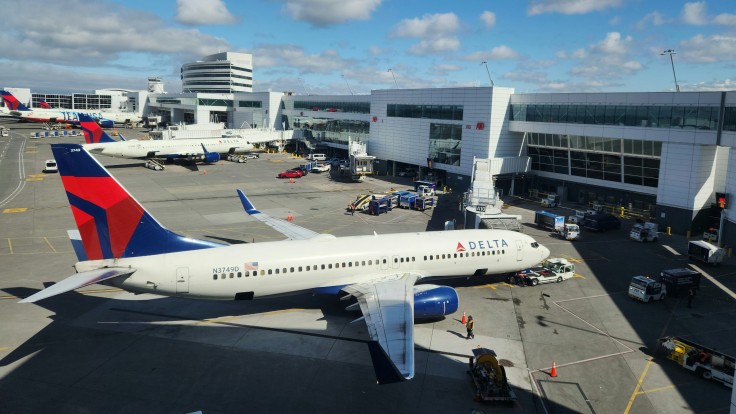
A technical failure at Delta Air Lines disrupted thousands of flights across the US just days before Thanksgiving, leaving passengers facing lengthy delays as the airline struggled to recover from an outage affecting its aircraft weight-calculation system. The disruption hit the carrier's Atlanta hub particularly hard on Sunday, with around 2,000 Delta flights delayed nationwide by the evening.
Although Delta restored the affected automated system several hours after the problem emerged, flight operations remained disrupted throughout the day, adding to concerns about the reliability of airline technology during one of the busiest travel periods of the year.
According to the Associated Press, the problem involved Delta's weight and balance automation system, which helps determine whether an aircraft is carrying a safe amount of weight and whether passengers, luggage, and cargo are distributed appropriately before take-off.
Delta initially said its teams were relying on manual workarounds to get aircraft airborne while engineers worked to restore the automated system. The airline said the procedures allowed flights to depart safely, but the additional work slowed operations and contributed to a growing backlog of delayed services.
Thousands of Flights Caught Up in Disruption
The scale of the disruption became clearer as the day progressed. Flight-tracking website FlightAware reported that approximately 58% of Delta's flights were delayed by Sunday evening, representing around 2,000 services. About 3% of the airline's flights were cancelled.
The problems were particularly severe at Hartsfield-Jackson Atlanta International Airport, where Delta operates most of its flights. FlightAware reported that approximately 58% of departures and 50% of arrivals were delayed.
The disruption also prompted the Federal Aviation Administration to issue an approximately one-hour ground stop for some flights heading into Atlanta on Sunday morning. The measure temporarily prevented affected aircraft from departing for the airport while officials managed the disruption.
The FAA subsequently clarified that the delays were not connected to its air traffic control systems. Instead, the agency said Delta was working to resolve problems with its own weight and balance automation technology.
Why Delta's System Failure Matters
Aircraft weight and balance calculations are essential safety requirements, rather than routine administrative checks. Airlines must establish how much an aircraft weighs and ensure its load is distributed within permitted limits before take-off.
An aircraft carrying excessive weight or an unevenly distributed load can face serious safety risks, including compromised structural integrity. The calculations also help determine appropriate take-off speeds and other flight requirements.
Delta's reliance on manual procedures offered a way to keep services operational, but completing calculations manually takes additional time, making it harder for airlines to maintain their normal departure schedules.
Delta apologised to affected passengers and said it was rebooking customers, arranging meals, and providing hotel accommodation where necessary. The airline also offered refunds to passengers whose flights were cancelled.
Fresh Concerns Over US Airline Disruptions
The incident has added to a difficult stretch for American air travel, following separate technology-related disruptions affecting the country's aviation network.
Earlier in November, a malfunction in the FAA's network triggered a nationwide ground stop lasting more than four hours. The disruption, described as the longest nationwide halt to US air travel in 25 years, forced airlines to cancel and delay thousands of flights as they worked to restore normal operations.
United Airlines also experienced a tech outage days later, forcing it to delay departing flights.
Although the incidents involved different systems and there is no evidence linking them, their timing has raised fresh questions about the vulnerability of increasingly technology-dependent aviation operations.
With Thanksgiving approaching, Delta's latest disruption is an unwelcome setback for travellers hoping to reach family and friends without complications. The airline's automated system has been restored, but the episode demonstrates how a single technical failure can ripple through a nationwide flight network within a short span.
© Copyright IBTimes 2026. All rights reserved.