

Deutsche Bank Reported $582M in Suspicious Epstein Transactions Only After His Death, Leaked Files Reveal
A major leak reveals suspicious Epstein-linked payments, compliance failures, and controversial financial ties

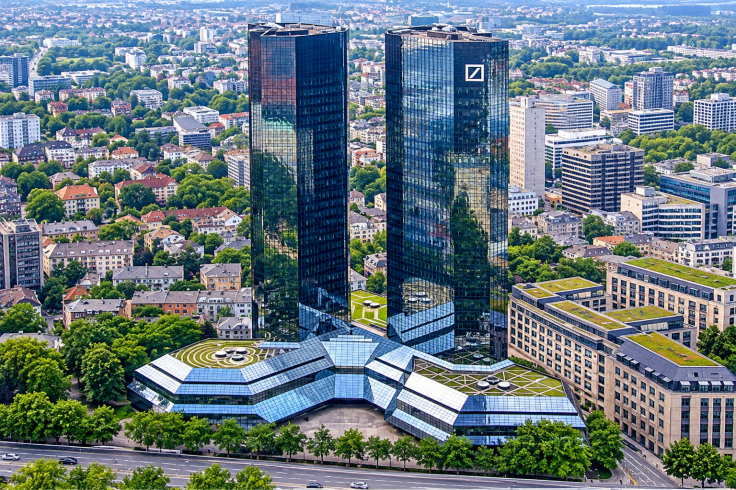
Deutsche Bank flagged approximately $581.9 million in suspicious transactions linked to convicted sex offender Jeffrey Epstein, according to leaked documents examined by an international investigation published on 17 November 2026.
The bank filed 21 suspicious activity reports (SARs) with US authorities in 2019. The filings covered approximately 3,200 transactions, according to the investigation, while an internal document from Deutsche Bank's US Financial Crimes Intelligence Unit identified around 3,000. The transactions amounted to approximately $581.9 million.
That figure is more than double the $250 million in suspicious wire transfers identified by US Senator Ron Wyden in an August 2026 investigation. The difference partly reflects Deutsche Bank's broader review, which included cheques and transactions involving other financial institutions.
Leaked Files Detail Epstein-Linked Transactions
The investigation, Inside Deutsche Bank, involved more than 200 journalists and examined over 15 million leaked files supplied by two whistleblowers to Indian journalist Josy Joseph and South African journalist Khadija Sharife.
An internal document stated that the 21 reports covered transactions between October 2013 and May 2019 involving Epstein or associated companies. Flagged activity included payments to women, shell-company transfers, suspected misuse of charitable donations, and payments from billionaire associates Leon Black and Glenn Dubin.
Bank Kept Epstein as a Client Despite Warnings
Deutsche Bank accepted Epstein as a client in August 2013, five years after his conviction for soliciting sex from a minor and after his relationship with JPMorgan Chase had ended. Senior officials, including the head of anti-financial crime and compliance and Deutsche Bank America's then-general counsel, were involved in approving his accounts. Internal documents raised concerns, but the bank continued providing financial services.
Deutsche Bank told Epstein in December 2018 that it intended to close his accounts. The bank closed his two remaining accounts three days after his arrest in July 2019, according to the leaked records. A subsequent review identified at least 112 high-risk transactions and examined possible links to sexual abuse at Epstein's Zorro Ranch in New Mexico and suspected money laundering through his charity, Gratitude America.
An internal email reportedly described Ghislaine Maxwell as an alleged co-conspirator in Epstein's illegal activities. However, an arrangement involving one of Epstein's trusts, which named her as a beneficiary, nevertheless proceeded.
Deutsche Bank Admits Onboarding Epstein Was an Error
Deutsche Bank acknowledged that accepting Epstein as a client in 2013 was an error. The bank said it had cooperated with regulators, law enforcement agencies, and the US Congress. It also highlighted improvements to its anti-financial crime controls through investment in technology, training, and specialist staff. The lender pointed to stronger controls under chief executive Christian Sewing, alongside record profits in 2025 and recent quarters.
Leaks Reveal Other Deutsche Bank Controversies
The leaked records also revealed that Deutsche Bank accidentally sent tax statements from 1,586 private banking accounts, including Donald Trump's, to an outside accountant in 2017. The recipient alerted the bank and deleted the documents, while executives discussed whether clients should be notified. Sewing, who was then head of private banking, reportedly described the incident as an awful mistake.
A separate examination of the records identified a suspicious 2014 payment to DT Marks Baku LLC, a Trump-owned company in Azerbaijan. Deutsche Bank reportedly could not establish the purpose of the transaction. Other payments were also linked through the investigation's analysis to Russian and Azerbaijani money-laundering networks.
The records further highlighted Deutsche Bank's relationships with Russian oligarchs Oleg Deripaska and Viktor Vekselberg despite internal money-laundering and sanctions warnings. Deutsche Bank shares fell 3.57% to €31.76 on Tuesday, after declining more than 6% earlier in the session. The leaked records do not establish that Trump personally participated in money laundering or other wrongdoing.
© Copyright IBTimes 2026. All rights reserved.